 Thursday, October 08, 2026
 Every child deserves to make mistakes, just like most parents who are always torn between doing
what is right and letting their children spread their wings.
Every child deserves to make mistakes, just like most parents who are always torn between doing
what is right and letting their children spread their wings.




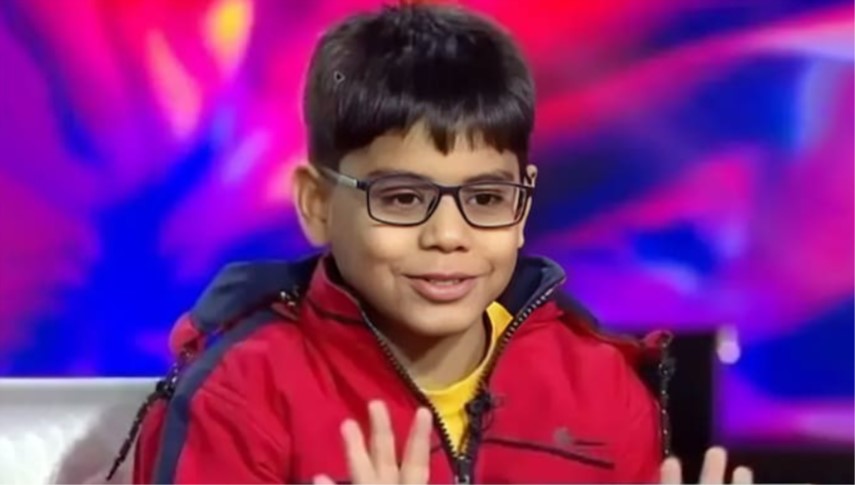
Ten-year-old KBC contestant Ishit Bhatt has become the butt of memes and jokes on social media,
and the reason is his overconfident demeanour. His parents, too, have been dragged into this, with
strangers dissecting their "parenting style" based on a few televised minutes. Is that fair?
Young Ishit Bhatt is all over social media, being criticised for his behaviour with Amitabh Bachchan.
(Photo: X)
When a young Kaun Banega Crorepati contestant from Gujarat recently appeared on the show, like
most contestants, he didn’t walk away with applause and prize money; instead, what he left the
show with was a full-blown social media debate.
The fifth grader’s responses and what viewers perceived as “rudeness” towards Amitabh Bachchan
divided the internet. And from how we function these days, it was a no-brainer that the little one
was mercilessly trolled, and even the parents bore the brunt.
The parents found themselves at the receiving end of online outrage, with strangers dissecting their
“parenting style” based on a few televised minutes.
But is it really fair to hold parents responsible for how their child conducts themselves in public
always?
Why children behave the way they do
“Both temperament and environment shape children’s behaviour,” explains Dr Sushma Gopalan, a
child psychologist with Aster Whitefield Hospital. “Some are naturally bold, impulsive, and
outspoken, while others are shy and cautious. Parenting, social modelling, and emotional coaching
shape how these traits play out in real life.”
In short, personality lays the foundation, but parenting and social exposure build the structure. A
confident child on stage might simply be expressing a natural trait, not necessarily a poor
upbringing.
Why it’s unfair to blame parents for every public slip-up
Parents undeniably play a major role in guiding their child’s behaviour, says Dr Gopalan, “but
expecting them to have complete control is unrealistic and unfair.”
Even the most well-parented child can act out when tired, overstimulated, or anxious. Children, after
all, are still learning how to regulate emotions. “They pick up cues not just from parents, but from
school, peers, media, and the larger environment,” she adds.
So, that moment of attitude or impoliteness we see on screen might have less to do with a parenting
lapse and more to do with how children adapt (or struggle to adapt) in social settings.
When nerves look like overconfidence
Being on national television is nerve-wracking, even for adults. For a child, it’s amplified. “Excitement
or nervousness can easily manifest as arrogance or rudeness,” Dr Gopalan notes.
“Children often perform emotions, not out of bad intentions, but because they’re still learning how
to manage them.”
What might appear as cockiness could, in reality, be a coping mechanism, a way to mask anxiety and
hold on to control in an overwhelming situation.
Decoding the myth of ‘good parenting’ in 10 seconds
Viral clips fuel quick judgments. But as Dr Gopalan points out, “Parenting is a long game filled with
struggles, setbacks, and teachable moments that no one sees.”
We often equate “good parenting” with perfect public behaviour, quiet, obedient, and polite
children, forgetting that real growth happens through mistakes, not immaculate manners.
What the backlash says about us
The kid's behaviour may have raised a lot of questions, but our harsh criticisms also say a lot about
how we are as people.
“Our society still prizes obedience, humility, and ‘performative politeness,’ especially from children,”
says Dr Gopalan. “We often value how they appear in public more than how they feel inside.”
We live in the age of social media, and the footprints are not forgiving sometimes. These moments
can have long-term emotional fallout on the child, and that is not exactly what you thought while
trolling the 10-year-old boy, did you?
“It can hurt the child’s self-esteem and cause distress to the entire family and can have a long-lasting
impact,” the specialist warns.
The takeaway
Every child deserves to make mistakes, just like most parents who are always torn between doing
what is right and letting their children spread their wings.
Turning a few seconds of screen time into a moral verdict only says one thing: maybe it’s not just
children who need lessons in empathy and overconfidence.





.jpeg)








.jpg)
.jpg)
.jpg)
.jpg)
.jpg)
.jpg)


.jpg)
.jpg)
.jpg)