 Saturday, November 28, 2026
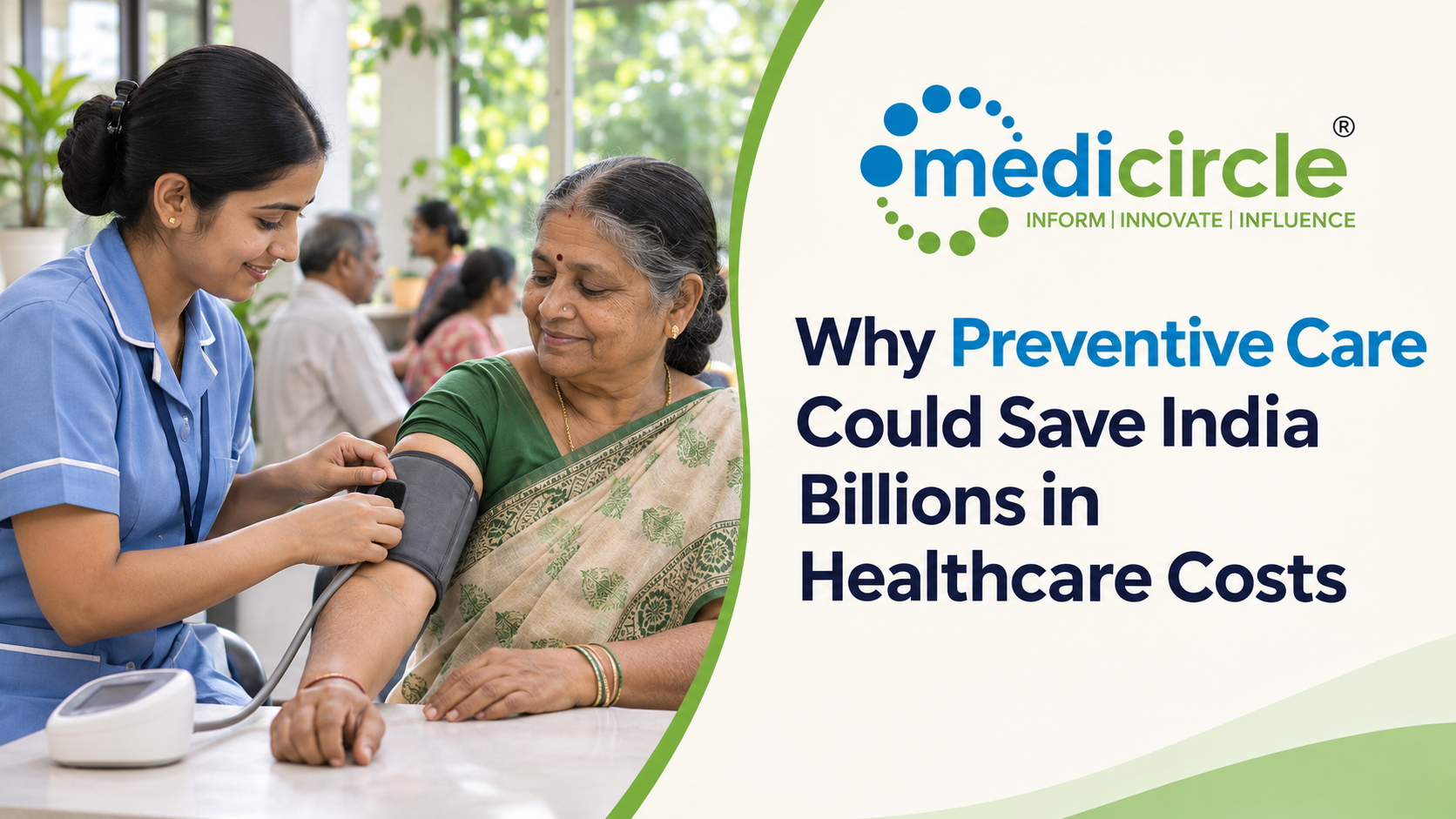
 Preventive care in India can reduce billions in avoidable healthcare spending by addressing the growing burden of non-communicable diseases through early screening, vaccination, lifestyle intervention, and informed policy reform.





Introduction
India stands at a critical crossroads in its healthcare journey. On one side is the mounting burden of disease, rising hospital costs, and a population increasingly vulnerable to both communicable and non-communicable conditions. On the other is a powerful, often underutilized solution: preventive care.
The concept of prevention is not new to Indian tradition. Ayurveda, one of the world's oldest medical systems, was built on the principle that maintaining health is superior to treating disease. Yet modern India spends a disproportionate share of its healthcare resources on curative treatment while preventive interventions remain inadequately funded, poorly accessed, and undervalued by the general population.
This imbalance has enormous financial consequences. Healthcare-related out-of-pocket expenses push nearly 55 million Indians into poverty every single year, according to data from the World Health Organization. Hospitalization costs for preventable conditions represent a significant portion of this burden. A systemic shift toward prevention, backed by policy, technology, and public awareness, has the potential to save India not just lives but hundreds of billions of rupees in avoidable medical expenditure.
Medicircle, as a platform committed to meaningful healthcare communication, recognizes that this conversation must reach doctors, patients, healthcare brands, and policymakers alike. Understanding why preventive care matters is the first step toward making it a national priority.
Understanding the Scope of Preventable Disease in India
Before quantifying the financial savings preventive care could generate, it is essential to understand what India is actually dealing with in terms of preventable disease burden.
Non-communicable diseases (NCDs) such as diabetes, cardiovascular conditions, hypertension, chronic respiratory diseases, and cancer now account for approximately 66 percent of all deaths in India, according to the Indian Council of Medical Research (ICMR). What makes this figure particularly alarming is that a large proportion of these deaths are preventable or at least delayable through early detection, lifestyle intervention, and consistent disease management.
India is already home to the largest diabetic population in the world, with over 101 million people living with the condition, as reported by the ICMR-INDIAB study. Hypertension affects nearly 300 million Indians. Cardiovascular disease is the leading cause of mortality. These are not incidental trends. They reflect decades of poor dietary habits, rising sedentary lifestyles, environmental pollution, tobacco use, and inadequate preventive health infrastructure.
Communicable diseases, though declining in proportion, also continue to impose a significant burden. Tuberculosis, for instance, still claims hundreds of thousands of lives in India annually, despite being a preventable and treatable condition. Vaccine-preventable diseases continue to cause needless deaths among children in lower-income and rural communities.
The economic weight of this disease burden is staggering. Treatment costs for advanced-stage cancers, end-stage renal disease, cardiovascular surgeries, and long-term diabetes complications run into hundreds of thousands of rupees per patient. When multiplied across millions of affected individuals, the aggregate economic loss to India in medical spending, lost productivity, and caregiver burden reaches into the trillions.
The Financial Case for Prevention: Where the Savings Lie
The economics of preventive care are well-established globally and are increasingly relevant to India's healthcare planning conversations.
Preventive care operates on a simple but powerful principle: catching a disease early, or preventing it entirely, costs significantly less than treating it at an advanced stage. A blood pressure screening that costs a few hundred rupees can prevent a stroke that costs hundreds of thousands in intensive care and rehabilitation. A cervical cancer vaccine administered to adolescent girls costs a fraction of the surgical and chemotherapy costs associated with late-stage cervical cancer treatment.
NITI Aayog and several independent health economists have highlighted that India's current expenditure model is heavily tilted toward secondary and tertiary care. Public spending on primary healthcare, which is where most preventive interventions are delivered, remains insufficient. India spends approximately 3.3 percent of its GDP on health, still below the recommended 5 percent, with preventive and promotive services receiving only a fraction of that budget.
Studies published in peer-reviewed journals and cited by global health bodies suggest that every dollar invested in preventive health interventions yields returns of three to six dollars in reduced treatment costs and improved productivity. Applied to India's scale, even modest improvements in preventive care coverage across states could translate into savings worth tens of thousands of crore rupees annually.
Workplace productivity is another dimension worth emphasizing. Preventable chronic illness reduces workforce participation, lowers output, and increases absenteeism. Industries across India lose significant revenue each year to employee health conditions that could have been managed or avoided through early intervention and regular monitoring.
Key Preventive Interventions That Can Drive Savings
A realistic preventive care strategy for India must be both evidence-based and contextually grounded. Several high-impact interventions deserve particular attention.
Early screening programs for diabetes, hypertension, and common cancers (breast, cervical, oral) represent the most cost-effective entry points. These screenings are inexpensive to perform, especially when integrated into existing primary health centre (PHC) networks. Early-stage treatment outcomes are significantly better and far less expensive.
Vaccination and immunization programs have already demonstrated their economic value in India. The Universal Immunisation Programme (UIP) has successfully reduced the burden of several childhood diseases. Expanding coverage, especially in rural and tribal areas, and introducing newer vaccines for conditions such as human papillomavirus (HPV) and pneumococcal disease, can yield enormous long-term savings.
Lifestyle intervention programs targeting tobacco cessation, physical activity, and nutrition education have strong evidence behind them. India's epidemic of metabolic disorders is in large part a lifestyle epidemic. School-based, workplace-based, and community-based programs that promote healthier habits can begin shifting population-level health trajectories within a generation.
Mental health prevention is an emerging and critically underaddressed area. Untreated mental health conditions increase the risk of physical illness, reduce treatment adherence, and diminish quality of life and productivity. Early mental health screening and accessible psychological support services can prevent significant downstream costs.
Digital health tools and telemedicine are increasingly enabling preventive care at scale in India. Through the Ayushman Bharat Digital Mission (ABDM), every citizen is being assigned a unique health ID and given access to digital health records. This infrastructure can support proactive health monitoring, medication adherence reminders, and AI-driven early risk identification.
Barriers to Preventive Care Adoption in India
Despite the compelling logic and evidence, preventive care remains underutilized across much of India. Understanding the barriers is essential to addressing them.
Low health literacy is perhaps the most pervasive challenge. A significant proportion of India's population, particularly in rural and semi-urban areas, does not understand the value of visiting a doctor before symptoms appear. The cultural norm remains treatment-seeking, not prevention-seeking.
Financial barriers are also real. While many preventive services are free under government programs such as the National Health Mission and Ayushman Bharat, awareness of these entitlements remains low. Many families continue to pay out-of-pocket for screenings and vaccinations they could access at no cost through public facilities.
Infrastructure gaps compound the problem. Rural primary health centres are often understaffed, underequipped, and inaccessible by reliable transport. Specialist services needed for follow-up after abnormal screening results are not available in most Tier 2 and Tier 3 cities, let alone in villages.
There is also a systemic misalignment of incentives within the healthcare ecosystem. Hospitals and specialists generate revenue primarily from curative services. Prevention, by its nature, reduces the volume of illness requiring treatment, which creates financial disincentives for private sector actors to invest heavily in it.
The Role of Policy in Scaling Preventive Care
A meaningful shift toward preventive care in India will require deliberate, sustained policy action at the central and state level.
The National Health Policy of 2017 articulated a vision of increasing the share of government spending on primary and preventive care. Progress has been made, but implementation remains uneven across states. States such as Kerala and Tamil Nadu, which have consistently invested in public health infrastructure and preventive programs, demonstrate measurable differences in health outcomes and healthcare cost profiles compared to high-burden states.
Integrating preventive care mandates into the Ayushman Bharat scheme could significantly expand coverage. Currently, the scheme primarily covers hospitalization costs. Including structured preventive health checkups and wellness visits within its benefit package would shift behavior at the population level and reduce downstream hospitalizations.
Corporate health policies also have a critical role to play. Mandatory health insurance for formal sector employees already exists, but wellness incentives, preventive checkup coverage, and early intervention support within employer-sponsored health programs remain uncommon. Progressive HR and corporate health policies that reward prevention can influence a significant segment of India's urban working population.
Preventive Care as a Cultural and Economic Imperative
Prevention is not simply a medical strategy. It is a cultural shift that India must embrace at every level of society, from individual households to national policy design.
The financial case is clear and quantifiable. A country that invests adequately in preventing disease will spend less treating it, lose fewer productive years to illness, and build a healthier, more economically active population. The human case is equally compelling. Millions of Indians who currently lose years of life, quality of life, or financial stability to preventable disease deserve a healthcare system that acts before the crisis arrives.
Healthcare platforms, medical professionals, hospitals, and digital health companies all have a role to play in driving this awareness. Sharing credible information, reducing stigma around routine health checkups, and making preventive services more visible and accessible are contributions that every stakeholder in India's healthcare ecosystem can and must make.
Medicircle is committed to supporting this shift by providing trusted, expert-led healthcare content that empowers both patients and professionals to make informed decisions about health before illness demands it.
Frequently Asked Questions
Q1: What is preventive healthcare in India?
Preventive healthcare in India refers to proactive health measures such as regular screenings, vaccinations, lifestyle modifications, and early diagnosis that reduce the risk of disease onset and progression. It aims to maintain health rather than simply respond to illness after it occurs.
Q2: How much can preventive care save India in healthcare costs?
Scaling preventive care interventions across India could reduce catastrophic health expenditures by hundreds of billions of rupees annually. The savings come primarily from reduced hospitalizations, lower treatment costs for early-stage versus late-stage disease, and improved workforce productivity.
Q3: What government schemes support preventive healthcare in India?
Ayushman Bharat, the National Health Mission, the Universal Immunisation Programme, and the Ayushman Bharat Digital Mission (ABDM) are among the major government initiatives supporting preventive and primary healthcare in India. Many of these programs offer free preventive services to eligible populations.
Q4: What are the main challenges to preventive care adoption in India?
Key challenges include low health literacy, inadequate rural healthcare infrastructure, financial barriers, cultural hesitancy toward regular checkups, and limited public awareness about available early screening programs through government facilities.
Q5: How can individuals contribute to preventive healthcare in India?
Individuals can contribute by scheduling annual health checkups, maintaining a balanced and nutritious diet, engaging in regular physical activity, avoiding tobacco and excessive alcohol consumption, staying current with recommended vaccinations, and monitoring key health indicators such as blood pressure and blood sugar regularly.
Resources
- Indian Council of Medical Research (ICMR): Guidelines, research publications, and India-specific disease burden data including the ICMR-INDIAB national diabetes study.
- World Health Organization (WHO) India Country Office: Reports on out-of-pocket health expenditure, NCD burden, and preventive care policy recommendations for India.
- Ministry of Health and Family Welfare (MoHFW): Official information on the National Health Mission, Universal Immunisation Programme, and national health policies.
- NITI Aayog Health Reports: Analytical reports on India's health financing, public spending on primary care, and policy recommendations for preventive health infrastructure.
- Ayushman Bharat Digital Mission (ABDM): Official resource for understanding India's digital health ecosystem, health ID, and digital preventive health tools.
Interlinking Keywords
Preventive healthcare India, non-communicable diseases India, Ayushman Bharat scheme, early disease screening India, out-of-pocket health expenditure India, diabetes burden India, National Health Mission, ABDM digital health, primary healthcare India, health checkup importance India
Last reviewed by:
Dr. Manthan Tripathi, Medicircle Editorial and Medical Advisory Team on 27, November 2026.
Disclaimer
This article is intended for general health awareness and informational purposes only. It does not constitute medical advice, diagnosis, or treatment. Readers are advised to consult a qualified and registered medical professional before making any decisions related to their health, medications, or treatment plans. Medicircle does not endorse any specific products, services, or treatments mentioned in this article. Always rely on the guidance of your treating physician for personalized medical advice.





-23-300x250.png)