Tuesday, October 27, 2026
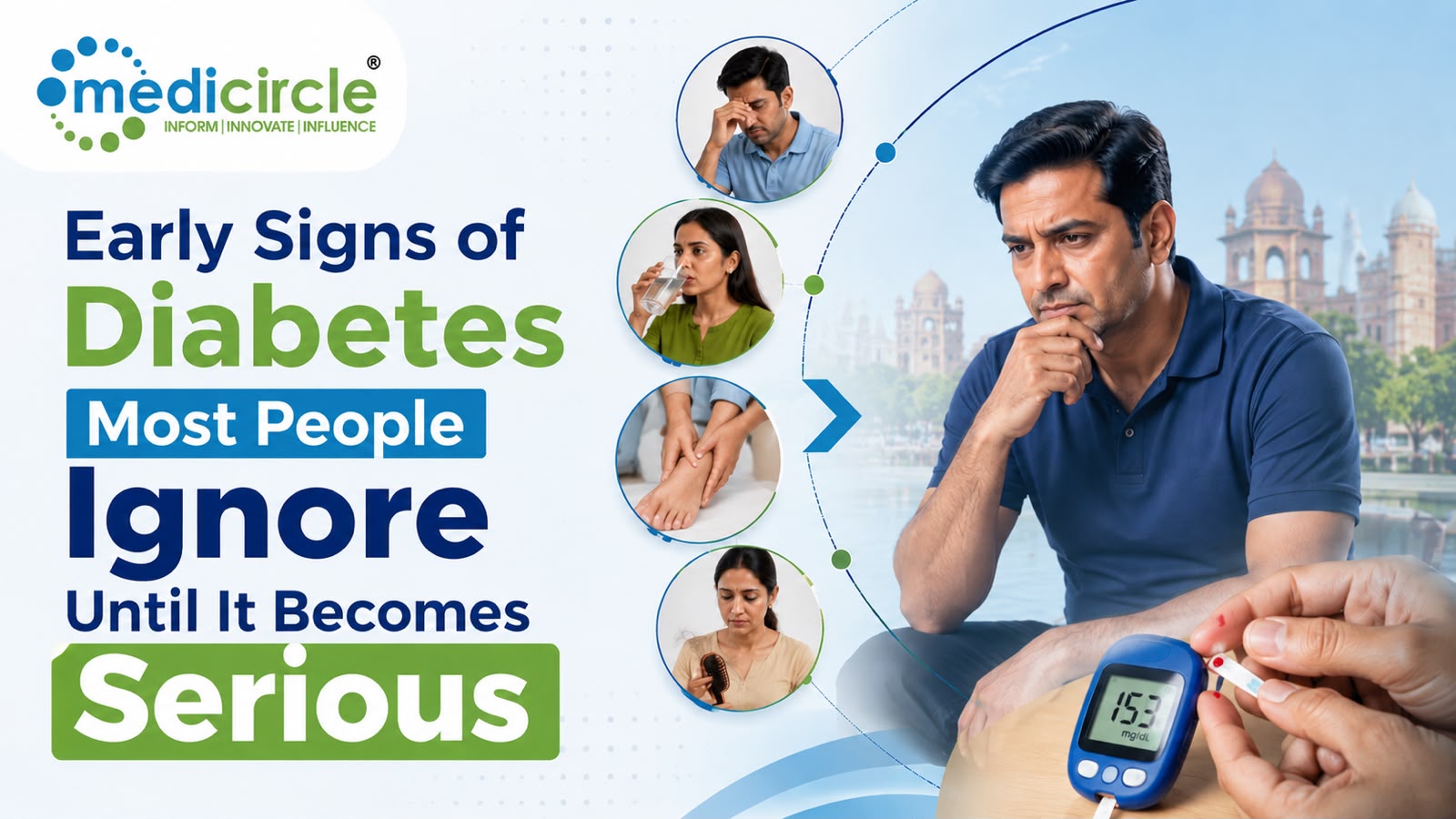
 Recognizing the early signs of diabetes most people ignore until it becomes serious allows you to take control of your health and seek professional guidance before real damage occurs.





Early Signs of Diabetes Most People Ignore Until It Becomes Serious
India is currently facing a massive, quiet health crisis. Diabetes has woven itself into the fabric of daily life, earning a reputation as a stealthy condition that can develop for years without a single dramatic warning. Because its onset is incredibly gradual, a large percentage of people mistake the initial red flags for normal responses to a demanding lifestyle, age, or daily stress. Unfortunately, brushing off these minor changes gives the condition room to advance, which drastically increases the risk of severe, long-term health issues down the line.
Tuning in to the subtle signals your body sends is the most effective way to protect your long-term well-being. Recognizing the early signs of diabetes most people ignore until it becomes serious allows you to take control of your health and seek professional guidance before real damage occurs. Relying on accurate medical insights, tracking diabetes early symptoms, and keeping up with regular health updates is a simple, proactive step toward a healthier future.
Understanding your personal risk factors is critical when monitoring your metabolic health. A type 2 diabetes diagnosis often follows years of unmanaged metabolic decline, which makes early detection paramount. Many individuals across the country remain completely unaware that their body is struggling to manage blood sugar efficiently. By learning to identify the subtle shifts in your daily wellness, you can prevent minor metabolic fluctuations from escalating into chronic health issues.
Why Symptoms Are Missed
Type 2 diabetes rarely makes a grand entrance. Unlike a sudden flu or an injury that forces you to pause, blood sugar levels creep upward over an extended period. Because this change is gradual, the body continuously adapts to higher levels of glucose in the bloodstream, effectively masking the distress signals that should otherwise prompt a doctor visit. Many patients do not realize that these quiet alterations represent the actual first signs of diabetes.
In India, fast-paced routines and diverse regional climates make it incredibly easy to misread these signs. It is easy to blame constant fatigue on a long office commute, or to assume an intense thirst is just a natural reaction to a hot summer day. As a result, millions of people continue their daily lives with elevated blood sugar, completely unaware that their metabolism is struggling. Identifying a reliable symptom of diabetes requires looking closely at persistent lifestyle shifts rather than assuming your daily fatigue is just a normal consequence of modern life. Staying informed through trusted medical reporting helps put these everyday physical changes into a clearer, healthier perspective.
Fatigue and Low Energy
Cellular Fuel Starvation
Experiencing a deep, unyielding exhaustion is one of the most frequent indicators of a metabolic shift, yet it is almost always dismissed as simple tiredness. When your body develops insulin resistance or struggles to produce enough insulin, it loses the ability to convert the food you eat into cellular energy. Even if you are eating hearty, regular meals, the vital nutrients remain locked in your bloodstream instead of fueling your cells.
This lack of cellular fuel leaves you feeling perpetually drained, no matter how much sleep or rest you get. Many people attempt to push through this sluggishness by drinking extra tea or coffee, or by eating sugary snacks, which unfortunately triggers a harsher cycle of blood sugar spikes. If standard rest and lifestyle adjustments fail to bring back your usual stamina, checking a routine diabetes symptoms list and organizing a clinical evaluation is a smart next step.
Chronic Metabolic Exhaustion
This persistent lack of physical vitality can significantly impact your professional performance and daily quality of life. When your muscles and vital organs do not receive steady energy, even minor physical tasks feel incredibly overwhelming. Many adults ignore this warning sign for months, attributing the lack of focus to workplace burnout or emotional stress.
Overlooking chronic metabolic exhaustion gives the underlying blood sugar imbalance more time to destabilize your system. If your body does not respond to improved rest, healthier sleep habits, or better nutrition, your energy systems require a closer clinical look. Booking a basic blood panel can immediately clarify whether your persistent exhaustion stems from a standard stressful week or a deeper metabolic issue.
Frequent Urination and Thirst
Increased Kidney Filtration
The human body is highly efficient at cleaning its internal systems. When glucose levels cross a certain safety limit in your blood, your kidneys have to work overtime to filter out the excess sugar and flush it away. To do this, the kidneys pull significant amounts of moisture directly from your bodily tissues. This biochemical process is one of the foundational reasons why frequent urination appears as a classic type 2 diabetes symptom.
This process leads to a noticeable increase in restroom trips, especially during the middle of the night. Because your body is constantly losing fluids, it triggers a deep, protective dehydration that leaves you feeling an unquenchable thirst. This specific pairing of physical changes is an important component of diabetes mellitus symptoms that require immediate medical attention.
Dehydration and Liquid Intake
Drinking water is vital, but without addressing the underlying blood sugar, it simply keeps the cycle of frequent urination going. Many individuals attempt to quench this persistent thirst by consuming sweetened juices, carbonated beverages, or traditional sodas, which dramatically accelerates the rise in blood glucose levels.
Paying attention to these sudden changes in your hydration patterns can keep a manageable issue from turning into a severe medical emergency. If you find yourself waking up multiple times each night specifically to drink water and use the restroom, your body is clearing excess glucose. Noticing this pattern early allows you to seek a formal screening before dehydration causes deeper physical strain.
Sudden Changes in Weight
Rapid Muscle Breakdown
Losing a noticeable amount of weight without changing your diet or starting a new workout plan is a clear sign that your body is trying to communicate an issue. When your cells cannot access glucose due to insulin issues, your body mistakenly believes it is starving. To keep your vital organs running, it begins rapidly breaking down its own fat and muscle tissue to generate alternative energy.
This rapid, unintentional weight loss can occur even if your appetite has increased significantly. Because the calories you consume are excreted through urination rather than absorbed by your muscle cells, your body remains in a persistent state of nutrient depletion. If you notice your clothing fitting looser despite eating regular or larger meals, checking your fasting blood glucose levels is highly recommended.
Abdominal Weight Gain
On the other hand, some individuals notice an unexpected weight gain or find it incredibly frustrating to lose weight, particularly around the midsection. This occurs because chronically high insulin levels can signal the body to store fat much more aggressively.
Keeping an eye on these unexpected shifts through regular health assessments can help you catch metabolic changes before they progress. Tracking weight changes alongside your family medical history can reveal whether your changing body composition is linked to insulin resistance. Proactive screening ensures you can adjust your daily wellness strategy before your metabolic health declines further.
Blurred Vision and Changes
Fluid Shifts in Lenses
High blood sugar does not just impact your internal energy; it changes the fluid balance throughout your entire body, including your eyes. When glucose levels remain high, moisture can be drawn right out of the lenses of your eyes. This alters their shape and temporarily reduces their ability to focus properly, causing episodes of blurry vision that seem to come and go.
This fluctuating vision can make reading, driving, or working on digital screens highly inconsistent throughout the day. Many adults naturally assume that a decline in vision is just a standard part of getting older and simply reach for a stronger pair of reading glasses, rather than looking into the root metabolic cause.
Retinal Blood Vessel Strain
If these elevated sugar levels are left unchecked over months or years, the tiny blood vessels that nourish the retina can suffer lasting damage, which increases the risk of permanent vision loss. This advanced complication emphasizes why tracking the signs of type 2 diabetes early is so critical for long-term physical health.
Protecting your eyes involves recognizing that visual changes are not always isolated to ocular health. When temporary blurriness correlates with high-carbohydrate meals or periods of intense fatigue, it often signals an underlying blood sugar spike. Addressing these variations early protects your delicate retinal blood vessels from irreversible environmental strain.
Slow Healing and Infections
Compromised Vascular Circulation
An excess of sugar in your bloodstream creates a major roadblock for your body natural healing and defense mechanisms. High glucose can cause blood vessels to stiffen, which slows down overall circulation and prevents fresh oxygen and essential nutrients from reaching minor wounds. Because of this, a simple scratch, small cut, or insect bite that should vanish in a few days can end up lingering for weeks.
This delayed recovery happens because the immune cells responsible for repairing tissue damage cannot travel efficiently through compromised blood vessels. When minor skin blemishes or small cuts become inflamed or take an unusually long time to close, it reflects an altered internal healing environment that requires careful medical review.
Microbial Breeding Grounds
Additionally, a high-sugar environment provides the perfect fuel for bacteria and fungi to thrive. People with undiagnosed diabetes often find themselves dealing with frequent skin infections, urinary tract issues, or oral problems like swollen, bleeding gums.
Tracking how quickly your body recovers from minor cuts is a practical way to keep tabs on your systemic health. If simple scratches routinely turn into lingering sores, scheduling a blood sugar panel can help determine if an elevated glucose level is feeding these recurrent microbial infections.
Tingling or Numbness
Peripheral Nerve Stress
Over time, prolonged exposure to high blood sugar levels can damage the nervous system, specifically the delicate peripheral nerves that run down to your feet and hands. This condition, known medically as diabetic neuropathy, usually starts with mild sensory changes that are incredibly easy to ignore.
You might first notice a faint tingling sensation, a feeling similar to pins and needles, or a slight numbness in your toes or fingers. If left unmanaged, this mild discomfort can eventually turn into a burning pain or a total loss of sensation, making it dangerous because you might not notice a minor foot injury. Seeking medical testing at the very first sign of nerve tingling is key to preventing advanced complications.
Protecting Extremity Health
Ignoring these subtle sensory alterations can lead to a complete loss of protective sensation in your extremities. When you cannot feel a small pebble in your shoe or a minor blister on your foot, a small injury can quickly escalate into a deep, slow-healing ulcer due to poor circulation.
Prioritizing a comprehensive medical checkup when you notice unexpected numbness helps protect your nervous system from long-term damage. Early diagnostic tests can determine if your nerve fibers are experiencing metabolic stress, allowing you to implement vital lifestyle changes before structural nerve damage occurs.
Frequently Asked Questions
What is the difference between Type 1 and Type 2 diabetes symptoms?
Type 1 diabetes symptoms generally appear quite rapidly, often over a few weeks, and can be quite intense because the body completely stops producing insulin. Type 2 diabetes develops very slowly over several years, with subtle symptoms that are easy to overlook until broader health complications arise.
Can lifestyle modifications reverse early-stage diabetes?
Yes. If you catch the issue early during the prediabetes stage, making consistent lifestyle adjustments, such as eating a balanced, whole-food diet, staying physically active, and maintaining a healthy weight, can naturally lower blood sugar levels back to normal and stop the progression to type 2 diabetes.
How often should an average adult test their blood sugar levels?
Adults over the age of 30, or anyone with a family history of diabetes, a sedentary lifestyle, or high blood pressure, should consider getting a fasting blood sugar or HbA1c test at least once a year as part of their routine preventive care.
Choices for the Future
Leaving the early signs of metabolic stress unaddressed gives diabetes the perfect opportunity to quietly impact your blood vessels, nerves, and organs. Paying close attention to these subtle bodily warnings is your absolute best defense. Instead of waiting for a minor physical change to turn into a chronic condition, taking a proactive, preventive approach to your wellness can change everything.
By staying connected with trusted health platforms and utilizing modern diagnostic tools, you can easily keep up with expert recommendations and simple preventive habits. Listening to your body and reaching out for medical advice when things feel slightly off makes managing blood sugar entirely achievable, ensuring you live a vibrant, healthy, and fulfilling life.





-23-300x250.png)

.jpeg)






.jpg)
.jpg)
.jpg)
.jpg)
.jpg)
.jpg)
.jpg)
.jpg)
.jpg)