Tuesday, October 06, 2026
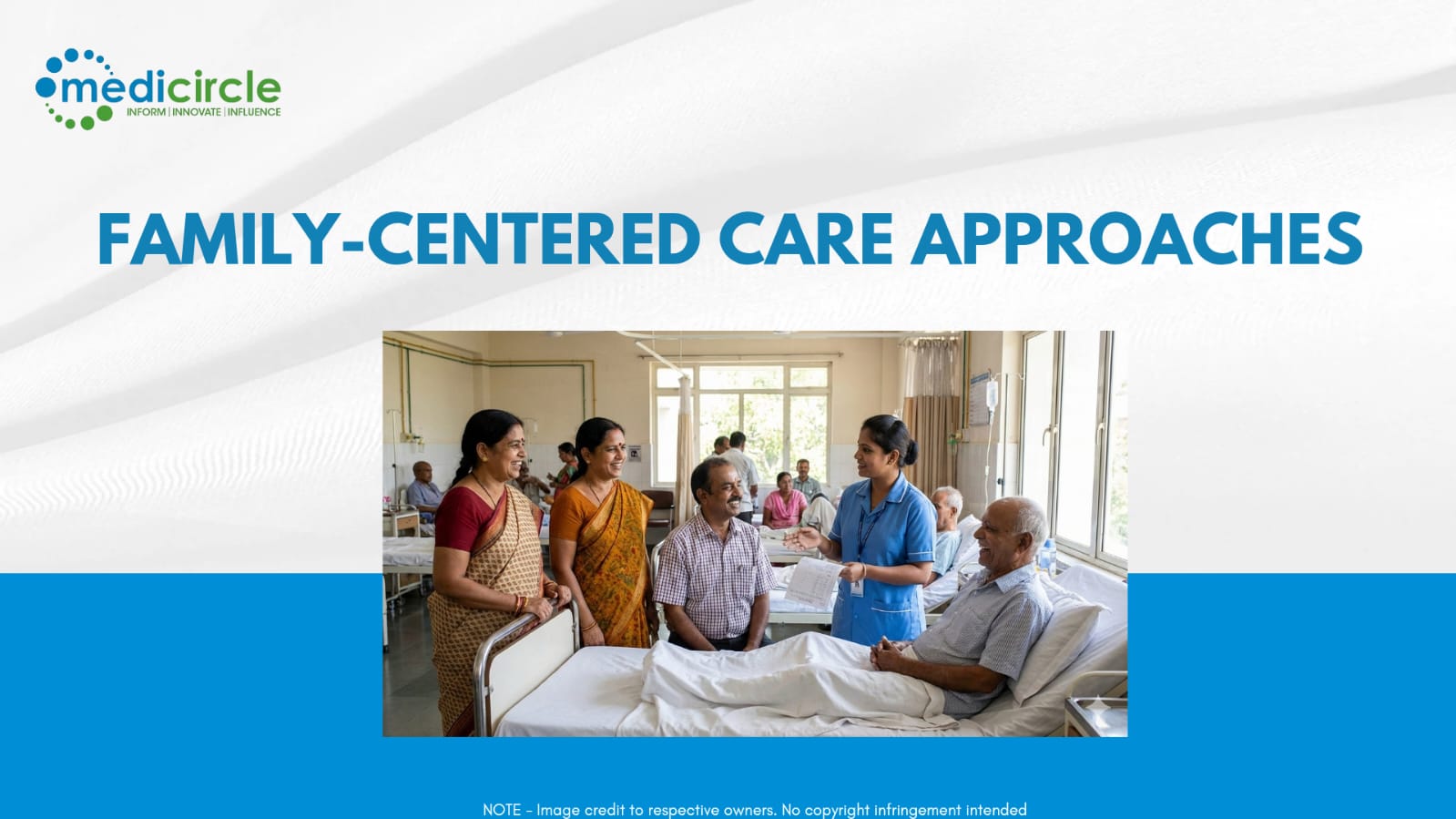
 Family-centered care transforms Indian healthcare by integrating loved ones into the medical team. This collaborative approach improves recovery, reduces hospital stays, and ensures culturally sensitive, compassionate, and effective treatment.




In the traditional halls of Indian hospitals, the sentiment that a doctor is comparable to a deity has long dictated the flow of treatment. Historically, the medical system operated on a top-down approach where the physician made the decisions while the patient followed them and the family waited anxiously behind a closed door. However, a quiet revolution is currently taking place across the country. We are moving toward a model known as Family-Centered Care. This is an approach that recognizes a simple truth: patients recover better when their loved ones are an active part of the medical team.
This shift is not just about being kind or polite. It is an evidence-based strategy that sees the patient as part of a larger social ecosystem rather than an isolated clinical case. By integrating the family into the healing journey, we are seeing shorter hospital stays and fewer complications. This results in a much more humane experience for every person involved in the process.
Transitioning to Partners:
The first step in this transformation is changing how hospitals view the people in the waiting room. For many years, family members were seen as visitors who needed to be managed or timed. They were often kept at a distance to keep the environment sterile and quiet.
Family-centered care completely flips this script. It views the family as an essential resource for recovery. A spouse or a child knows the daily habits, subtle mood shifts, and dietary preferences of a patient better than anyone else. When medical teams treat family members as partners, they gain access to a wealth of information. This leads to more accurate diagnoses and tailored recovery plans. In India, where the family is the primary support system, this is a cultural necessity.
Pillars of Collaboration:
To make this model work effectively, healthcare providers generally focus on four key areas:
- Dignity and Respect: Every family has its own unique set of values and traditions. Whether it is a specific dietary requirement or a religious practice, a family-centered approach ensures that the medical plan fits the life of the person. This is better than forcing the person to fit into a rigid hospital mold.
- Transparent Communication: Information should not be whispered in corridors or kept secret. True Family-Centered Care involves sharing clinical updates in plain and everyday language. When a family understands the reasoning behind a treatment, their anxiety drops and their ability to help increases.
- Active Participation: This encourages families to take part in daily care routines. This might be as simple as helping with a meal or as vital as learning how to dress a wound under the supervision of a nurse.
- Unified Collaboration: This is the point where policy meets practice. It involves including family perspectives when designing hospital workflows. It also means involving them when making high-level decisions about the long-term care of a patient.
Presence as Medicine:
We often think of emotional support as a luxury, but in medicine, it is a functional tool. Consider a child in a pediatric ward. When a parent is allowed to stay overnight, the stress levels and cortisol levels of the child drop significantly. This physiological calm allows the body to focus its energy on healing rather than on fear.
The same principle applies to the elderly population. For a senior citizen dealing with the confusion of a major surgery, the presence of a familiar face can prevent hospital delirium. It ensures that discharge instructions are actually understood and followed properly. When a family member participates in sessions where they explain the medication schedule back to the doctor, the chances of a mistake happening at home are drastically reduced.
Navigating Systemic Challenges:
Implementing this in a country as populous as India is not without its hurdles. In high-volume government hospitals or crowded urban clinics, doctors are often stretched thin. There is a common fear that having too many people in the room will lead to chaos or more work for the staff.
However, the reality often proves to be the opposite. While it takes a few extra minutes to explain a procedure to a family today, it saves many hours of troubleshooting tomorrow. A well-informed family is less likely to panic over minor symptoms. They are more likely to spot a genuine red flag before it becomes a crisis. They act as a constant monitoring system that no machine can fully replace.
Humanizing Modern Medicine:
As we lean more into digital health and AI-driven diagnostics, there is a risk of healthcare becoming cold and transactional. Family-centered care acts as the necessary counterbalance to this trend. It ensures that while we use the best technology available, we do not lose the human touch.
Healing is a psychological journey just as much as a biological one. By creating welcoming environments with open visiting hours and comfortable spaces for caregivers, hospitals stop being scary places. They start being extensions of the support system found at home.
A Shared Journey:
The future of Indian healthcare lies in this partnership. When we empower families, we give patients a sense of agency and security that medicine alone cannot provide. It transforms the medical experience into a journey that a family takes together.
Ultimately, family-centered care reminds us that wellness is a collective effort. When the medical team and the family stand side by side, the patient is never alone. That is perhaps the most powerful medicine of all.






.jpeg)




.jpg)
.jpg)
.jpg)
.jpg)
.jpg)
.jpg)


.jpg)
.jpg)
.jpg)
.jpg)
.jpg)
.jpg)