 Thursday, October 08, 2026
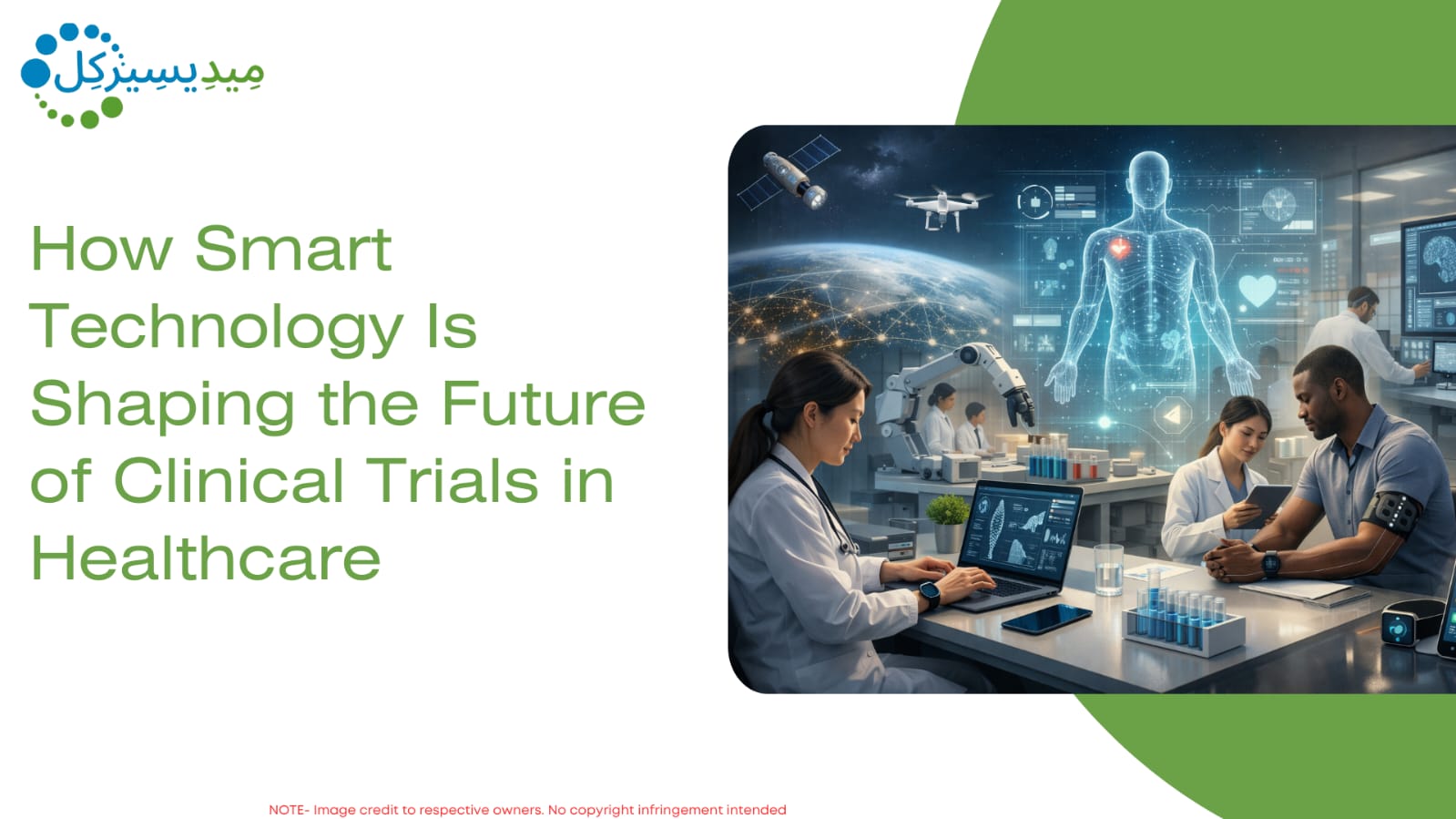
 Clinical trials are the foundation of medical progress — they determine whether new medicines, vaccines, and treatments are safe and effective for patients worldwide. As healthcare becomes more data-driven, technology is transforming how clinical trials are conducted, designed, and delivered. Predictions for 2026 suggest that digital tools, artificial intelligence (AI), and advanced data systems will move from supportive roles into core infrastructure for clinical development — improving speed, patient access, and reliability of results.




Why Clinical Trials Matter in Healthcare
Clinical trials are rigorous investigations that help scientists and regulators determine whether a new therapy works and is safe. Traditional clinical trials often have challenges that slow research:
- Limited participant diversity
- High administrative and operational costs
- Complex logistics across multiple sites
- Data variability and delays in analysis
These challenges can delay access to important therapies and increase costs for healthcare systems and patients.
Technology as an Enabler in Clinical Research
By 2026, technology is expected to play a central role in redesigning clinical trials to be faster, smarter, and more inclusive. Several key trends are changing the landscape:
- Digital Patient Recruitment and Engagement
Recruiting participants is one of the biggest bottlenecks in clinical research. With digital platforms and mobile apps, researchers can find and connect with eligible patients across geographies, making trials more accessible to under-represented communities. - Remote Monitoring and Wearable Devices
Wearable sensors, smartphones, and remote health platforms collect real-time data from trial participants. This means less need for frequent hospital visits, more accurate tracking of health outcomes, and better patient experience. - AI-Driven Data Analysis
Artificial intelligence can sift through large datasets faster than humans, identifying patterns and insights that improve trial design, predict outcomes, and detect safety signals sooner. This can shorten development cycles and improve decision-making. - Integrated Data Ecosystems
Trials increasingly rely on seamless sharing of electronic health records, lab data, and imaging — all linked through secure digital infrastructure. This accelerates data collection and enhances data quality.
What This Means for Patients and Providers
Technology-enhanced clinical trials make participation easier and outcomes more reliable:
- Greater accessibility for patients in remote or underserved areas
- Improved safety monitoring through continuous remote data
- More inclusive results that better reflect diverse populations
- Faster development timelines for life-saving treatments
For healthcare providers and systems, this translates into earlier access to innovative therapies, better evidence for decision-making, and more efficient use of clinical resources.
Why This Matters for Healthcare Innovation
Clinical trials shape the future of healthcare — from cancer therapies to vaccines and new digital treatments. As AI, decentralised research tools, and data-driven platforms become standard, the speed and quality of medical innovation will improve. This benefits patients, providers, payers, and entire health systems — advancing not just new treatments, but more personalised, equitable, and cost-effective care delivery.
Conclusion
Technology is not just supporting clinical research — it is redefining it. By 2026, digital tools, AI, and integrated data systems will form the backbone of modern clinical trials, improving efficiency, patient access, and scientific insight. For healthcare systems aiming to innovate responsibly and sustainably, embracing these technological shifts will be essential to delivering better outcomes for patients everywhere.






.jpeg)








.jpg)
.jpg)
.jpg)
.jpg)
.jpg)
.jpg)


.jpg)
.jpg)
.jpg)