Tuesday, October 27, 2026
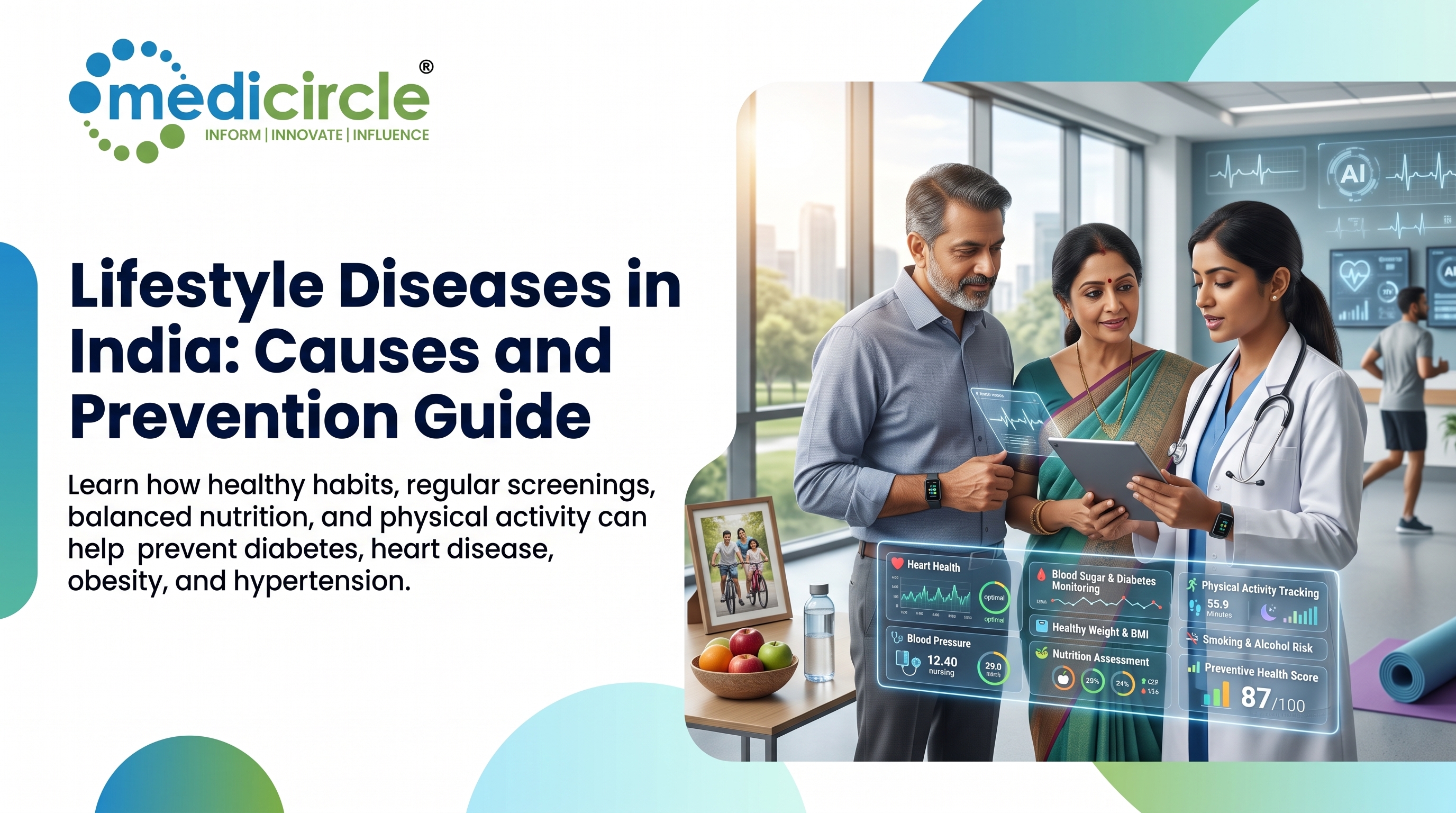
 Lifestyle diseases such as diabetes, hypertension, and heart disease are rising sharply across India, driven by diet, inactivity, and stress. Early screening and sustained lifestyle changes remain the most effective prevention.





Introduction
India is undergoing one of the fastest health transitions in the world. Diseases that were once associated with wealthier, older populations in the West are now the leading cause of illness and death across Indian cities, towns, and increasingly, villages. Non-communicable diseases, commonly known as lifestyle diseases, now account for nearly two-thirds of all deaths in the country, a figure that has climbed steadily from under 40 percent just three decades ago.
This shift has not happened by accident. It reflects real changes in how Indians eat, move, work, sleep, and manage stress. Diabetes, hypertension, heart disease, obesity, chronic respiratory conditions, and several forms of cancer are no longer distant medical concerns. They are present in nearly every extended family, often diagnosed earlier in life than previous generations experienced. Understanding why this is happening, and what can genuinely be done about it, matters for individuals, families, and the health system as a whole.
This article looks closely at the scale of the problem in India, the everyday causes driving it, how to recognise early warning signs, and the prevention strategies that carry real, evidence-based value. The goal is not to alarm readers but to equip them with clear, actionable understanding so that healthier choices feel achievable rather than overwhelming.
Understanding Lifestyle Diseases in the Indian Context
Lifestyle diseases, medically referred to as non-communicable diseases or NCDs, are conditions that develop gradually over years due to a combination of daily habits, environmental exposure, and in some cases genetic predisposition. Unlike infectious diseases, they cannot be transmitted from person to person. Instead, they build slowly, often silently, until a checkup or an acute event brings them to light.
The six conditions most commonly discussed under this category in India are cardiovascular disease, type 2 diabetes, hypertension, obesity, chronic respiratory disease, and lifestyle-linked cancers such as oral, breast, and cervical cancer. What ties these conditions together is a shared set of risk factors: poor dietary patterns, physical inactivity, tobacco and alcohol use, disrupted sleep, and chronic stress.
India's situation is distinct in a few important ways. The country is experiencing what public health experts call a double burden, where undernutrition in some populations coexists with rising overweight and obesity in others, sometimes within the same household. Urban India has seen dramatic dietary and activity shifts within a single generation, while rural India is now also showing rising NCD prevalence as processed food access expands and traditional physical labour patterns change. Regional data adds further nuance. Surveys under the National Noncommunicable Disease Monitoring Survey have found that the prevalence of metabolic risk factors, including obesity, raised fasting blood glucose, and raised blood pressure, is highest in south India, while northern India shows the highest proportion of adults with low physical activity levels. This means prevention strategies cannot be one size fits all across such a diverse country.
Primary Causes and Risk Factors
Dietary Shifts and Processed Food ConsumptionThe single most significant change driving lifestyle diseases in India is diet. Traditional meals built around whole grains, legumes, seasonal vegetables, and modest portions have increasingly given way to processed, packaged, and fried foods that are high in refined sugar, salt, and unhealthy fats. Sugar-sweetened beverages deserve particular attention here, since they add substantial calories without any nutritional benefit and are consumed frequently, especially by younger Indians in urban areas.
Household spending patterns reflect this shift clearly, with a growing share of food budgets across both urban and rural India now going toward ready-to-eat and packaged snacks rather than fresh produce and staples. Aggressive marketing of these products, often featuring popular celebrities, has normalised their presence in everyday Indian diets, including for children.
Sedentary Lifestyles and Physical InactivityUrbanisation and the growth of desk-based, screen-heavy work have sharply reduced daily physical activity for millions of Indians. Commutes that once involved walking or cycling are now largely motorised. Leisure time increasingly centres on screens rather than outdoor activity. This applies not only to working adults but increasingly to children and adolescents, who are spending far less time in active play than earlier generations.
National survey data illustrates the scale of this problem, with physical inactivity among adults reported at nearly half the population in some regional studies, and it is one of the most modifiable risk factors driving obesity, diabetes, and cardiovascular disease.
Tobacco and Alcohol UseTobacco use, whether smoked or smokeless, remains a major contributor to cardiovascular disease, chronic respiratory conditions, and multiple cancers. Encouragingly, national tobacco control efforts have shown measurable progress, with tobacco use among Indian adults declining meaningfully between successive Global Adult Tobacco Surveys. Alcohol consumption patterns vary widely by region and gender across India, but where prevalent, alcohol use significantly raises the risk of liver disease, certain cancers, and cardiovascular complications.
Chronic Stress and Mental HealthModern work pressures, financial stress, long commutes, and disrupted sleep schedules are increasingly recognised as drivers of lifestyle disease, not merely as side effects of it. Chronic stress influences hormonal balance in ways that promote weight gain, insulin resistance, and elevated blood pressure. It also often leads to compensatory behaviours such as poor eating patterns, smoking, or reduced physical activity, compounding the risk.
Environmental and Socioeconomic FactorsAir pollution, particularly in Tier 1 and rapidly growing Tier 2 cities, is now understood to be a meaningful contributor to both cardiovascular and respiratory disease burden. Socioeconomic factors also play a role, since limited access to affordable healthcare, low health literacy in some communities, and financial constraints can delay diagnosis and consistent treatment, allowing conditions to progress further before they are addressed.
Recognising the Symptoms
Lifestyle diseases are often described as silent for good reason. Hypertension, frequently called the silent killer, rarely produces noticeable symptoms until it has already caused organ damage. Type 2 diabetes can similarly progress for years with only mild, easily dismissed signs such as fatigue, increased thirst, or frequent urination.
That said, certain patterns should prompt a medical consultation rather than being brushed aside. Persistent fatigue that does not improve with rest, unexplained weight change in either direction, frequent headaches, breathlessness during ordinary activity, and slow-healing wounds are all signals worth taking seriously. Family history adds further weight to these signs. Someone with a parent or sibling who has diabetes or heart disease should be more vigilant about even mild symptoms, since genetic predisposition combined with shared lifestyle patterns within a household can accelerate disease onset.
Diagnosis and Medical Evaluation
Early detection remains one of the most effective tools against lifestyle diseases, and India's public health system has made concerted efforts to expand access to basic screening. Under the National Programme for Prevention and Control of Non-Communicable Diseases, government facilities across the country, including Ayushman Arogya Mandirs, now offer screening for hypertension, diabetes, and common cancers to all adults aged thirty and above. Progress has been substantial in recent years, with government data showing well over a hundred crore cumulative NCD screenings conducted nationally by late 2025, spanning hypertension, diabetes, and oral, breast, and cervical cancer checks.
Standard diagnostic evaluation for lifestyle diseases typically includes blood pressure measurement, fasting and postprandial blood glucose testing or HbA1c, a lipid profile to assess cholesterol levels, body mass index and waist circumference measurement, and where indicated, an electrocardiogram or additional cardiac evaluation. For adults above thirty, especially those with a family history of NCDs or symptoms of concern, an annual health checkup covering these basic parameters is a reasonable and achievable target, whether accessed through a public health centre or a private hospital or clinic.
Treatment Options and Management Strategies
Management of lifestyle diseases in India generally follows a combination approach that includes medical treatment alongside sustained lifestyle modification. For conditions such as hypertension and type 2 diabetes, this often means prescribed medication to bring key markers under control, paired with dietary changes, regular physical activity, and consistent monitoring.
Cardiovascular disease management may range from lifestyle and medication-based approaches for early-stage risk to more advanced interventions such as angioplasty or bypass surgery for established disease. Cancer treatment protocols depend heavily on the type and stage at diagnosis, which is precisely why early screening carries such significant weight in outcomes. Chronic respiratory conditions like COPD and asthma are typically managed through inhaled medication, trigger avoidance, and pulmonary rehabilitation where needed.
What unites treatment across all these conditions is the understanding that medication alone rarely resolves lifestyle diseases. Sustainable improvement depends on the person's daily habits working alongside clinical care, which is why patient education and consistent follow-up matter as much as the initial prescription. This is also where continued, credible health communication has a role to play. Platforms that help patients understand their condition in plain language, connect with the right specialists, and stay informed about emerging treatment options can meaningfully support the medical management process, without replacing the guidance of a treating physician.
Prevention and Proactive Health Measures
Prevention remains the most powerful and cost-effective tool against India's rising lifestyle disease burden, and it does not require dramatic or unrealistic changes.
A balanced, largely home-cooked diet built around vegetables, fruits, whole grains, legumes, and moderate portions of dairy and lean protein forms the foundation. Reducing dependence on processed snacks and sugar-sweetened beverages, and replacing them with options like buttermilk, fresh fruit, or homemade snacks, makes a measurable difference over time. Regular physical activity, ideally at least 150 minutes of moderate exercise spread across the week, whether through walking, cycling, yoga, or sport, supports cardiovascular health, weight management, and blood sugar control.
Stress management deserves equal attention. Simple, consistent practices such as short daily walks, breathing exercises, adequate sleep of seven to eight hours, and maintaining social connections can meaningfully reduce the physiological toll of chronic stress. Avoiding tobacco entirely and limiting alcohol intake remain two of the highest-impact individual choices available. Finally, routine health screening from the age of thirty, rather than waiting for symptoms, allows conditions to be caught and managed while they are still highly responsive to treatment.
At a community and policy level, continued investment in public awareness campaigns, expanded screening infrastructure, and clearer food labelling and marketing regulation will all play a role in shifting India's trajectory. Individual choices matter enormously, but they are most effective when supported by a health system and information ecosystem that make the healthier choice the easier one. This is an area where credible healthcare media has genuine value, helping translate public health guidance and medical expertise into information that ordinary families can actually use in their daily decisions.
Conclusion
The rise of lifestyle diseases in India is a serious public health challenge, but it is not an irreversible one. The same forces that have driven this increase, like changing diets, reduced activity, and rising stress, are largely within the realm of things individuals and families can influence through sustained, realistic changes. Combined with India's expanding screening infrastructure and growing public awareness, there is real reason for cautious optimism. The path forward lies in treating prevention not as a one-time resolution but as an ongoing, everyday commitment, supported by regular medical checkups, reliable health information, and small, consistent lifestyle choices that compound meaningfully over years.
Frequently Asked Questions
Q1: What are lifestyle diseases and why are they increasing in India?
Lifestyle diseases, also called non-communicable diseases, are health conditions linked to daily habits such as diet, physical activity, and stress rather than infection. In India, they are increasing because of urbanisation, sedentary work patterns, processed food consumption, and rising stress levels across age groups.
Q2: Which lifestyle disease is most common in India?
Cardiovascular disease and type 2 diabetes are among the most common lifestyle diseases in India, followed closely by hypertension and obesity, which often occur together as part of a broader metabolic risk pattern.
Q3: Can lifestyle diseases be reversed?
Many lifestyle diseases, particularly in their early stages, can be significantly improved or brought under control through sustained changes in diet, physical activity, sleep, and stress management, along with appropriate medical guidance.
Q4: At what age should Indians start screening for lifestyle diseases?
National guidelines recommend that adults in India begin regular screening for hypertension, diabetes, and common cancers from the age of thirty, with annual checks for blood pressure and blood sugar.
Q5: How can families in India reduce their risk of lifestyle diseases together?
Families can lower shared risk by cooking balanced meals at home, limiting processed and sugary foods, encouraging daily physical activity for all age groups, and scheduling regular health checkups rather than waiting for symptoms to appear.
Resources
- World Health Organization (WHO) India Country Office: Reports and data on non-communicable disease burden and prevention strategies in India.
- Indian Council of Medical Research (ICMR): Research publications and national health surveys on NCD prevalence and risk factors.
- Ministry of Health and Family Welfare (MoHFW), Government of India: Official updates on the National Programme for Prevention and Control of Non-Communicable Diseases and Ayushman Bharat.
- National Family Health Survey (NFHS): Government-led household health data covering hypertension, diabetes, obesity, and related risk factors across Indian states.
- National Health Portal of India: Public health education resources on lifestyle disease prevention and management.
Interlinking Keywords
lifestyle diseases in India, non-communicable diseases, diabetes prevention, hypertension management, heart disease risk factors, obesity in India, healthy diet tips, NCD screening, chronic disease management, preventive healthcare
Last medically reviewed by:
Medicircle Editorial and Medical Advisory Team on July 13, 2026
Medical Disclaimer:
This article is intended for general informational and educational purposes only and does not constitute medical advice. It is not a substitute for professional medical diagnosis, treatment, or consultation. Readers experiencing symptoms or with concerns about their health should consult a qualified healthcare provider. Medicircle does not endorse any specific treatment, product, or service mentioned or implied in this content.





-23-300x250.png)

.jpeg)






.jpg)
.jpg)
.jpg)
.jpg)
.jpg)
.jpg)
.jpg)
.jpg)
.jpg)