 Thursday, October 08, 2026
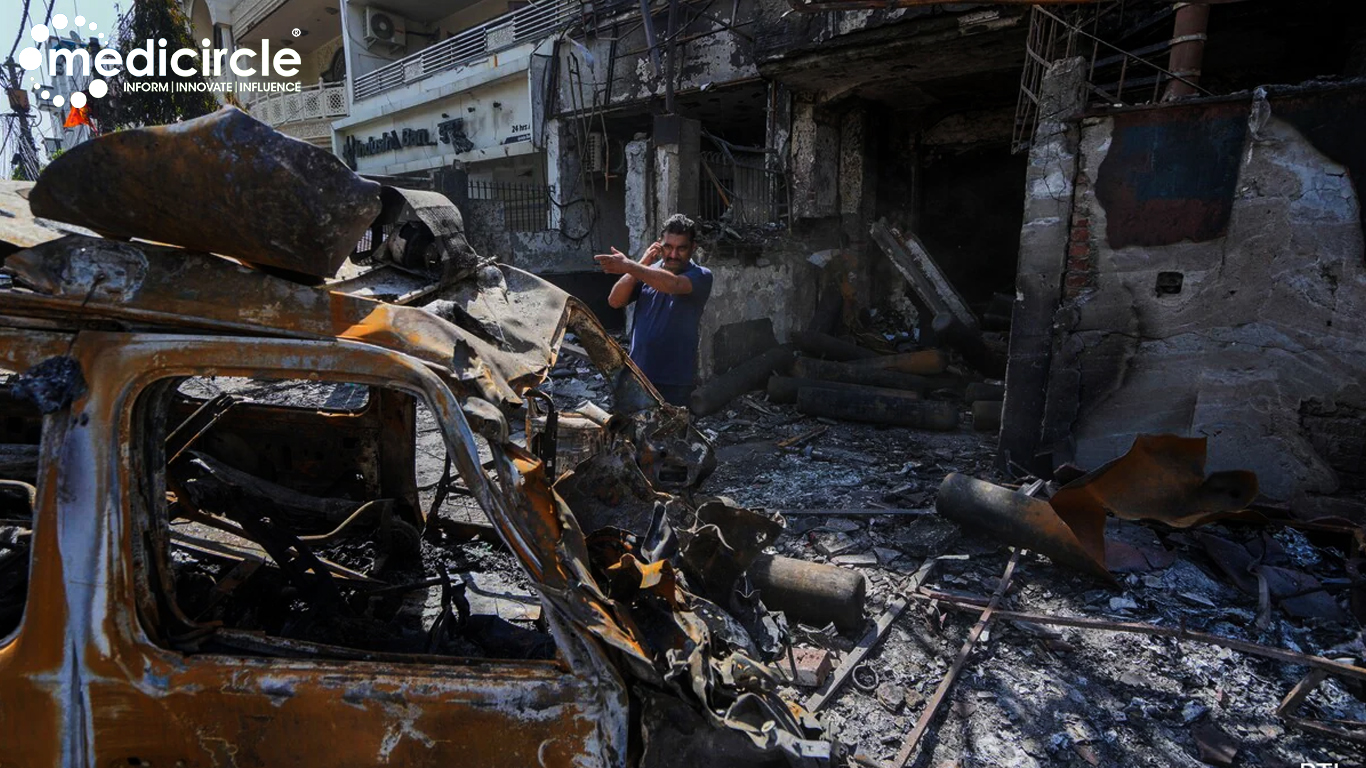
 The Baby Care New Born Child Hospital was allegedly operating with an expired license and without fire department clearance, highlighting serious legal and safety violations.




In a significant ruling, a court dismissed the bail plea of Dr. Akash, an on-duty doctor at a private hospital where a fire on May 25 resulted in the tragic deaths of seven newborns and injuries to five others. The court criticized the presence of Dr. Akash, an Ayurvedic doctor, in the critical neonatal care unit and condemned his insensitive statements regarding the cause of the infants' deaths.
Fire Incident at Baby Care New Born Child Hospital
On the night of May 25, a massive fire broke out at the Baby Care New Born Child Hospital in East Delhi’s Vivek Vihar. This hospital was reportedly operating illegally with an expired license and without any clearance from the fire department. The blaze led to the death of seven newborns and injuries to five others, sparking outrage and leading to legal actions against the hospital staff.
Dr. Akash's Role and Legal Proceedings
Dr. Akash, who was on duty at the time of the fire, and the hospital owner, Dr. Naveen Khichi, were taken into judicial custody on May 30. Dr. Akash, an Ayurvedic doctor by training, was found working in the neonatal intensive care unit (NICU), a zone requiring specialized allopathic medical expertise. Despite his claims of being a trainee, the investigation revealed that he was providing treatment and prescriptions to the infants.
Court’s Critique and Decision
Chief Metropolitan Magistrate Vidhi Gupta Anand, presiding over the bail plea, expressed strong disapproval of Dr. Akash’s conduct. The court found no logical reason for an Ayurvedic doctor to be working in the most sensitive zone of a hospital. It was noted that Dr. Akash's certification from the Medical Council of Haryana entitled him to practice only in Haryana, and his involvement in the NICU was beyond his professional scope.
The court also denounced Dr. Akash’s statement that the infants were not victims of the blaze as they died due to suffocation and not burns. This statement was labeled as "highly insensitive" and dismissed as lacking merit. The court emphasized that the seriousness of the alleged offenses warranted a thorough investigation.
Accusations of Negligence and Misconduct
The police investigation further revealed that Dr. Akash fled the hospital when the fire broke out, failing to call the police or fire services immediately. Instead, he contacted the hospital owner, Dr. Naveen Khichi, resulting in a significant delay that potentially cost the lives of the newborns. The court highlighted this act as a severe negligence of duty.
Ongoing Investigation and Legal Path Forward
Given the serious nature of the offenses and the initial stage of the investigation, the court ruled out the possibility of granting bail. The court pointed out several aspects that still needed detailed investigation, including Dr. Akash’s supervisory role, the collection of prescriptions he signed, and his role in delaying emergency calls. Additionally, the court noted the risk of the doctor fleeing or influencing witnesses.
In conclusion, the court advised that Dr. Akash should approach a higher court, such as a sessions judge, for bail. The dismissal of his bail plea highlights the gravity of the case and the judicial system’s commitment to ensuring accountability for the tragic incident at the Baby Care New Born Child Hospital.
Hospital's Legal and Safety Violations
The Baby Care New Born Child Hospital was allegedly operating with an expired license and without fire department clearance, highlighting serious legal and safety violations. These violations have drawn significant attention and criticism, exposing the need for stricter regulations and enforcement in the healthcare sector to prevent such tragedies in the future.
Impact on Healthcare Standards and Safety
This case has brought to light critical issues regarding healthcare standards and safety, especially in private hospitals. The presence of an unqualified doctor in a critical care unit and the lack of proper safety measures have raised questions about the overall management and regulatory compliance of healthcare facilities. There is a pressing need for stringent oversight and regular audits to ensure hospitals adhere to the required standards and prioritize patient safety.
Call for Improved Training and Emergency Protocols
The incident also highlights the importance of proper training and emergency protocols for all healthcare staff. Ensuring that medical professionals are adequately trained and aware of emergency procedures can significantly reduce the risk of such tragic incidents. Healthcare facilities must prioritize regular training sessions and drills to prepare their staff for emergency situations effectively.
Public Outrage and Demand for Justice
The fire incident and subsequent revelations have sparked public outrage, with many demanding justice for the victims and stricter regulations for healthcare facilities. The loss of innocent lives has resonated deeply, and there is a collective call for accountability and systemic changes to prevent such occurrences in the future.
Moving Forward: Lessons and Reforms
This tragic incident serves as a crucial lesson for the healthcare sector. It highlights the need for comprehensive reforms to ensure that all healthcare facilities meet the highest standards of safety and quality care. There must be a robust system in place to monitor and regulate the functioning of hospitals, ensuring they operate legally and with the necessary clearances.





.jpeg)










.jpg)
.jpg)
.jpg)
.jpg)
.jpg)
.jpg)


.jpg)