 Saturday, October 10, 2026
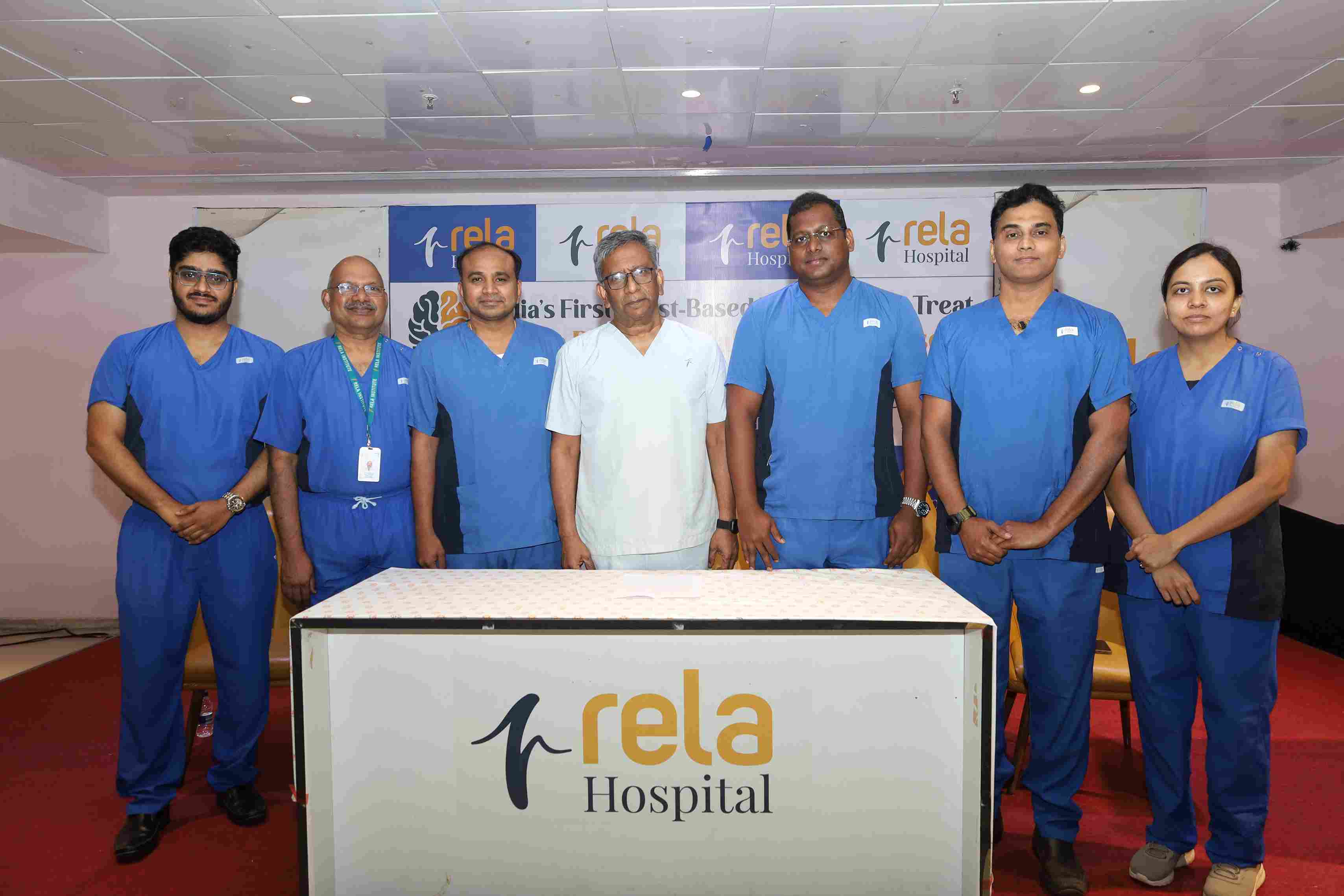
 The procedure used a Woven EndoBridge (WEB) device, an implant, to safely treat the complex brain vessel bulge without open surgery.




Chennai, February 2, 2026: Rela Hospital has successfully performed India’s first right transradial WEB embolisation, a minimally invasive procedure to treat a brain aneurysm, a bulge in the brain’s blood vessel, using an advanced implant delivered through an artery in the wrist. The procedure saved the life of a 60-year-old woman who had a rare and complex wide-neck aneurysm, a bulge with a wide opening. The innovative use of the WEB device also eliminated the need for stents or dual antiplatelet medications.
The advanced implant, known as Woven EndoBridge (WEB), is unique, as it is placed inside the aneurysm to block blood flow, preventing further bulging, rupture, or re-bleeding. Once sealed off, the aneurysm clots, shrinks, and becomes inactive. In this case, the WEB implant was delivered through the bloodstream to the affected brain vessel via the right wrist rather than the groin, using a guiding catheter and microcatheter.
The patient, a homemaker from Chennai, was rushed to the hospital after experiencing a sudden, severe headache followed by loss of consciousness, along with extremely high blood pressure measuring 230/140 mmHg. Her headache was intense and uncontrollable, and she remained unconscious on arrival.
An emergency CT brain scan followed by cerebral digital subtraction angiography (DSA) revealed bleeding in the space around the brain on the right side. Doctors identified a complex wide-neck aneurysm, where the balloon-like opening is broad, located at a bifurcation point, where one blood vessel splits into two. Given the high risk, the medical team promptly performed the emergency embolisation procedure.
The procedure was led by Dr. Muralidharan Vetrivel, Cerebrovascular Neurosurgeon and Neurointerventionist, with support from Senior Neurosurgeon Dr. Natesan Damodaran and Clinical Lead in Neuroanesthesia Dr. Ramanan Rajagopal.
In his comments, Prof. Mohamed Rela, Chairman, Rela Hospital, said, “This is the first time in India that a WEB device has been deployed inside a ruptured cerebral aneurysm through a transradial approach, marking a significant milestone in neurointerventional care. Treating wide-neck and bifurcation aneurysms is particularly complex, as these are rare, high-risk conditions that demand precision and speed. This breakthrough allows us to manage life-threatening aneurysms without opening the skull. By accessing the brain through a small puncture in the wrist, we not only minimise surgical trauma but also spare patients the prolonged bed rest and immobilisation associated with femoral artery access.”
In his comments, Dr. Muralidharan Vetrivel, said that “This procedure allows us to treat a life-threatening aneurysm without opening the skull, using only a small puncture in the wrist. We used specially designed catheters suitable for radial artery access and the WEB, a single intrasaccular device specifically designed for wide-neck aneurysms. Advanced support catheters, including the RIST system from Medtronic, were used to safely access the brain vessels through the radial route.”
The patient is recovering well and has been shifted out of the ICU. In cases of ruptured aneurysms, it typically takes around three weeks for subarachnoid haemorrhage and associated vasospasm (sudden narrowing or tightening of blood vessels) to subside. She is expected to remain hospitalised for 14–21 days and will require strict blood pressure control and optimisation of medications.
Dr. Muralidharan Vetrivel said that in India, the annual incidence of intracranial aneurysms ranges from 6 to 16 per 100,000 population, translating to an estimated 76,500 to 204,100 new cases each year. Prevalence reported in studies varies widely - from 0.75% to 10.3% - depending on the population studied and diagnostic methods used.
Hypertension is the primary risk factor, as it damages artery walls over time. Other major risk factors include smoking, excessive alcohol consumption, and the use of stimulant drugs such as cocaine and amphetamines. Genetic predisposition and a family history of aneurysms significantly increase risk. The condition is more common in women, especially after menopause, and typically occurs after the age of 40. Additional contributing factors include atherosclerosis, head injuries, blood infections, and certain congenital abnormalities.
To reduce risk, regular blood pressure monitoring and optimisation of medications, along with avoiding smoking and excessive alcohol intake, are required. People should seek immediate medical attention and undergo brain imaging such as CT or MRI if they experience a sudden onset of severe or unbearable headache - often described as the ‘worst headache of life’ - especially if accompanied by neck pain or loss of consciousness.






.jpeg)










.jpg)
.jpg)
.jpg)
.jpg)
.jpg)
.jpg)


.jpg)