 Thursday, October 08, 2026
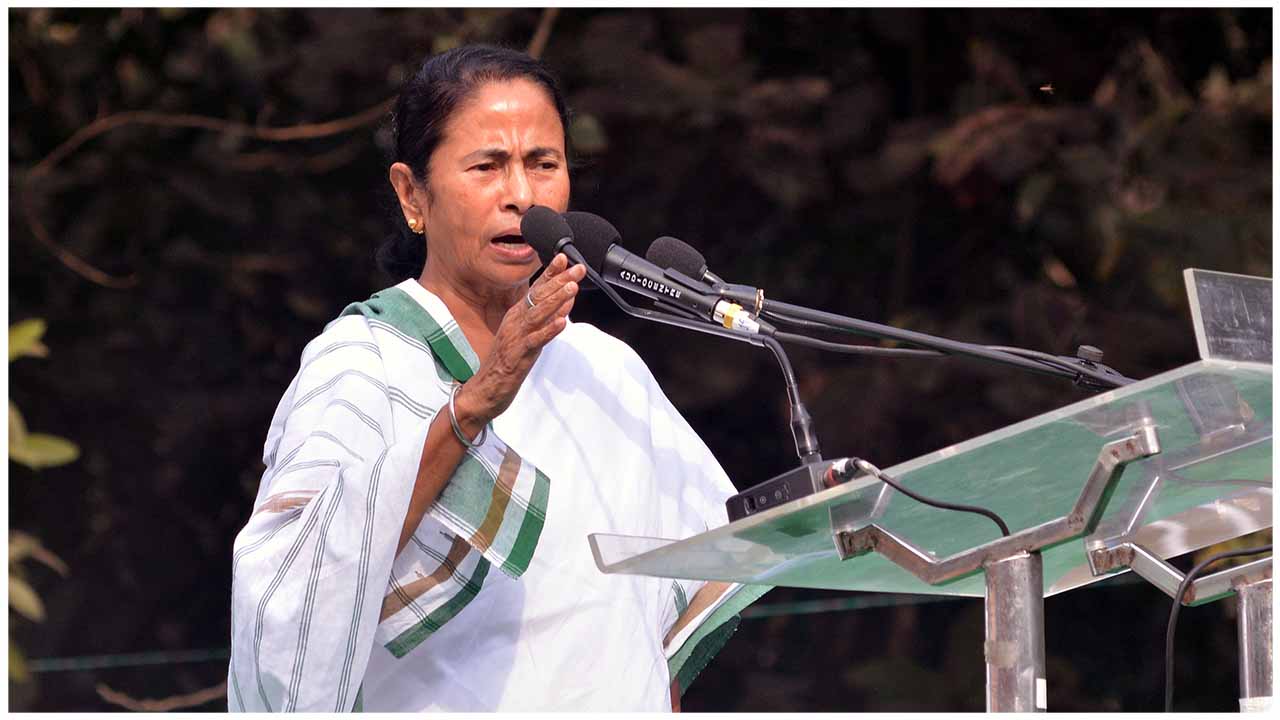
 West Bengal taking into consideration the prevailing pandemic situation declares lockdown till July 31




West Bengal Government has decided to extend the ongoing lockdown in the state till the 31st of July this year. Chief Minister Mamata Banerjee announced this after an all-party meeting convened yesterday to discuss the COVID situation in the State. Ms. Banerjee said the decision has been taken in view of the continuous rise of COVID cases in the State. She said that the lockdown will be extended with more relaxation.
She said that Educational Institutions in the state will be closed till 31st July. Ms. Banerjee said that private nursing homes have been directed for cost effective COVID treatment. The all party meeting has also decided to form a Committee for preparing a resolution on “Amphan” grants which will be sent to the Central Government. Referring to the opposition party’s allegations, Ms. Banerjee said that she has directed the Administration for smooth distribution of relief materials to the needy without seeing any party colour.
Recently, in West Bengal ruling Trinamool Congress legislator Tamonash Ghosh died of Corona infection at a private Nursing home in Kolkata this morning. He was 64. He was elected from Falta Assembly constituency in South 24 Paraganas district thrice.
Ghosh was associated with different social welfare organisations and held the Post of Chairman of the South Bengal State Transport Corporation. West Bengal Chief Minister Miss Mamata Banerjee has condoled the death of Ghosh.
Incidentally, this is the first time any MLA of the State had died of Corona infection.
The West Bengal Government has decided to open 104 safe Home Centres for mild symptoms of COVID patients. Announcing this at the State Secretariat this afternoon Chief Minister Mamata Banerjee said that steps have been taken to reduce the pressure of patients in COVID hospitals. Miss Banerjee reviewed the situation at a meeting with different Doctor's Associations today.
She announced several incentives for Junior doctors for treating COVID patients. The Chief Minister informed that Government employees such as Doctors, Medical staff, Police, Municipal workers, ASHA workers and others who are involved in COVID treatments, their services will be treated as Difficult area posting. She said all such employees will get benefits under Government rules.
Meanwhile, 391 people have tested positive in the last 24 hours in the State. With this, the total number of affected people has reached 12300 in the state so far. According to the State Health Department, 11 people have died of the disease during the last 24 hours taking the total number of deaths to 506.
Altogether 5,261 affected people are under treatment at different hospitals in the State. 505 people have been discharged in the last 24 hours after recovery. With this, the total number of cured patients released from hospitals stands at 6,533. The rate of recovery has improved to 53 percent in the State.






.jpeg)










.jpg)
.jpg)
.jpg)
.jpg)
.jpg)
.jpg)


.jpg)