Tuesday, October 06, 2026
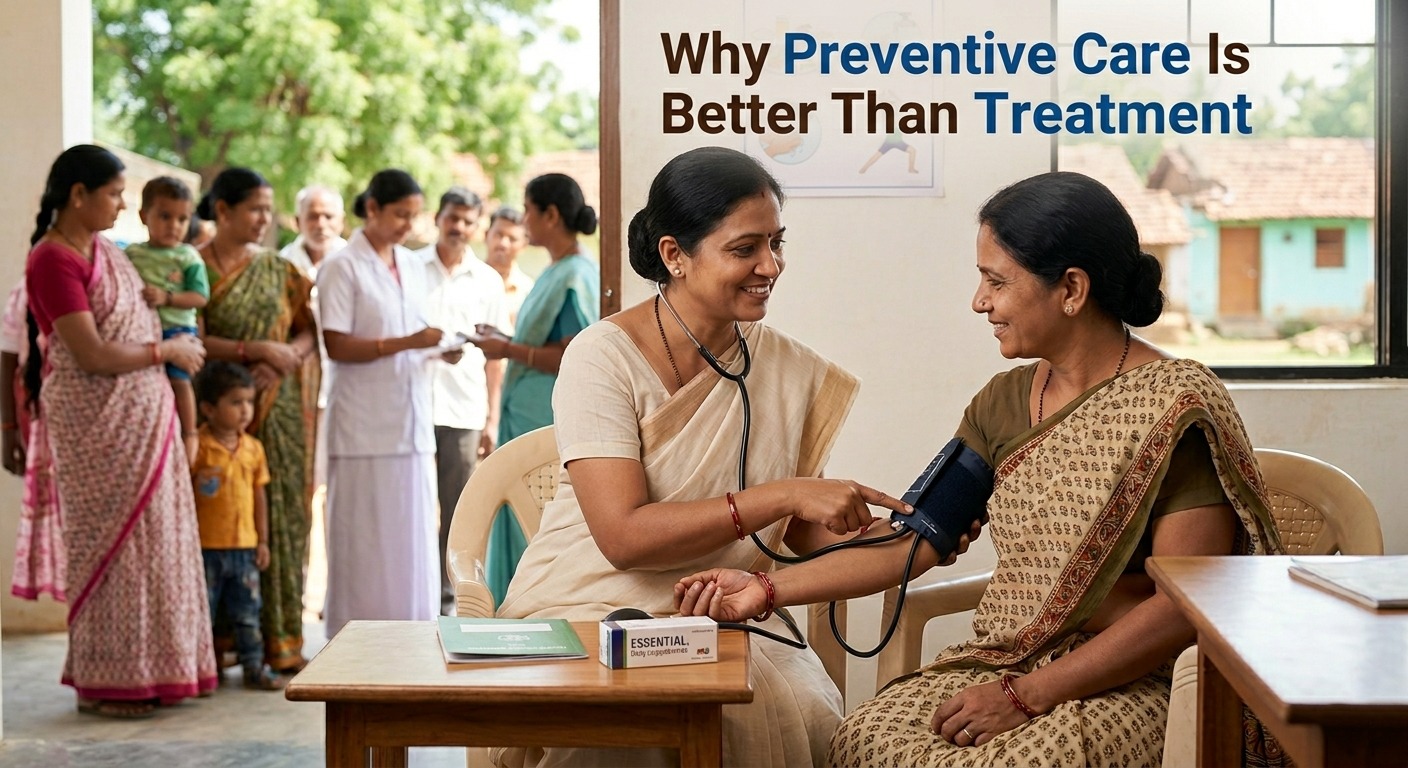
 Preventive care reduces health risks before they become serious, while curative care treats conditions after they develop. Focusing on prevention leads to better health outcomes, lower costs, and less need for complex treatments.




Most people only think about health when something feels wrong. A symptom appears, discomfort builds, and only then does action begin. Treatment becomes the focus. But by that time, the body has already been dealing with the issue for a while. Preventive care works differently. It steps in earlier, often before symptoms appear, quietly reducing risks that might otherwise turn into long-term conditions.
This shift from reaction to prevention is not just a medical idea. It is a practical approach to staying healthier with less disruption over time.
What Preventive And Curative Care Actually Mean
To understand the importance of prevention, it helps to first look at the difference between preventive care and curative care. Preventive care focuses on avoiding illness before it develops. This includes regular screenings, vaccinations, lifestyle management, and early risk detection.
On the other hand, curative care begins after a disease or condition has already appeared. The goal is to treat, manage, or eliminate the issue. The curative healthcare meaning is centered around recovery rather than prevention.
Common curative healthcare examples include treating infections with medication, performing surgeries for existing conditions, or managing chronic diseases after diagnosis. These are necessary, but they often involve more time, cost, and effort compared to preventive measures.
Why This Shift Matters More Than It Seems
Healthcare systems have traditionally been built around treatment. Hospitals, medications, and procedures are designed to respond to illness. But this approach often overlooks the long period before a condition becomes serious.
The cost of preventive care vs treatment clearly highlights this gap. Preventive care usually involves smaller, consistent investments such as checkups, lifestyle adjustments, and early screenings. Treatment, on the other hand, often involves higher expenses, longer recovery periods, and greater physical and emotional strain.
This is not just about money. It is about how health is experienced. Preventive care reduces disruption. Curative care often comes after disruption has already begun.
Benefits Of Preventive Care Over Treatment
Preventive care creates a foundation that supports long-term well-being. It does not guarantee that illness will never occur, but it reduces the likelihood and severity.
Some of the key benefits include:
- Early detection of potential health risks before they become serious
- Lower long-term healthcare costs compared to intensive treatment
- Reduced need for complex medical interventions
- Better management of lifestyle-related conditions
- Improved overall quality of life
While curative medicine examples like surgeries or advanced therapies play a critical role, they often become necessary when prevention is missed or delayed.
10 Reasons Why Prevention Is Better Than Cure
The idea that prevention is better than cure is widely accepted, but its practical value becomes clearer when broken down into everyday impact.
- Preventive care reduces the chances of developing serious diseases
- It allows early identification of risk factors
- It minimizes the need for long-term medication
- It lowers the cost of preventive care vs treatment over time
- It reduces hospital visits and medical procedures
- It supports better lifestyle habits
- It improves long-term health outcomes
- It reduces emotional and physical stress associated with illness
- It helps maintain productivity and daily routine
- It creates a more sustainable approach to healthcare
These 10 reasons why prevention is better than cure are not theoretical. They reflect how small, consistent actions can influence long-term health outcomes.
How Preventive Care Works In Everyday Life
Preventive care is not limited to hospitals or medical tests. It is part of daily life, shaped by routine choices and habits.
It includes regular health checkups, balanced nutrition, physical activity, and stress management. These actions may seem simple, but they play a significant role in reducing long-term risks.
In contrast, curative care often involves more intensive intervention. For example, managing diabetes after diagnosis requires medication, monitoring, and lifestyle adjustments that could have been minimized with earlier preventive steps.
Looking at curative healthcare examples, it becomes clear that treatment often addresses conditions that have already progressed. Prevention, on the other hand, aims to stop that progression before it begins.
Case Studies: How Prevention Changes Outcomes
Case Study 1: Detecting Risk Before It Becomes DiseaseA working professional in her early thirties began routine health screenings despite having no visible symptoms. The tests revealed early signs of elevated blood sugar levels. At this stage, no medication was required.
With minor lifestyle adjustments, including dietary changes and regular activity, her levels stabilized. Without preventive screening, this could have progressed into a condition requiring long-term curative care.
Case Study 2: Managing Lifestyle Before Intervention Becomes NecessaryA middle-aged individual with a sedentary routine began experiencing mild fatigue. Instead of ignoring it, he opted for a preventive health assessment. The results showed early indicators of cardiovascular risk.
By adopting structured exercise and dietary improvements, he avoided the need for future curative medicine examples such as medication or surgical intervention.
Case Study 3: Reducing Long-Term Healthcare BurdenA family with a history of chronic illness adopted preventive practices such as regular checkups and monitored nutrition. Over time, they experienced fewer hospital visits and lower healthcare expenses.
This highlighted the practical difference in the cost of preventive care vs treatment, where consistent small efforts reduced the likelihood of expensive medical interventions later.
Common Mistakes People Make
Even when people understand the value of prevention, certain habits delay action.
- Ignoring routine health checkups
- Assuming absence of symptoms means good health
- Delaying lifestyle changes until problems appear
- Relying entirely on curative care after diagnosis
- Underestimating long-term health risks
Avoiding these patterns helps shift the focus from reaction to prevention.
FAQs
1. What is the difference between preventive care and curative care?The difference between preventive care and curative care is that preventive care focuses on avoiding illness, while curative care treats conditions after they occur.
2. Why is preventive care considered better than treatment?Preventive care reduces risks early, lowers costs, and avoids the need for complex medical interventions later.
3. What are some curative healthcare examples?Common curative healthcare examples include surgeries, medications for infections, and treatments for chronic diseases after diagnosis.
4. What is curative healthcare meaning in simple terms?The curative healthcare meaning refers to treating or managing a disease after it has already developed.
5. What are curative medicine examples?Curative medicine examples include antibiotics, surgical procedures, and therapies used to treat existing conditions.
6. How does preventive care reduce healthcare costs?The cost of preventive care vs treatment is lower because prevention avoids expensive procedures and long-term treatments.
7. Can preventive care completely eliminate diseases?No, but it significantly reduces the risk and severity of many conditions.
8. When should preventive care start?Preventive care should begin early and continue consistently throughout life.
9. Is curative care still important?Yes, curative care is essential for treating conditions that cannot be prevented or were detected late.
10. What are the 10 reasons why prevention is better than cure?The 10 reasons why prevention is better than cure include reduced risk, lower costs, early detection, and improved long-term health outcomes.
Conclusion
Preventive care does not replace treatment, but it changes when and how healthcare is experienced. By focusing on early action and consistent habits, it reduces the need for intensive interventions later. Over time, this approach supports a healthier, more stable way of living where care begins before problems appear.






.jpeg)
.jpg)
.jpg)
.jpg)
.jpg)
.jpg)
.jpg)


.jpg)
.jpg)
.jpg)
.jpg)
.jpg)
.jpg)