Wednesday, October 07, 2026
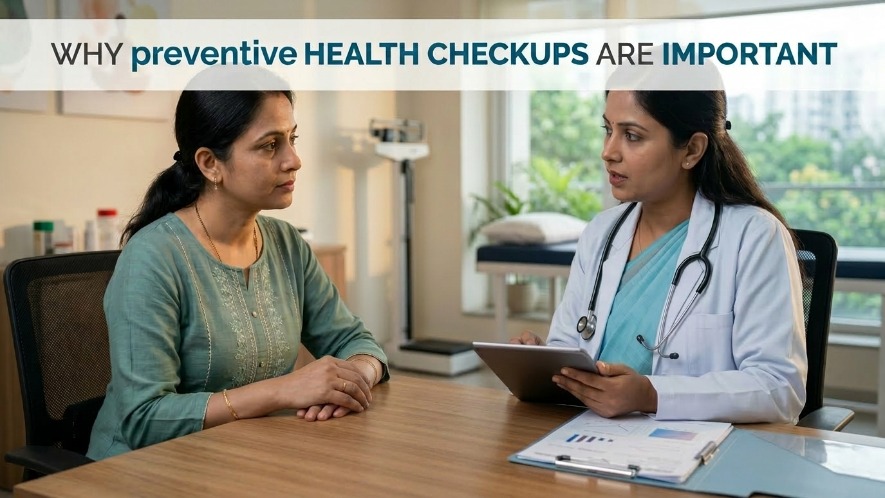
 Preventive health checkups after the age of 30 play a crucial role in identifying early physiological changes and potential health risks before symptoms arise. As metabolism slows and vulnerability to conditions like Diabetes and Hypertension increases, routine screenings help in timely detection and management. This proactive approach supports long-term well-being by shifting the focus from treatment to prevention and sustained health monitoring.





Introduction
Turning 30 is often seen as just another milestone, but from a medical perspective, it marks an important transition in the body. During this phase, metabolism begins to slow down, stress levels often increase due to career and personal responsibilities, and the risk of developing lifestyle-related conditions gradually rises.
Unlike earlier years, the body may no longer recover as quickly or adapt as easily. Many health conditions begin silently during this period, without obvious symptoms. This is why doctors strongly recommend preventive health checkups after the age of 30.
Preventive care is not about finding disease, but about identifying risks early and maintaining health before problems develop.
What Preventive Health Checkups Really Mean
Preventive health checkups involve routine medical tests and evaluations aimed at detecting potential health issues before symptoms appear.
These checkups provide a baseline understanding of how the body is functioning. They help doctors monitor changes over time and identify early warning signs that might otherwise go unnoticed.
Rather than waiting for illness to occur, preventive care focuses on maintaining balance and reducing long-term risks.
Why the Body Changes After 30
After the age of 30, several physiological changes begin to occur gradually. Muscle mass may decline, metabolism slows, and hormonal balance starts to shift.
These changes are natural but can increase susceptibility to conditions such as and .
Because these conditions often develop without noticeable symptoms in the early stages, regular monitoring becomes essential.
Early Detection of Silent Diseases
One of the most important reasons for preventive checkups is the detection of silent diseases. Many serious conditions, including , develop gradually over time.
By the time symptoms appear, the condition may already be advanced. Early detection through routine tests allows timely intervention, which can significantly improve outcomes.
Monitoring Key Health Parameters
Preventive checkups help track important health indicators such as blood pressure, blood sugar levels, cholesterol, and body weight.
These parameters provide valuable insights into overall health and help identify trends that may indicate future risk. Regular monitoring allows for early lifestyle adjustments before serious complications arise.
Role in Lifestyle Modification
Health checkups do more than diagnose problems; they guide lifestyle improvements. Based on test results, doctors can recommend changes in diet, physical activity, sleep, and stress management.
This personalized approach helps individuals make informed decisions about their health and maintain long-term well-being.
Reducing Long-Term Healthcare Risks
Ignoring early signs of health issues often leads to more complex and costly treatments later. Preventive care reduces the risk of complications by addressing problems at an early stage.
Doctors emphasize that prevention is not only better for health but also more effective and less burdensome in the long run.
Mental Peace and Health Awareness
Regular health checkups provide reassurance and clarity. Knowing your health status reduces anxiety and helps you stay proactive about your well-being.
It also increases awareness, encouraging individuals to take responsibility for their health rather than reacting only when problems arise.
Frequency of Checkups After 30
The frequency of preventive checkups depends on individual risk factors such as family history, lifestyle, and existing conditions.
In general, doctors recommend at least one comprehensive health checkup annually after the age of 30. In some cases, more frequent monitoring may be required.
Case Study: The Value of Early Detection
A 32-year-old professional with no apparent symptoms decided to undergo a routine health checkup as part of a workplace wellness program. The individual felt completely healthy and had no major complaints.
However, the reports revealed slightly elevated blood sugar levels, indicating early-stage . Without the checkup, this condition would have gone unnoticed.
With timely intervention, including dietary changes, regular exercise, and weight management, blood sugar levels returned to normal within a few months.
This case highlights how preventive checkups can detect problems early and prevent the progression to more serious conditions.
Conclusion
Preventive health checkups after 30 are not optional; they are essential for maintaining long-term health. As the body undergoes gradual changes, regular monitoring helps detect risks early and supports timely intervention.
From a doctor’s perspective, the goal is not just to treat disease but to prevent it. Preventive care empowers individuals to take control of their health and make informed lifestyle choices.
Investing in regular checkups today can prevent major health challenges in the future.
FAQs
- Why are health checkups important after 30?
Because the risk of lifestyle-related diseases begins to increase after this age. - How often should I get a health checkup?
Generally once a year, unless advised otherwise by a doctor. - Can I skip checkups if I feel healthy?
No, many conditions develop without symptoms. - What diseases can be detected early?
Conditions like diabetes, hypertension, and heart disease. - Are preventive checkups expensive?
They are cost-effective compared to treating advanced diseases. - Do lifestyle habits affect checkup results?
Yes, diet, exercise, and stress significantly influence health parameters. - Can early detection reverse diseases?
In many cases, early intervention can control or reverse conditions. - Is family history important?
Yes, it helps identify potential genetic risks. - What tests are usually included?
Basic blood tests, blood pressure, and metabolic screenings. - What is the key benefit of preventive care?
Early detection and prevention of serious health problems.






.jpeg)




.jpg)
.jpg)
.jpg)
.jpg)
.jpg)
.jpg)


.jpg)
.jpg)
.jpg)
.jpg)
.jpg)
.jpg)