Tuesday, October 27, 2026
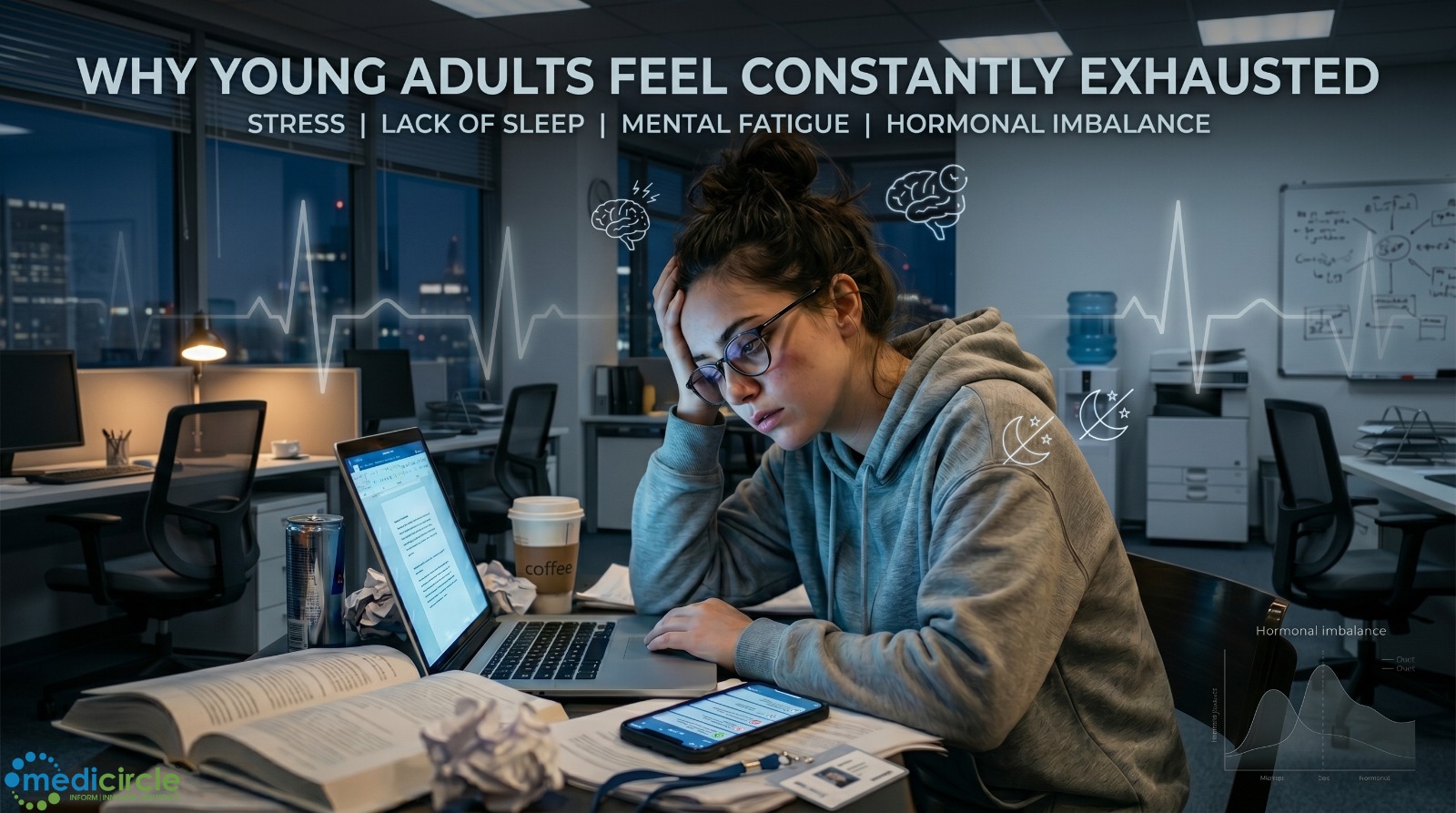
 Many young adults today report being constantly feeling tired and sleepy, even after resting or taking breaks. Modern routines involving stress, irregular sleep, screen exposure, emotional overload, and poor recovery habits are contributing to increasing levels of physical and mental exhaustion. Understanding the real reasons for constant fatigue helps explain why tiredness has become so common among students, working professionals, and young adults balancing multiple responsibilities simultaneously.




Feeling tired after a long day is normal. Feeling mentally drained, physically low, emotionally exhausted, and unable to recover even after sleep is becoming increasingly common among young adults.
Across colleges, workplaces, and even social settings, many people quietly describe the same experience: waking up tired, struggling to focus throughout the day, depending heavily on caffeine, and feeling mentally “switched off” by evening. This pattern is often described as being constantly exhausted rather than simply “busy.”
The modern lifestyle has changed the way energy is consumed and restored. Young adults today face continuous stimulation through screens, work pressure, academic competition, social expectations, irregular routines, and information overload. The body may appear physically rested, yet the brain and nervous system often remain overstimulated.
This is why many people say:
- “I’m sleeping, but I still feel exhausted.”
- “I constantly feel tired and sleepy even on weekends.”
- “I have no motivation despite doing less physical work.”
- “My mind feels heavy all the time.”
The issue is rarely caused by one factor alone. Fatigue in young adults is usually the result of overlapping physical, emotional, mental, and lifestyle patterns.
Constant Fatigue Is Not Always About Lack of Sleep
One of the biggest misconceptions about tiredness is that sleep alone fixes exhaustion. While sleep is essential, modern fatigue often involves deeper recovery problems.
A person may technically sleep for seven or eight hours but still wake up exhausted because their body and brain never fully relaxed.
Mental Overload and Continuous Stimulation
Young adults today rarely experience complete mental silence. Even during breaks, the brain remains active through notifications, scrolling, multitasking, or background stress.
For example, a student may spend the day attending classes, studying online, checking messages constantly, worrying about future plans, and staying awake late watching videos to “relax.” Physically, they were not doing intense labor, yet mentally they remained active for nearly the entire day.
Over time, this creates a cycle of constant feeling of fatigue even without major physical exertion.
The Role of Poor Sleep Quality in Constant Exhaustion
Sleep quantity and sleep quality are very different things.
Many young adults sleep late, wake up frequently, or experience shallow sleep due to stress, irregular schedules, or excessive screen exposure. Even when total sleep duration seems adequate, recovery may remain incomplete.
Common Sleep Habits That Affect Energy Irregular Sleep TimingSleeping at different times every day disrupts the body’s internal clock, making energy levels inconsistent.
Screen Exposure Before BedContinuous exposure to phones, laptops, and bright screens delays natural sleep signals and reduces sleep quality.
Emotional Overthinking at NightMany people appear physically relaxed at night but remain mentally active due to anxiety, unfinished work, or emotional stress.
Weekend Sleep CompensationTrying to “catch up” on sleep during weekends often disrupts weekday sleep patterns further.
These habits contribute to people feeling constantly tired all the time despite spending enough hours in bed.
Why Stress Creates Physical ExhaustionStress does not only affect emotions. It affects hormones, digestion, sleep quality, concentration, appetite, and muscle tension.
Young adults often live in a state of low-grade continuous stress without realizing it.
Modern Sources of Everyday Stress- Academic pressure
- Career uncertainty
- Financial concerns
- Social comparison through social media
- Fear of falling behind professionally
- Relationship stress
- Constant availability through digital communication
The body interprets ongoing mental pressure as a demand for survival readiness. Stress hormones remain elevated longer than necessary, making proper recovery difficult.
This is one of the major causes of constant tiredness and fatigue in younger populations today.
Emotional Exhaustion Often Looks Like Physical Fatigue
Not all exhaustion originates from the body. Emotional overload frequently appears as tiredness, low energy, and lack of motivation.
Someone dealing with emotional stress may experience:
- Mental heaviness
- Difficulty concentrating
- Low enthusiasm
- Physical tiredness
- Increased sleepiness
- Reduced productivity
A young professional managing workplace deadlines while also dealing with family expectations may feel drained even after a quiet weekend. Their body may not be physically exhausted, but emotional stress continues to consume mental energy.
Similarly, students preparing for competitive exams often describe feeling “burnt out” long before exams actually occur.
This emotional fatigue contributes significantly to why people become constantly feeling exhausted over time.
Nutrition and Energy Imbalance in Young Adults
Modern eating habits also influence energy levels more than many people realize.
Skipping meals, excessive caffeine, processed foods, dehydration, and irregular eating patterns may cause unstable energy throughout the day.
How Food Habits Affect Daily Energy High Sugar IntakeSugary foods provide quick energy spikes followed by energy crashes, making people feel more tired afterward.
Low Protein IntakeInadequate protein may contribute to poor satiety and unstable energy levels.
Meal SkippingSkipping breakfast or delaying meals for long periods may affect concentration and physical stamina.
DehydrationEven mild dehydration may contribute to headaches, low concentration, and fatigue.
Many people who are constantly tired and sleepy are unknowingly combining poor sleep with inconsistent nutrition and chronic stress simultaneously.
Sedentary Lifestyle and Low Energy
Ironically, doing less physical activity can sometimes increase fatigue.
Young adults today spend large portions of the day sitting — studying, working online, gaming, streaming, or commuting. Reduced movement affects circulation, posture, metabolism, and mental alertness.
Why Lack of Movement Reduces EnergyPhysical activity helps regulate:
- Blood circulation
- Sleep quality
- Stress hormones
- Mood stability
- Energy metabolism
People who remain inactive for long periods often describe feeling mentally foggy and physically sluggish despite conserving physical energy.
This overlap between inactivity and fatigue explains many reasons for constant fatigue and tiredness in modern lifestyles.
Brain Fatigue and Information Overload
The human brain was not designed for continuous information intake without recovery.
Young adults consume enormous amounts of content daily through short videos, notifications, emails, news feeds, entertainment, and multitasking.
Signs of Cognitive Exhaustion Difficulty FocusingMany people struggle to maintain attention for long periods without distraction.
Mental SlownessTasks that previously felt easy begin to feel mentally tiring.
Reduced MotivationConstant stimulation reduces mental freshness and enthusiasm.
Emotional IrritabilityMental overload often lowers emotional tolerance and patience.
This type of exhaustion is frequently mistaken for laziness when it is actually nervous system overload.
Health Conditions That May Overlap With Constant Fatigue
Sometimes exhaustion is related to underlying health conditions rather than lifestyle patterns alone.
Common Overlapping Conditions Iron DeficiencyLow iron levels may contribute to tiredness, weakness, and reduced concentration.
Thyroid DisordersConditions such as hypothyroidism commonly contribute to fatigue and sluggishness.
Anxiety and DepressionMental health conditions often affect sleep, appetite, energy, and emotional stamina.
Sleep DisordersPoor sleep quality may persist even when sleep duration appears normal.
Vitamin DeficienciesLow vitamin B12 or vitamin D levels may contribute to ongoing fatigue.
Persistent symptoms should therefore not always be dismissed as “normal stress.”
Social Media and Comparison Fatigue
Modern exhaustion is also psychological.
Young adults are constantly exposed to curated images of success, productivity, travel, fitness, and achievement online. This creates subtle pressure to remain productive at all times.
Even rest periods become emotionally loaded because people feel guilty for “not doing enough.”
This contributes to mental exhaustion that accumulates gradually over months and years.
Why Recovery Feels Harder Today
Many young adults are resting physically without recovering mentally.
True recovery requires moments where the brain is not processing stress, stimulation, comparison, or pressure continuously.
Habits That Commonly Prevent Recovery- Scrolling before sleep
- Constant multitasking
- Working during breaks
- Irregular routines
- Lack of outdoor activity
- Excessive caffeine dependence
- Poor boundaries between work and rest
Without proper recovery, fatigue becomes chronic rather than temporary.
Practical Ways Young Adults Can Improve Energy Naturally
Energy recovery usually improves through consistent lifestyle adjustments rather than sudden dramatic changes.
Focus on Sleep ConsistencyGoing to sleep and waking up at similar times helps regulate energy patterns.
Reduce Continuous StimulationShort breaks away from screens and constant notifications may improve mental clarity.
Improve Daily NutritionBalanced meals, hydration, and regular eating patterns support stable energy levels.
Increase Physical MovementEven moderate daily walking or exercise improves circulation and mental alertness.
Create Mental Recovery TimeQuiet activities, outdoor exposure, mindfulness, and reduced multitasking help the nervous system recover.
Seek Medical Advice When NeededPersistent fatigue, dizziness, sleep problems, or emotional distress should be evaluated professionally rather than ignored.
Conclusion
Many young adults today are constantly feeling tired and sleepy because modern exhaustion is no longer caused by physical work alone. Mental overload, emotional stress, sleep disruption, irregular routines, sedentary behavior, and digital overstimulation are all contributing to widespread fatigue.
Understanding the real causes for constant tiredness helps people recognize that exhaustion is often multifactorial rather than simply “being lazy” or “not sleeping enough.” Small but consistent improvements in sleep, movement, nutrition, stress management, and recovery habits can gradually improve both physical and mental energy over time.
FAQs
- Why am I constantly feeling tired and sleepy even after sleeping?
This may happen due to poor sleep quality, stress, mental overload, irregular sleep schedules, nutritional imbalance, or underlying health conditions. Sleeping longer does not always guarantee proper recovery.
- What are the most common reasons for constant fatigue?
The most common reasons for constant fatigue include stress, poor sleep habits, dehydration, sedentary lifestyle, emotional exhaustion, irregular eating, and excessive screen exposure.
- Can stress cause constant tiredness?
Yes, long-term stress affects hormones, sleep quality, digestion, and emotional energy. Over time, stress can create both physical and mental exhaustion.
- Why do young adults feel constantly exhausted today?
Modern routines involve continuous mental stimulation, digital overload, academic or work pressure, poor recovery habits, and irregular lifestyles, all of which contribute to fatigue.
- Can poor diet make someone constantly tired all the time?
Yes, irregular eating patterns, processed foods, dehydration, and nutrient deficiencies may contribute to unstable energy and tiredness throughout the day.
- Is mental exhaustion the same as physical fatigue?
Not exactly. Mental exhaustion affects concentration, motivation, and emotional energy, while physical fatigue affects bodily stamina. However, the two often overlap.
- When should constant fatigue be medically evaluated?
Persistent tiredness lasting several weeks, severe exhaustion, dizziness, poor concentration, sleep disturbances, or fatigue interfering with daily life should be evaluated professionally.
- Can lack of exercise increase tiredness?
Yes, sedentary behavior may reduce circulation, affect sleep quality, and contribute to mental sluggishness, making people feel more fatigued over time.
- Why does social media sometimes increase exhaustion?
Continuous comparison, overstimulation, information overload, and constant engagement can increase mental fatigue and emotional stress.
- How can young adults naturally improve energy levels?
Consistent sleep schedules, balanced nutrition, hydration, stress management, physical activity, and reducing excessive screen exposure may gradually improve overall energy and recovery.





-23-300x250.png)

.jpeg)






.jpg)
.jpg)
.jpg)
.jpg)
.jpg)
.jpg)
.jpg)
.jpg)
.jpg)