Sunday, October 25, 2026
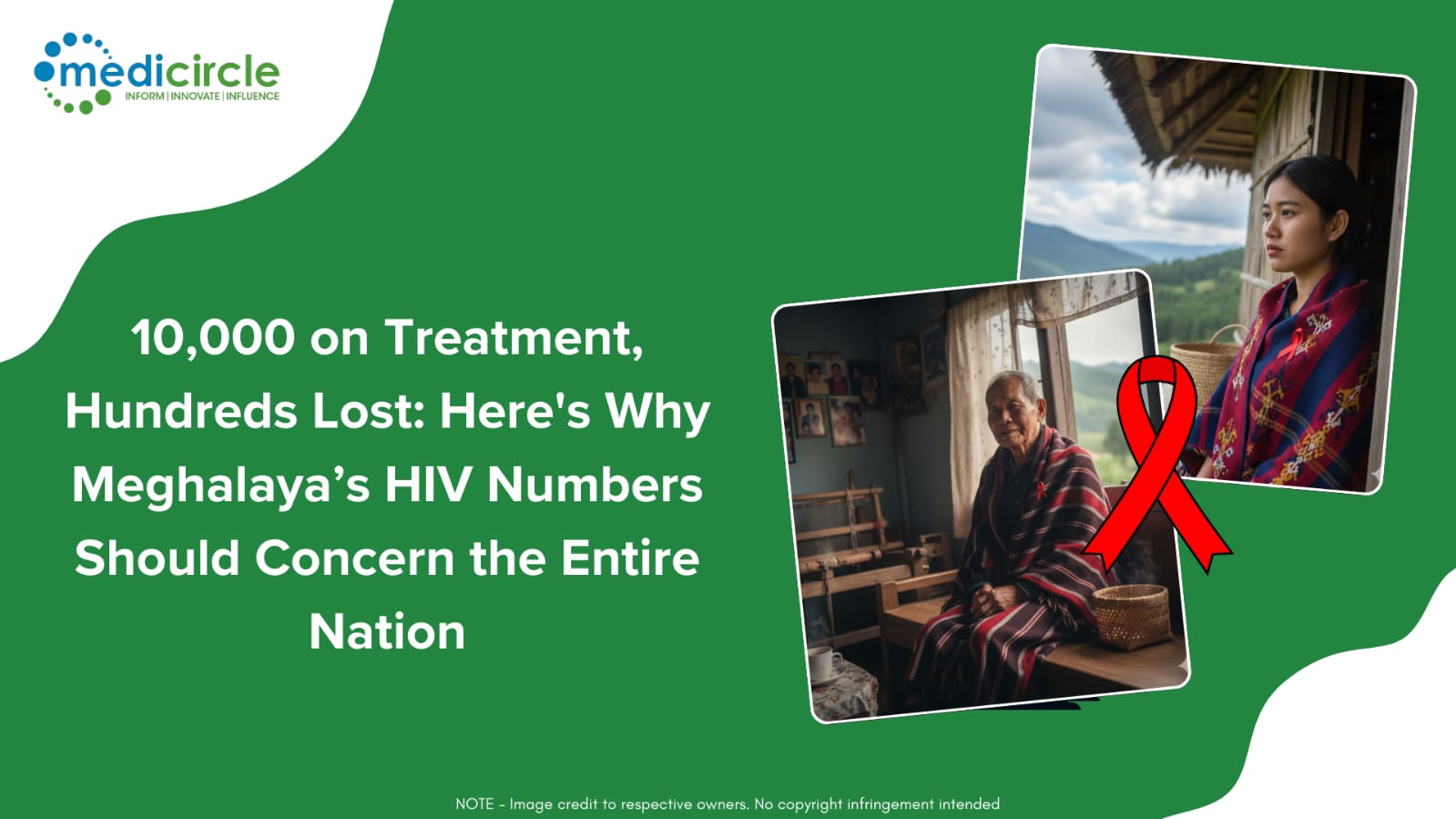
 The true measure of success will not be how many people are on treatment today, but how effectively new infections are prevented tomorrow and how confidently those living with HIV can lead lives free from fear and discrimination.




In the hills and valleys of Meghalaya, a public health battle is unfolding. Behind the mist-covered landscapes and vibrant community life, more than 10,000 people are currently receiving antiretroviral therapy for HIV. The number represents individuals, families and communities navigating the realities of a chronic viral infection that still carries social stigma, economic strain and emotional burden. It also signals a decisive moment for healthcare planning, disease prevention and long-term HIV management in one of India’s most culturally rich states.
Recent figures presented in the state Assembly revealed that over 10,293 people are on antiretroviral therapy as of January 2026. Meghalaya now reports the highest number of HIV cases in the country relative to its population size, placing it under intense public health scrutiny. For policymakers and healthcare professionals, this is not simply about numbers. It is about understanding why infections continue to rise, how treatment coverage can be strengthened, and what measures are needed to reduce HIV-related deaths and opportunistic infections.
Over the past decade, 749 HIV-related deaths have been recorded in the state. The highest number of fatalities occurred in East Khasi Hills, followed by West Jaintia Hills and East Jaintia Hills. Other districts, including Ri Bhoi, West Khasi Hills and the Garo Hills region, reported smaller but significant figures. Health authorities have clarified that these deaths were not directly caused by HIV itself but by opportunistic infections that take hold when immunity is compromised. This distinction is medically important. HIV weakens the immune system, making individuals vulnerable to infections such as tuberculosis, pneumonia and fungal diseases. When treatment is delayed or interrupted, the risk of severe complications increases.
HIV is no longer a death sentence. With timely diagnosis and consistent antiretroviral therapy, people living with HIV can lead long, productive lives. Antiretroviral treatment suppresses viral load, strengthens immune function and reduces the risk of transmission. Globally, advances in HIV medicine have transformed the infection from a fatal illness into a manageable chronic condition. Yet this progress depends on early testing, adherence to medication and community support.
Meghalaya’s situation reflects both progress and persistent challenges. On one hand, more than ten thousand individuals are actively receiving ART, demonstrating that treatment infrastructure exists and is functioning. On the other hand, rising case numbers highlight gaps in prevention, awareness and stigma reduction. According to state health authorities, legal and social factors complicate intervention efforts. Under the HIV and AIDS (Prevention and Control) Act, confidentiality of HIV status is mandatory. Testing requires informed consent, and no patient can be compelled to begin or continue treatment. These protections are essential for safeguarding human rights. However, they also require health systems to rely heavily on voluntary participation and trust.
Stigma remains one of the most powerful barriers to HIV prevention and treatment. Fear of discrimination discourages many from seeking HIV testing or disclosing their status. In smaller communities, concerns about confidentiality can be particularly acute. Public health campaigns must therefore balance awareness with sensitivity. Education initiatives need to address myths about transmission, emphasize that HIV treatment is effective, and promote empathy toward those affected.
The government has announced a five-year mission-mode programme with a sanctioned budget of ₹25 crore to strengthen HIV prevention and treatment in Meghalaya. The plan includes expanding testing facilities, increasing manpower and enhancing outreach services. The state currently operates 392 Integrated Counselling and Testing Centres (ICTCs), along with four mobile units that travel to remote areas. These facilities play a crucial role in early detection. Early HIV diagnosis allows for immediate initiation of antiretroviral therapy, which reduces viral load and prevents progression to AIDS.
Early testing is the gateway to epidemic control. When individuals know their HIV status and begin treatment, the virus becomes suppressed to undetectable levels. Scientific evidence confirms that people with sustained viral suppression do not transmit HIV sexually. This principle, often summarized as “Undetectable equals Untransmittable,” underscores the power of ART not only as treatment but as prevention. Expanding HIV testing in Meghalaya could therefore have far-reaching benefits.
At the same time, healthcare providers face the complex social landscape of the region. Meghalaya’s diverse tribal communities possess strong cultural identities and community structures. Engaging local institutions, faith leaders and youth groups may be critical for improving HIV awareness. Legislators have reportedly formed an Assembly forum on HIV/AIDS and even contributed resources to support outreach, signaling political commitment to addressing the crisis.
The burden of HIV intersects with broader challenges such as tuberculosis, substance use and migration. Northeast India has historically experienced higher rates of injection drug use in certain areas, which increases HIV transmission risk. Harm reduction strategies, including needle exchange programmes and opioid substitution therapy, can reduce new infections. Public health policy must integrate HIV services with mental health support and addiction treatment to achieve sustained impact.
The data from Meghalaya also reflect the evolving nature of HIV epidemiology in India. Nationally, the country has made significant strides in reducing new infections over the past decade. However, regional disparities remain. States with concentrated epidemics require tailored interventions. Urban-rural migration, cross-border movement and socioeconomic vulnerabilities contribute to shifting transmission patterns. For Meghalaya, targeted prevention campaigns focused on high-risk groups are essential.
Another critical element is adolescent and youth education. Young people often lack accurate information about sexual health and HIV transmission. Comprehensive sex education remains controversial in some regions, yet it is a proven tool for reducing risky behaviour. Providing scientifically accurate, culturally appropriate information empowers young individuals to make informed choices and seek testing when necessary.
The clarification that deaths were due to opportunistic infections rather than HIV directly may offer some reassurance, but it should not obscure the seriousness of advanced infection. Opportunistic infections occur when immune defenses are severely weakened. Tuberculosis remains one of the leading causes of death among people living with HIV worldwide. Strengthening TB screening and preventive therapy within HIV programmes is crucial. Integrating HIV and TB services ensures that co-infections are detected early and treated effectively.
Access to antiretroviral therapy is a cornerstone of HIV control. ART regimens have become more effective and better tolerated over the years. Once-daily fixed-dose combinations simplify adherence. Side effects have decreased with newer medications. Nevertheless, treatment adherence requires continuous counseling and support. Missed doses can lead to drug resistance, complicating future therapy. Healthcare workers must maintain regular follow-up with patients to monitor viral load and manage side effects.
The economic dimension of HIV cannot be ignored. Long-term treatment, laboratory monitoring and hospital care place financial demands on state health budgets. Investment in prevention may ultimately reduce costs by preventing new infections. The ₹25 crore allocation for the five-year programme signals recognition that proactive spending now can yield savings later. Public health is often a question of timing. Delayed action increases both human and economic cost.
Community engagement is equally vital. People living with HIV must be involved in programme design and evaluation. Peer support groups can improve adherence and reduce isolation. When individuals share their experiences openly, stigma diminishes and testing rates improve. Empowerment of affected communities strengthens resilience.
The digital era also presents new opportunities. Mobile health platforms can send medication reminders, provide counseling and disseminate awareness messages. In remote districts of Meghalaya, telemedicine may expand access to specialist consultation. Leveraging technology could help bridge geographic gaps and enhance continuity of care.
It is important to place Meghalaya’s HIV statistics within the broader national context. India’s National AIDS Control Organisation (NACO) has worked for decades to scale up prevention and treatment. Free ART services are available across government facilities. Yet regional variations require localized leadership. Meghalaya’s strategy must reflect its unique demographic, cultural and epidemiological realities.
The assertion that HIV is treatable and manageable must be reinforced through consistent messaging. Fear-based narratives discourage testing. Hope-based messaging encourages engagement with healthcare services. When people understand that early HIV treatment enables a normal lifespan, they are more likely to seek care. Clear communication that HIV cannot be transmitted through casual contact also reduces discrimination.
Though the state Assembly debates these issues, the focus must remain on sustainable solutions. Expanding ICTCs and mobile testing units is an important step. Strengthening laboratory capacity for viral load monitoring is equally essential. Accurate data guide effective policy. Surveillance systems must track new infections, treatment outcomes and resistance patterns.
Healthcare workforce training is another priority. Doctors, nurses and counselors require up-to-date knowledge of HIV guidelines. Sensitivity training can help reduce stigma within healthcare settings. Patients who feel respected are more likely to adhere to treatment and return for follow-up visits.
The rising number of people on ART can be interpreted in two ways. It reflects ongoing transmission, which is concerning. It also reflects successful identification and enrollment into care, which is encouraging. The ultimate goal is to reduce new infections while maintaining viral suppression among those already diagnosed. Achieving this balance requires coordinated effort across prevention, treatment and community outreach.
Meghalaya stands at a crossroads. The numbers reported in the Assembly should serve as both warning and motivation. With over 10,000 individuals receiving antiretroviral therapy and hundreds of HIV-related deaths over the past decade, the state faces a significant public health responsibility. Yet it also possesses the tools to respond effectively: legal protections, expanding healthcare infrastructure, political commitment and growing public awareness.
The narrative around HIV has changed dramatically since the early days of the epidemic. Medical advances have transformed prognosis. Social attitudes have evolved, though stigma persists. In Meghalaya, the challenge now lies in converting awareness into action. Testing must become routine rather than feared. Treatment must be consistent rather than interrupted. Prevention must be community-driven rather than externally imposed.
Public health is rarely dramatic. It is built on steady, sustained effort. Each HIV test conducted, each counseling session delivered, each ART dose taken on time contributes to a larger goal: controlling the epidemic and preserving human dignity. Meghalaya’s current situation demands urgency, yet it also offers opportunity. With coordinated policy, adequate funding and community partnership, the state can change its trajectory.
HIV remains a complex health issue intertwined with social realities. It requires compassion, science and persistence. The numbers presented in the Assembly are a reminder that progress cannot be taken for granted. They call for renewed commitment to prevention, expanded HIV testing, strengthened ART adherence and relentless fight against stigma. In the end, the true measure of success will not be how many people are on treatment today, but how effectively new infections are prevented tomorrow and how confidently those living with HIV can lead lives free from fear and discrimination.





-23-300x250.png)

.jpeg)


.jpg)
.jpg)
.jpg)
.jpg)
.jpg)
.jpg)
.jpg)
.jpg)
.jpg)