 Thursday, October 08, 2026
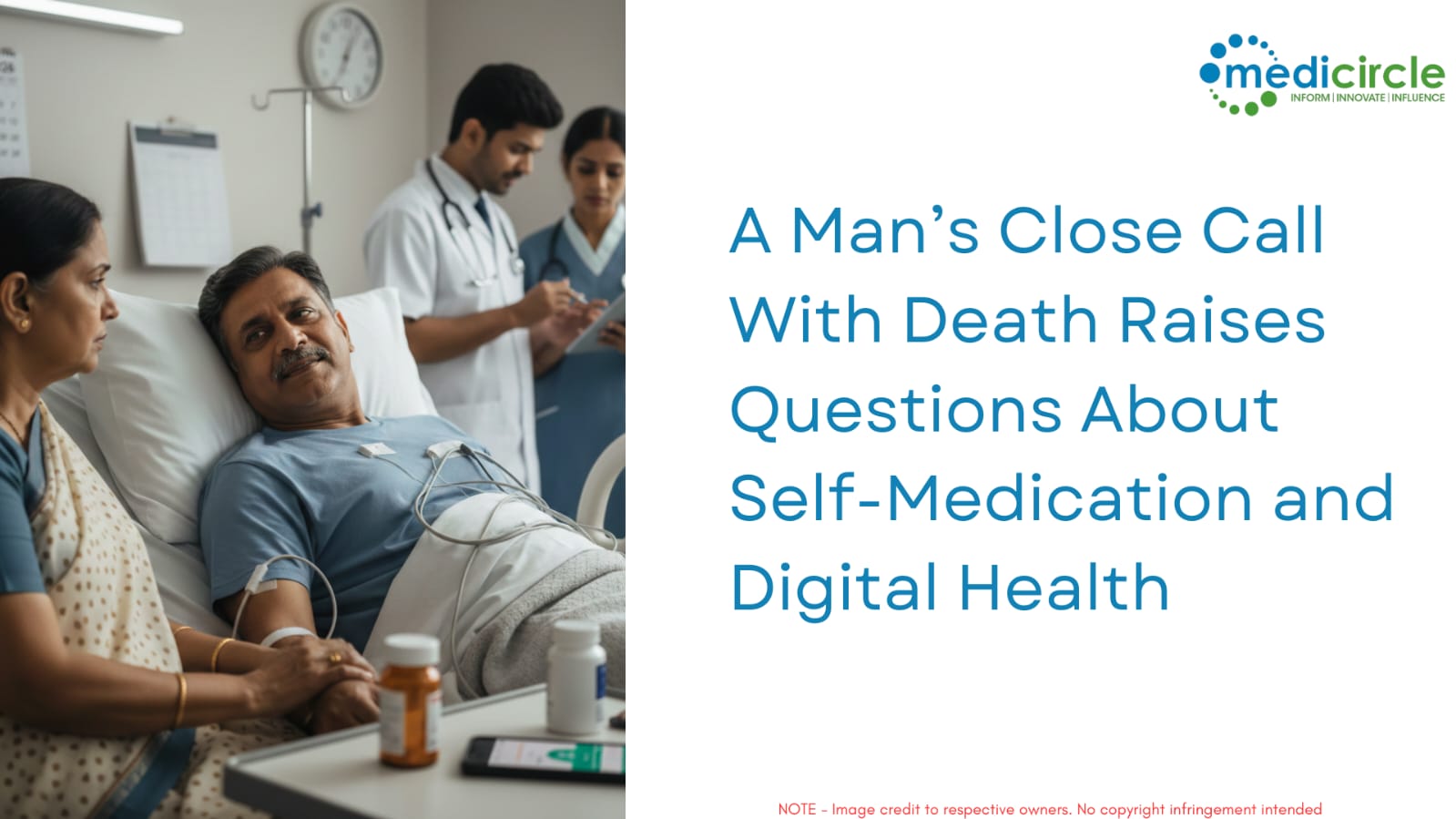
 The story of this 45 year old Delhi man is about the fragile line between information and treatment, convenience and care, technology and responsibility.




A 45-year-old man from Delhi is fighting for his life in a government hospital, not because of HIV, but because of a decision taken in panic, isolation, and misplaced trust. After a high-risk sexual encounter, he turned to an artificial intelligence chat platform for guidance instead of a doctor. Acting on what he read, he walked into a neighbourhood chemist, bought a full 28-day course of HIV post-exposure prophylaxis without a prescription, and began taking the medicines on his own. Within a week, his body began to revolt. Painful rashes appeared. His eyes became inflamed. His skin started peeling. What followed was a nightmare diagnosis: Stevens-Johnson syndrome, a rare and potentially fatal drug reaction that has now left him critically ill in the intensive care unit of Dr Ram Manohar Lohia Hospital.
For doctors treating him, the case is deeply troubling, yet increasingly familiar. Stevens-Johnson syndrome is a severe immune-mediated reaction, often triggered by medications, where the skin and mucous membranes blister and detach, exposing the body to infection, fluid loss, and organ failure. Managing it requires specialised care, burn-unit-like settings, and constant monitoring. Survival depends on early recognition and immediate withdrawal of the offending drug. In this case, the patient continued the medicines for seven days before symptoms became impossible to ignore. By then, the damage was already severe.
What has shocked doctors even more is how easily the man was able to access powerful antiretroviral drugs without medical oversight. HIV post-exposure prophylaxis, commonly known as PEP, is not a casual course of tablets. It is a tightly regulated emergency intervention meant to reduce the risk of HIV infection after a confirmed or strongly suspected exposure. National and international guidelines are clear. PEP must be started within 72 hours, prescribed only after a detailed risk assessment, baseline blood tests, evaluation of kidney and liver function, and counselling about side effects. Even after initiation, patients are monitored closely because antiretroviral drugs can cause serious adverse reactions, especially when used incorrectly or in outdated combinations.
In this case, doctors revealed that the medicines consumed by the patient are no longer routinely prescribed. Treatment protocols for HIV prevention have evolved over the years, favouring safer and more effective combinations. Yet the patient, relying on AI-generated advice and information of uncertain vintage, ended up taking a regimen that current clinicians would likely avoid. This gap between updated medical practice and unfiltered digital information proved dangerous.
The episode exposes a collision of three worrying trends in India’s healthcare landscape. The first is the continued over-the-counter availability of prescription-only drugs. Despite regulations, enforcement remains weak. Many chemists dispense potent medicines without prescriptions, driven by demand, competition, or simple complacency. Antiretroviral drugs, antibiotics, steroids, and psychiatric medicines often change hands with alarming ease. In the context of HIV, this is especially risky. Improper use can lead to severe side effects, drug resistance, and long-term public health consequences.
The second trend is the growing reliance on artificial intelligence platforms for medical advice. AI chat tools have become easily accessible, conversational, and confident in tone. For a worried individual facing a deeply personal and stigmatised situation, typing symptoms and fears into a chat box may feel safer than walking into a clinic. There is no judgement, no awkward questions, no perceived moral scrutiny. The responses often sound authoritative and reassuring. Yet these systems are not doctors. They do not examine patients, cannot order tests, and do not understand individual risk profiles. Most critically, they cannot take responsibility when something goes wrong.
Doctors at RML Hospital stressed that AI tools may have a role in spreading general health awareness, but they cannot replace clinical judgement. In high-risk scenarios such as HIV exposure, the margin for error is thin. Choosing the wrong drug, the wrong dose, or the wrong duration can turn prevention into catastrophe. Stevens-Johnson syndrome, though rare, is a known adverse reaction to several medications, including some antiretrovirals. Predicting who will develop it is difficult, which is why supervised use is essential.
The third issue highlighted by this case is the psychological vulnerability of patients navigating sexual health concerns. Fear, guilt, and stigma often push people towards secrecy. Instead of seeking timely medical care, many prefer anonymity, even if it means taking dangerous shortcuts. This is where the healthcare system must introspect. Are clinics accessible and non-judgmental enough? Is sexual health counselling integrated into routine care? Are people aware that prompt, confidential, and evidence-based help is available?
Experts warn that unsupervised use of HIV medicines can lead to more than just acute reactions. Long-term complications may include liver injury, kidney damage, metabolic disorders, and drug resistance. If resistance develops, future treatment options become limited and more expensive. In public health terms, indiscriminate use of antiretrovirals threatens years of progress in HIV control.
The patient’s journey before reaching RML Hospital also reveals cracks in the system. After developing rashes and eye problems, he reportedly visited multiple hospitals before being admitted. Stevens-Johnson syndrome is often misdiagnosed in its early stages as a simple allergy or viral rash. Delays in recognising the condition worsen outcomes. This highlights the need for greater awareness among frontline healthcare providers and the public about early warning signs of severe drug reactions.
At present, the man remains in critical condition. Doctors are focused on stabilising him, preventing infections, managing fluid balance, and protecting his eyes and internal organs. Recovery, if it happens, will be slow and may leave lasting scars, both physical and emotional. For his family, the ordeal has been devastating, compounded by the knowledge that this might have been preventable.
Beyond this individual tragedy lies a larger policy debate. Clinicians are calling for stricter enforcement of prescription regulations, especially for high-risk drugs. There is also a growing demand for clearer guidelines on the role of AI in healthcare. While banning information platforms is neither practical nor desirable, experts argue that there must be safeguards. AI-generated medical advice should come with prominent warnings, clear limitations, and strong encouragement to consult qualified professionals. Using AI for direct health interventions, particularly medication advice, without regulation could lead to more such cases.
India is rapidly embracing digital health, telemedicine, and artificial intelligence. These tools hold promise, especially in a country with vast gaps in healthcare access. Yet innovation without guardrails can be dangerous. Trust in technology should not come at the cost of patient safety. Medical decisions involve nuance, uncertainty, and accountability. They require human judgement shaped by training, experience, and ethics.
The story of this 45-year-old Delhi man is about the fragile line between information and treatment, convenience and care, technology and responsibility. As India stands at the junction of digital innovation and public health, cases like this force us to confront an uncomfortable truth. When medical advice is taken from a screen and medicines from a shop counter, without a doctor in between, the cost can be devastating






.jpeg)








.jpg)
.jpg)
.jpg)
.jpg)
.jpg)
.jpg)


.jpg)
.jpg)
.jpg)