 Thursday, October 08, 2026
 Every time an antibiotic is used without medical necessity, a fragment of its effectiveness fades. Every unnecessary prescription erodes its strength for future patients.




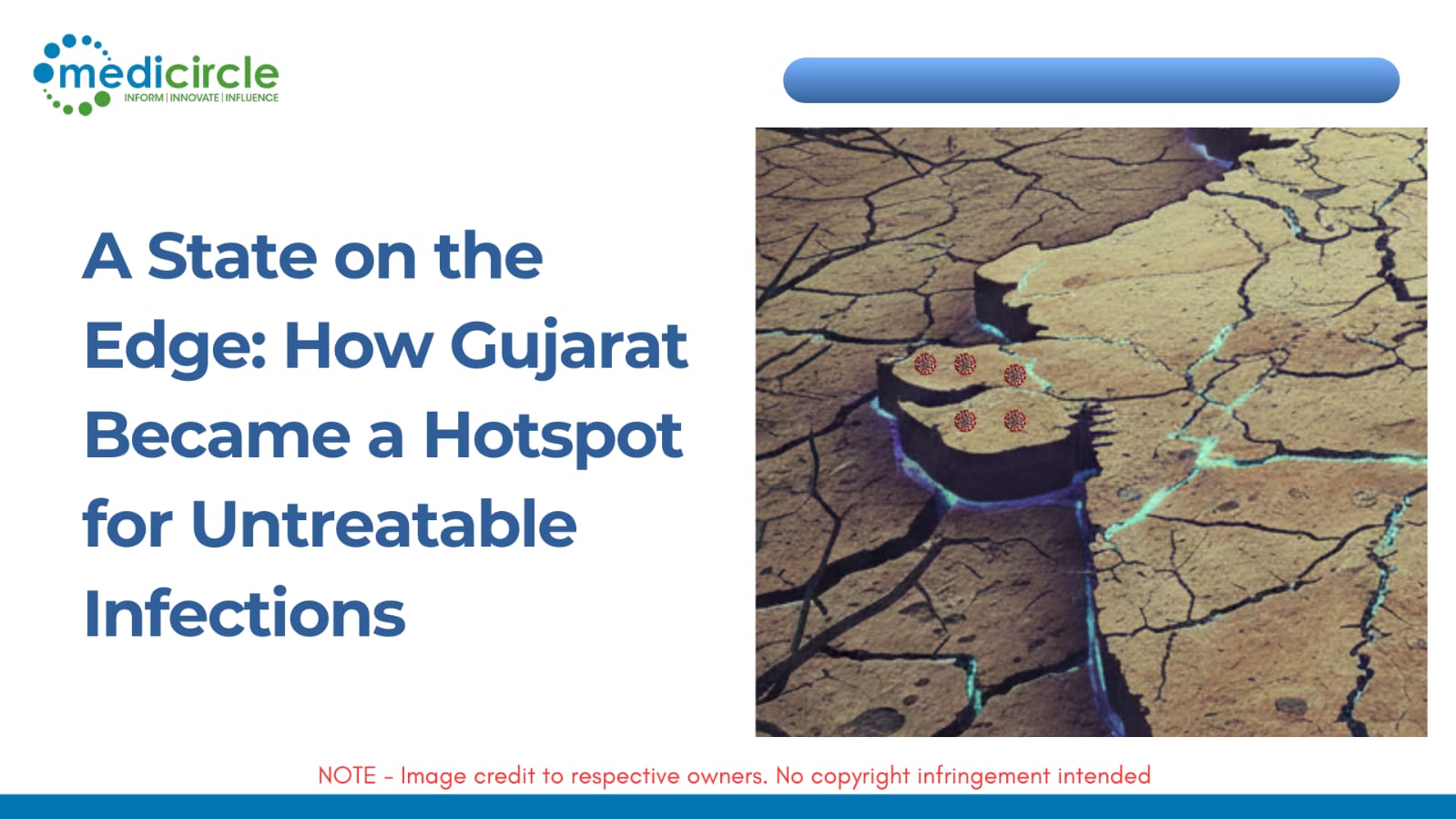
The story unfolding in Gujarat today is not one of a new virus, a surprise outbreak, or a fast-spreading epidemic. It is far more unsettling, far more familiar, and far more difficult to defeat. It is the story of antibiotics losing their power, of bacteria growing smarter, of treatments collapsing one after another, and of doctors standing at a frightening crossroads with fewer medicines that still work. Across hospitals and medical colleges in Gujarat, thousands of bacterial samples processed between January and November have revealed a truth that the healthcare community had feared for years. Out of all antimicrobial-resistant isolates studied this year, nearly 82 percent fall into domains that leave almost no room for therapeutic manoeuvre. These are bacteria that do not respond to routine antibiotics, or second-line medicines, or even the so-called “last-resort drugs” once believed to be strong enough to save even the sickest patients. Data generated by the Gujarat Biotechnology Research Centre shows around 7,000 resistant isolates emerging in less than a year. These microorganisms are classified as pan-drug-resistant or extreme drug-resistant, terms used when almost no antibiotic currently in use can offer a dependable cure.
This situation casts a long shadow on healthcare systems that depend heavily on effective antibiotics to perform even the most basic medical procedures. Without functional antibiotics, surgery becomes a gamble, cancer treatment becomes fraught with danger, and critical care turns into an arena where bacteria tighten their grip on already fragile patients.
The concerns resonated during the national launch of the second edition of India’s National Action Plan on Antimicrobial Resistance, which will steer the country’s strategy from 2025 to 2029. Union health minister J. P. Nadda described AMR as a major public-health challenge, a threat that requires coordinated action to safeguard future generations. He drew attention to how AMR undermines critical fields such as surgical recovery, oncology, and intensive care. These are areas where the margin for error is razor thin and where the presence of antibiotic-resistant bacteria can turn an otherwise manageable case into a life-threatening emergency.
Doctors in Gujarat echo this concern every day. They know the rising number of patients who do not respond to routine therapy, the increasing need for broad-spectrum antibiotics, the constant pressure to avoid combinations that may do more harm than good. The risks were never academic, they were real and daily. The growing resistance is tied closely to the way antibiotics are used across the state and across the country. Over time, antibiotics became tools for everything from severe infections to minor symptoms. Despite repeated caution, many individuals reach for antibiotics at the first sign of fever. In several clinics across India, antibiotics are offered as a measure of reassurance rather than medical necessity. For those living in rural regions, these medicines are sometimes purchased without a prescription, further widening the misuse that fuels resistance.
Overuse builds selective pressure, giving resistant bacteria an advantage over susceptible ones. Slowly but steadily, the bacterial population shifts. Instead of being dominated by easily treatable organisms, the environment becomes filled with resistant strains that thrive in human bodies, in hospital wards, in wastewater systems, in livestock, and even in fisheries. A public-health expert from Gujarat explained the importance of the One Health approach, which studies bacteria across human, animal, and environmental ecosystems. Resistant microorganisms do not stay confined to one space. A strain found in a hospital can show up in groundwater; another emerging from agricultural waste can make its way into human infections. Each setting creates a pathway for resistance to spread wider and deeper.
The need for surveillance across all these domains is clear. It is not enough to observe resistant infections in hospitals alone; understanding how resistant organisms circulate in soil, water, livestock, and food chains is essential. This broader view helps experts track mutations, identify hotspots, and predict outbreaks that may otherwise go unnoticed until they strike large populations. Meanwhile, antibiotic stewardship programs in hospitals aim to ensure that the right drug is prescribed at the right time for the right duration. But this effort faces hurdles. Many patients expect antibiotics for quick relief, unaware that this short-term comfort has long-term consequences. Some doctors feel pressured into prescribing antibiotics to avoid patient dissatisfaction, especially in busy outpatient departments where long explanations are not always feasible.
Every misuse strengthens bacteria. Every misguided prescription weakens the future of antimicrobial therapy. The consequences materialize in prolonged hospital stays, increased treatment costs, complications that spiral beyond control, and infections that refuse to improve. For vulnerable groups, the danger is even greater. People with weaker immune systems including older adults, newborns, individuals on cancer treatment, and patients undergoing surgery, find themselves trapped in a dangerous cycle. Common hospital-acquired infections such as catheter-associated urinary tract infections, ventilator-associated pneumonia, and central line-associated bloodstream infections become difficult to control once resistant strains take hold. These infections already challenge intensive-care teams, but when bacteria stop responding to available drugs, the risk multiplies. Recovery takes longer, complications rise, and even specialised care struggles to keep pace.
This reality pushes the healthcare community to seek newer therapies and revisit older antibiotics that had fallen out of favour due to toxicity concerns. But even these alternatives have limits. Modern medicine relies heavily on antibiotics that consistently work; once resistance undermines that reliability, the entire foundation of care begins to shake. Bacterial resistance also threatens large sections of society indirectly. If infections that were once simple to treat become stubborn and persistent, the fear of seeking timely medical help can rise, further widening the gap between early diagnosis and effective care. Communities with limited access to healthcare face a disproportionate burden. Without proper screening, awareness, and medical guidance, resistant infections silently grow in these pockets, spreading to new areas and seeding further outbreaks.
Gujarat’s alarming resistance numbers are a reminder that AMR does not emerge suddenly. It is the result of years of unchecked antibiotic use, lack of awareness among patients, self-medication, and fragmented regulatory enforcement. The challenge now is not to point fingers but to build systems that can withstand this growing threat. Public-health messaging must grow stronger, reaching both urban and rural populations. Pharmacies must be regulated more strictly to prevent over-the-counter antibiotic sales. Hospitals must expand stewardship practices and invest in diagnostic support to prevent unnecessary prescribing. Research must continue to track new patterns of resistance, identify high-risk regions, and explore options for alternative therapies.
Most importantly, individuals must understand that antibiotics are life-preserving resources, not everyday remedies. These drugs need protection, respect, and careful use. Every time an antibiotic is used without medical necessity, a fragment of its effectiveness fades. Every unnecessary prescription erodes its strength for future patients.
The threat unfolding in Gujarat is a warning for the rest of India. It signals what healthcare may look like if AMR continues unchecked with longer illnesses, failed treatments, and infections that outrun our most powerful medicines. The hope lies in acknowledging this crisis with urgency and determination. Antibiotics reshaped the future of healthcare when they first arrived. Preserving their power now requires a collective promise to use them wisely, protect them fiercely, and understand that once these medicines stop working, the world we take for granted may never look the same again.





.jpeg)








.jpg)
.jpg)
.jpg)
.jpg)
.jpg)
.jpg)


.jpg)
.jpg)
.jpg)