Tuesday, October 27, 2026
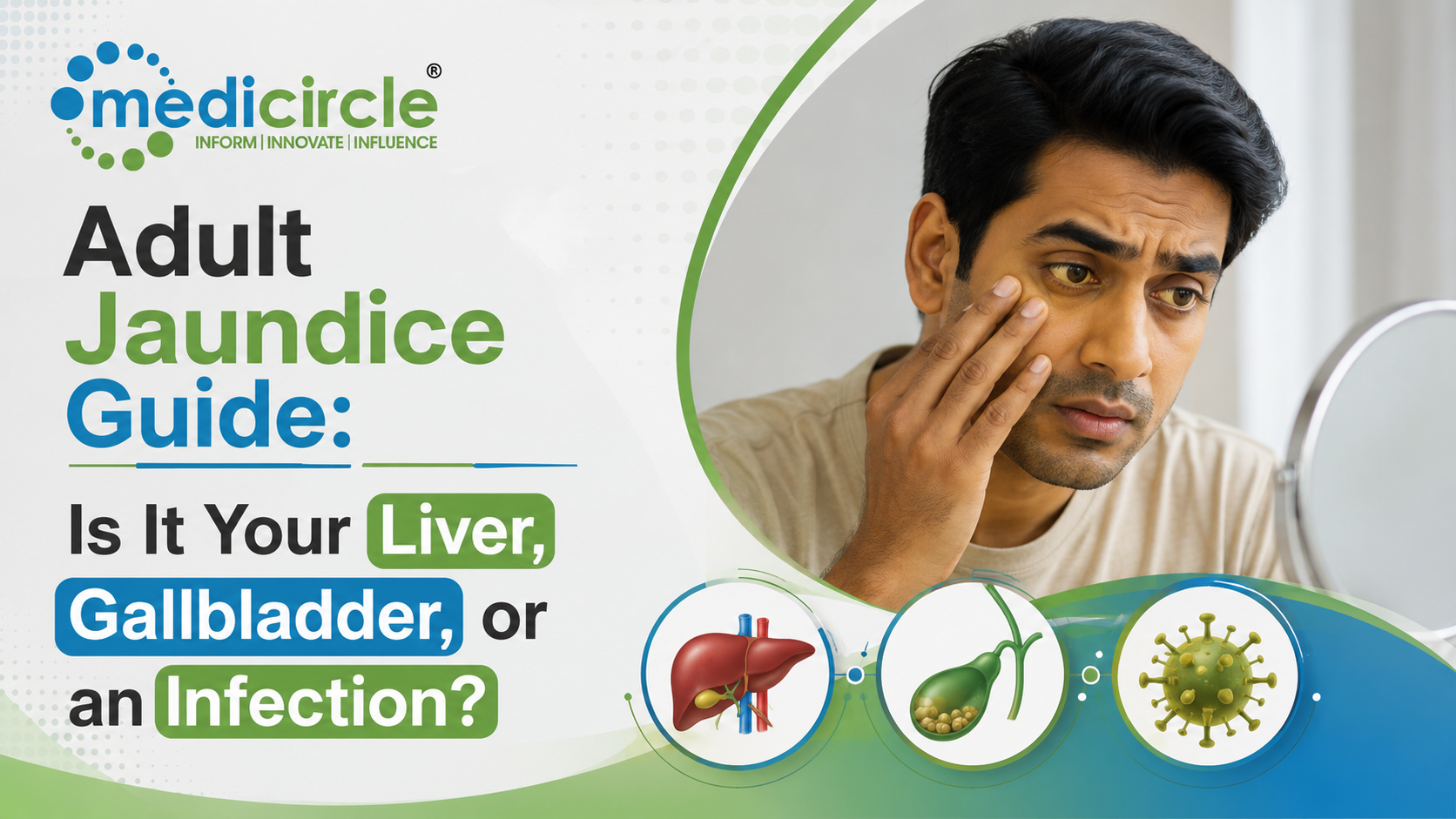
 Jaundice in adults is a visible symptom of underlying system disruptions. It stems from liver tissue damage, gallbladder obstructions, or systemic infections, requiring timely, expert medical evaluation for targeted treatment.




Jaundice in Adults: Liver, Gallbladder, or Infection?
Noticing a sudden yellowish tint in your eyes or on your skin can be an alarming experience. In the medical world, this physical transformation in adults is called jaundice. Many people across India immediately assume that a yellow complexion simply means their liver is a bit tired or overworked. However, the internal reality is usually far more intricate. It helps to understand that jaundice is not an independent illness. Instead, it acts as a highly visible warning light, signaling that your body's natural waste disposal system has encountered a major speed bump.
For adults, pinpointing the exact origin of this discoloration is the first step toward getting the right medical care. Our bodies rely on a smoothly coordinated, internal network to break down, process, and eliminate daily cellular waste. When a glitch happens anywhere along this pathway, jaundice is the direct result. Generally speaking, the root cause of the issue will fall into one of three distinct categories: functional damage to the liver tissue, a physical blockage inside the gallbladder or its drainage ducts, or a localized or systemic infection. Recognizing how these three factors differ is essential to understanding why you should always seek a professional medical diagnosis rather than relying on self-treatment.
How Jaundice Develops
To truly grasp why adults experience jaundice, we have to look at how the body manages the life cycle of its red blood cells. Your body is constantly working behind the scenes to refresh your blood supply. Old red blood cells naturally retire after about 120 days and are broken down by the spleen. A principal byproduct of this routine recycling process is a bright yellow pigment known as bilirubin.
In a healthy body, this raw bilirubin rides through the bloodstream straight to the liver. Your liver acts as a master processing hub, chemically altering the pigment to make it water-soluble so it can safely mix into bile, which is a crucial digestive juice. This bile is either stored inside the gallbladder or sent directly down through the bile ducts into your intestines to help digest dietary fats. Ultimately, it leaves the body naturally, which is what gives stool its familiar brown color.
Jaundice takes over whenever this carefully timed assembly line faces a disruption. If bilirubin cannot be processed or drained efficiently, it backs up into the bloodstream and leaks into the surrounding bodily tissues. This accumulation stains the skin, inner mouth linings, and the whites of the eyes yellow. Figuring out exactly where this system failed requires a closer look at the liver, the gallbladder plumbing, or potential infectious invaders.
How Liver Damage Starts
Since the liver serves as the main filtration plant for bilirubin, any underlying disease or sudden trauma to liver cells will instantly harm its processing capacity. When liver tissue becomes swollen, inflamed, or structurally altered, it simply loses the ability to strain the yellow pigment out of your circulation.
A major driver of liver-related jaundice among Indian adults today is fatty liver disease. Due to evolving modern dietary habits and more sedentary urban lifestyles, fat can accumulate silently inside the organ. Over time, this leads to non-alcoholic steatohepatitis, which is a condition marked by chronic inflammation and permanent tissue scarring.
Toxin exposure is another frequent culprit. Long-term, heavy alcohol use gradually destroys healthy liver cells, replacing them with stiff, non-functional scar tissue in an advanced stage called cirrhosis. Furthermore, the unmonitored use of certain over-the-counter medications, heavy metals, or even specific unverified herbal remedies can cause sudden, acute drug-induced liver injury. When the liver's physical infrastructure is overwhelmed by toxicity or blocked by extensive scarring, bilirubin has no choice but to flood back into your system.
Biliary Tract Blockages
Even when your liver functions perfectly and converts bilirubin into bile, that fluid still needs a clear path to the digestive tract. If the drainage network, consisting of the bile ducts, or the storage reservoir, which is the gallbladder, experiences a physical blockage, the bile gets trapped. It accumulates, backs up into the liver, and is forced back into the bloodstream. Doctors refer to this specific mechanical bottleneck as obstructive jaundice.
|
Biliary Issue |
What Happens inside the Body |
|
Gallstones |
Solidified crystals of cholesterol or pigments get stuck in the common bile duct, completely stopping the flow of bile. |
|
Bile Duct Strictures |
The drainage tubes narrow significantly due to previous surgeries, chronic inflammation, or physical trauma. |
|
Abnormal Growths |
Tumors in the pancreas or bile ducts compress the drainage system from the outside, creating a total blockage. |
Gallstones are incredibly common in adults and remain a leading cause of obstructive symptoms. If a stone migrates out of the gallbladder and wedges itself firmly inside the common bile duct, it acts exactly like a clog in a household pipe. This sudden backup causes a rapid yellowing of the skin, typically paired with a sharp, cramping pain in the upper right quadrant of your abdomen. If you leave this structural block unaddressed, the stagnant bile can quickly become a breeding ground for dangerous bacteria, turning a mechanical clog into a severe medical emergency.
Infectious Disease Impact on Liver
Infectious agents can compromise your bilirubin processing system from several angles at once. They can directly assault and damage your liver cells, cause your red blood cells to rupture prematurely, or trigger severe swelling along the bile drainage pathways.
Viral hepatitis remains a widespread public health issue throughout India. Hepatitis A and E are waterborne viruses that typically spread through contaminated food and drinking water, with cases often spiking during the monsoon season. These viruses spark sudden, intense liver inflammation, leading to rapid jaundice, deep exhaustion, and severe nausea. Conversely, Hepatitis B and C are bloodborne infections that can hide silently in the body for decades, slowly damaging liver architecture until noticeable symptoms finally emerge.
Beyond viral causes, certain bacterial and parasitic infections pose a significant threat. Tropical conditions like malaria and leptospirosis cause jaundice through entirely different mechanisms. Malaria parasites target and destroy red blood cells at an accelerated pace, flooding the bloodstream with a massive volume of raw bilirubin that overwhelms even a healthy liver. Leptospirosis, frequently contracted via water contaminated by animal urine, directly damages both liver and kidney tissues. When an infection is the root cause, the yellowing skin is almost always accompanied by high fevers, sudden chills, shivering, and intense muscle aches.
Identifying Vital Flag Signs
Paying attention to the secondary symptoms your body exhibits can help you figure out whether the source of the trouble is located in the liver, the gallbladder plumbing, or an active infection. Jaundice rarely happens in complete isolation; these accompanying signs act as roadmaps for medical professionals trying to diagnose the issue.
For example, when a gallstone or tumor blocks bile from reaching your digestive tract, your stool loses its normal brown pigment and starts appearing pale, clay-colored, or completely white. At the same time, your kidneys try to flush the excess water-soluble bilirubin out through your urine, turning it a deep, dark tea or cola color. Persistent, intense skin itching is another hallmark sign of obstructive jaundice, triggered when trapped bile salts accumulate right beneath your skin.
On the flip side, if your jaundice is caused by an active infection like malaria or acute hepatitis, the yellow skin will usually be preceded by a sudden fever, a complete loss of appetite, persistent nausea, and profound physical weakness. If the underlying cause is advanced liver scarring from chronic cirrhosis, an adult might notice gradual fluid retention and swelling in the legs, a noticeably bloated abdomen, and a tendency to bleed or bruise from minor bumps.
Accurate Diagnostic Steps
Because jaundice can point to so many different internal health challenges, trying to guess the cause or waiting for the yellow tint to simply wear off can lead to severe health risks. Relying on unverified home remedies or assuming it is just a mild liver delay can postpone vital care, especially if you are dealing with a hidden physical blockage or a fast-moving systemic infection.
A formal diagnosis always begins with a comprehensive physical examination and specialized blood panels known as a Liver Function Test. This test measures the precise amounts of different types of bilirubin, both direct and indirect, alongside key liver enzymes like ALT, AST, and Alkaline Phosphatase. Looking at the balance of these enzymes tells your doctor whether the primary issue is direct liver cell damage or a blockage in the biliary tract.
Once the blood work is complete, imaging studies are crucial to view the physical structures inside your abdomen. An abdominal ultrasound is almost always the first imaging step, giving doctors a clear view of any gallstones, dilated bile ducts, or structural changes like a fatty liver or cirrhosis. In more complicated cases, a specialist may order an advanced MRI scan called an MRCP to thoroughly map out the entire bile duct tree, ensuring no small structural block or tumor goes unnoticed.
Importance of Care
Jaundice in adults should never be treated lightly or managed with casual guesswork. Whether the true underlying cause is progressive liver disease, a stuck gallstone interrupting your digestive tract, or an acute viral infection, that yellow tone is a direct distress signal from your body’s internal filtration systems.
Making smart healthcare choices requires access to clear, reliable, and expert-backed information. Platforms like Medicircle play a vital role in modern health awareness by translating complex clinical realities into everyday language that anyone can understand. By providing trusted medical insights, expert opinions, and reliable health news, these platforms help individuals move past confusion and understand exactly what their bodies are trying to say.
When you or a loved one notices symptoms of jaundice, scheduling a timely evaluation with a qualified physician is the only safe option. Resolving the issue completely depends on identifying the exact source of the trouble, ensuring that your liver, gallbladder, or underlying infection gets the precise, targeted medical care required to restore your long-term health.
Frequently Asked Questions
Can a poor daily diet cause an adult to develop jaundice?
While eating an unhealthy meal will not cause sudden jaundice, a long-term diet packed with processed foods, excessive sugars, and unhealthy fats is a major contributor to fatty liver disease. Over time, this fat accumulation causes chronic inflammation and tissue scarring, which eventually stops the liver from filtering bilirubin properly, resulting in jaundice.
How can I tell if my jaundice is from an infection or a gallbladder block?
Infectious jaundice usually presents with systemic symptoms, including sudden high fevers, body chills, persistent nausea, and profound fatigue. Gallbladder obstructions, like a stuck gallstone, are mechanical issues; they are generally characterized by sharp, severe pain in the upper right side of your stomach, dark urine, pale stools, and intense skin itching, typically without an initial fever.
When should adult jaundice be treated as a medical emergency?
While any sign of jaundice requires a prompt doctor's visit, it becomes an emergency if the yellowing skin is accompanied by a very high fever with shaking chills, unbearable abdominal pain, confusion, extreme drowsiness, or black, tarry stools. These symptoms point to serious complications like a spreading bile duct infection or acute liver failure.
Why does jaundice cause severe skin itching?
When something blocks the normal flow of bile through your gallbladder or bile ducts, excess bile salts back up into your bloodstream. These salts eventually settle right beneath your skin, where they irritate local nerve endings. This irritation triggers a persistent, intense itch that cannot be relieved by standard anti-itch lotions or creams.
Jaundice in adults is a visible symptom of underlying system disruptions. It stems from liver tissue damage, gallbladder obstructions, or systemic infections, requiring timely, expert medical evaluation for targeted treatment.





-23-300x250.png)

.jpeg)


.jpg)
.jpg)
.jpg)
.jpg)
.jpg)
.jpg)
.jpg)
.jpg)
.jpg)