Friday, October 23, 2026
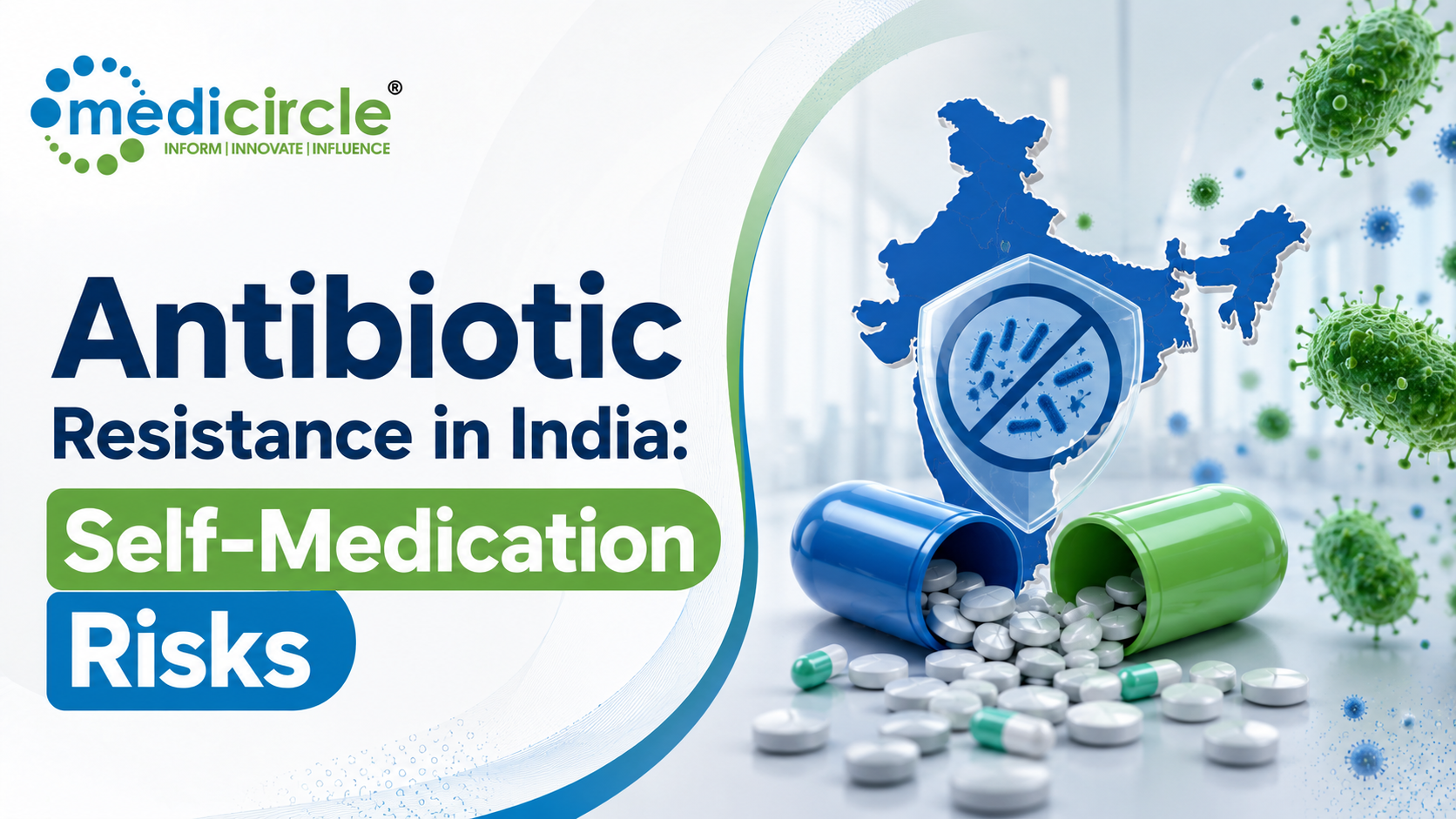
 Antibiotic misuse through self-medication in India drives a severe healthcare crisis. Buying these drugs without a prescription triggers gut health damage and fuels dangerous, drug-resistant superbugs.





Antibiotic Misuse in India: Why Self-Medication Can Be Dangerous
It is a familiar scene in Indian households when someone wakes up with a scratchy throat, a nagging cough, or a sudden fever. Instead of booking a proper doctor appointment, they head straight to the local pharmacy. They might ask the chemist for a couple of loose capsules or look through the medicine cabinet for leftovers from a previous illness. This choice is fast, cheap, and spares you a wait at the clinic. However, this deeply ingrained habit is creating a massive, silent healthcare crisis across the country.
The widespread practice of purchasing medicines without a valid clinical recommendation directly accelerates antibiotic resistance in India. When individuals bypass medical professionals, they unknowingly consume powerful drugs for conditions that do not require them. This uncontrolled consumption patterns across the country make standard treatments ineffective. Addressing this behavior is essential to preserve the power of essential medicines and protect public health.
Antibiotics are among the greatest achievements of modern medicine, but they are built for one specific enemy, which is bacteria. They are completely useless against viruses. Because these medicines are so easy to get, many people take them for seasonal flu, common colds, and routine viral infections. Using these targeted drugs without a professional diagnosis does not just delay proper recovery. It forces your body to face serious, unintended health risks. To protect our families and communities, we need to take a closer look at what happens when we bypass the prescription of the doctor.
Causes of Self-Medication
The tendency to self-treat with antibiotics stems from several economic and cultural factors unique to India. First and foremost is the high cost of healthcare. For millions of people, paying the consultation fee of a doctor for a common ailment feels like an unnecessary expense, especially when a quick trip to a neighborhood store offers a cheaper, immediate alternative.
The term antibiotics over the counter represents a substantial challenge in the local retail market. Many consumers look for these medications directly from shops to skip the institutional wait times and diagnostic bills. This pattern is particularly common in semi-urban and rural areas where formal medical centers are sparse.
Convenience also plays a massive role. Even though strict regulations like Schedule H and H1 are on the books to prevent pharmacies from selling antibiotics without a note from the doctor, enforcement is highly inconsistent. In many areas, anyone can walk into a local pharmacy, describe a basic symptom, and walk away with heavy broad-spectrum medications like Azithromycin or Amoxicillin with zero questions asked.
Finally, there is the issue of overconfidence based on past experiences. If a specific red and yellow capsule cured a lung or throat issue last year, we naturally assume it will work for a similar cough today. This shortcut cuts out the essential diagnostic steps needed to pinpoint whether your current sickness stems from a bacterium, a virus, or something else entirely.
Bacteria versus Viruses
To see why self-medication backfires, it helps to look at how different germs are structured. Bacteria are independent, living, single-celled organisms. They can thrive in the soil, in water, and inside our bodies. Antibiotics are designed to kill these cells by tearing down their outer walls or halting their ability to reproduce.
Understanding the phrase antibiotic uses and side effects is critical before consuming these heavy agents. Each drug targets specific bacterial pathaways, which means a medication meant for a skin infection will not work for a urinary tract issue. Using a random pill disrupts cellular systems without clearing the actual disease.
Viruses operate in a completely different way. They are essentially tiny packages of genetic material that cannot survive or multiply without hijacking the living cells of a host. Because their biological makeup has nothing in common with bacteria, antibiotics cannot touch them.
When you take an antibacterial medication to fight off a viral condition like a standard seasonal cold, the drug circulates through your system with no target to attack. It does absolutely nothing to ease your symptoms or shorten your illness. Instead, it unnecessarily exposes your vital organs and internal systems to powerful chemical compounds.
Danger of Wrong Dosages
Most people who buy antibiotics over the counter do not have the training to know exactly how much to take or how long to take it. The single most common mistake is stopping the medication early. The moment a fever drops or a sore throat eases up, which usually happens around day two or day three, many patients stop taking the pills. They mistakenly think they are protecting their bodies from taking too much medicine.
This is a dangerous misconception. The first few doses of an antibiotic generally wipe out the weakest bacteria, which makes you feel better. However, the strongest, most resilient bacteria are still alive and fighting. If you cut the treatment short, these surviving germs learn from the encounter, mutate their genetic structure, and multiply. When the infection returns a few days later, it is far more aggressive, and the original antibiotic will no longer work against these battle-tested strains.
On the flip side, taking an incorrect dose that is too low fails to clear the infection at all. Taking a dose that is too high places immense stress on your liver and kidneys, which are responsible for filtering out medications from your blood.
Impact on Gut Health
No medication is entirely free of risk, and antibiotics are incredibly potent. When a qualified doctor writes a prescription, they evaluate your medical history, your age, and your weight to make sure the benefits outweigh the potential harms. Self-medicating leaves you completely blind to these variables.
The human gut is home to trillions of beneficial microbes that are vital for digestion, smooth metabolism, and a strong immune system. Unfortunately, antibiotics cannot tell the difference between a dangerous pathogen causing an illness and the friendly bacteria keeping your stomach healthy.
Unchecked use of these drugs acts like a wildfire in your digestive tract, wiping out your healthy microbiome. This frequently triggers painful stomach cramps, bloating, nutritional deficiencies, and severe diarrhea. In more serious instances, unguided use can trigger sudden, life-threatening allergic reactions, including severe skin rashes and breathing failures.
Crisis of Superbugs
The consequences of antibiotic misuse stretch far beyond individual stomach aches or prolonged recoveries. It is fueling a global medical emergency known as Antimicrobial Resistance. Every time an antibiotic is used incorrectly, we give bacteria a free lesson in how to survive our best medicines. Over time, this survival process creates superbugs.
The threat of antimicrobial resistance in India has reached alarming levels in tertiary care hospitals. Pathogens that cause routine hospital infections are becoming non-responsive to advanced medical lines. This issue deepens when the community continuously uses front-line drugs without proper clinical guidance.
Superbugs are mutated strains of bacteria that have evolved to become completely immune to standard antibiotic treatments. When these resistant bacteria cause an illness, simple conditions like a routine urinary tract infection, a minor skin scrape, or a mild bout of pneumonia suddenly turn life-threatening.
Treatments that used to require a few inexpensive tablets from the local pharmacy now demand long, expensive hospitalizations, highly toxic intravenous therapies, and experimental last-resort drugs. India currently faces some of the highest rates of drug-resistant infections in the world. This makes everyday medical advancements, such as routine surgeries, Caesarean sections, cancer chemotherapy, and care for newborns, incredibly dangerous because we are running out of effective medicines to prevent infections during these procedures.
Rules for Protection
Reversing this dangerous trend requires a shift in how we view everyday medications. We can protect our health and keep these vital drugs working by following a few clear, non-negotiable guidelines.
Consult Healthcare ProfessionalsAvoid taking medical advice from neighbors, relatives, or quick internet searches. Even if your current symptoms feel identical to an illness you had a few months ago, only a clinical examination or diagnostic test can confirm what is actually making you sick right now.
Finish the CourseIf your doctor tells you to take a medication for a full five or seven days, follow those instructions exactly. You must finish the course even if you feel completely back to normal by the third day. Finishing the entire supply ensures that every single harmful bacterium is destroyed, leaving no survivors behind to mutate.
Do Not ShareNever save extra capsules for a future illness, and never hand them out to a family member who seems to have the same symptoms. A drug that is safe and effective for you could cause severe organ toxicity or a dangerous allergic reaction in someone else based on their unique health profile.
Frequently Asked Questions
Can I use antibiotics to treat a severe cold or a sudden seasonal flu?
No. The common cold, influenza, and the vast majority of acute throat infections are caused by viral strains. Antibiotics only destroy bacteria. Taking them for a viral infection will not reduce your fever, clear your congestion, or speed up your recovery.
Is it okay to stop my antibiotic course early if my symptoms have disappeared?
No, it is highly risky. Stopping your medication early allows the strongest, most resilient bacteria to survive and multiply. This often causes the infection to come back much stronger and makes the bacteria completely resistant to that specific medication.
What should I do if I forget to take a scheduled dose?
Take the missed dose as soon as you remember it. However, if your next scheduled dose is only a few hours away, skip the missed one entirely and continue with your regular timing. Never double your dose to make up for a missed tablet.
Why antimicrobial resistance is considered a threat to everyone?
Drug-resistant bacteria do not stay contained within the body of one person. They spread through communities, food systems, and water supplies. If you catch a drug-resistant strain, standard, affordable medicines will not work for you, even if you personally have never misused an antibiotic in your life.
Choosing Safe Healthcare
Saving a little time or money by skipping a clinic visit is never worth the long-term damage caused by unguided antibiotic use. True healing requires an accurate diagnosis, a personalized treatment plan, and proper clinical oversight. By choosing to consult a doctor instead of looking for a quick fix at the pharmacy counter, you protect the vital gut health of your body, avoid dangerous drug interactions, and help preserve life-saving medicines for the future. Staying informed and relying on qualified medical professionals are the most powerful choices we can make to build a healthier, safer India.
Abstract:
Antibiotic misuse through self-medication in India drives a severe healthcare crisis. Buying these drugs without a prescription triggers gut health damage and fuels dangerous, drug-resistant superbugs.





-23-300x250.png)

.jpeg)


.jpg)
.jpg)
.jpg)
.jpg)
.jpg)
.jpg)
.jpg)
.jpg)
.jpg)