Tuesday, October 27, 2026
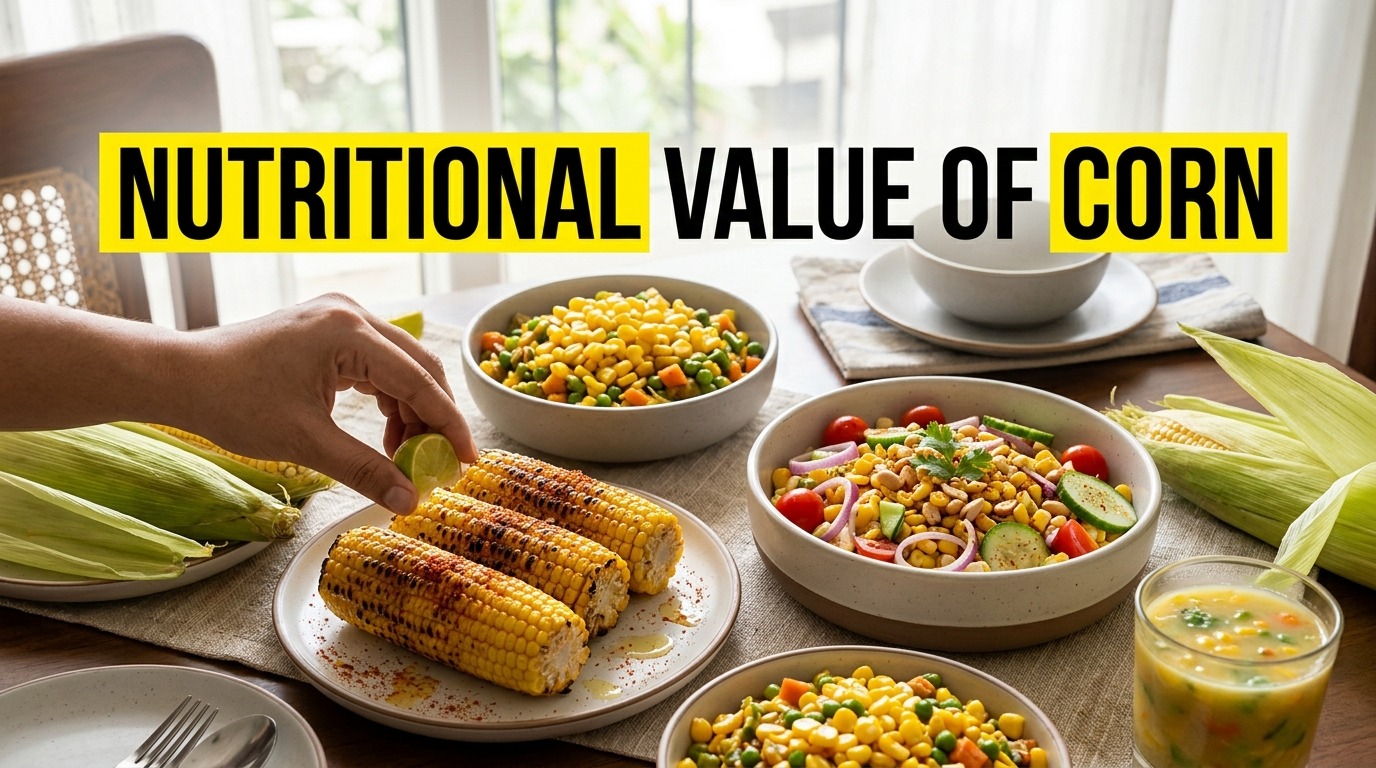
 Understanding the nutrients in corn and how different forms like boiled corn nutrients and canned options affect health helps improve dietary choices. Including corn as a gluten-free, fiber-rich food supports digestion, energy balance, and overall gut health naturally.




Corn is one of the most widely consumed grains across the world, yet many people overlook its actual nutritional value. When people ask if corn is healthy food or wonder corn is it healthy, the answer depends on how it is consumed, processed, and combined with other foods. Understanding the nutrients in corn, including boiled corn nutrients and canned corn nutrients, helps clarify its role in everyday diets and how it supports overall health.
What Nutrients Are Found in Corn and Why They Matter
Corn contains a mix of carbohydrates, fiber, vitamins, and plant compounds that contribute to its nutritional profile. When people ask corn has what nutrients, the answer goes beyond just energy. It includes dietary fiber, essential vitamins, and antioxidants that support digestion and overall well-being.
The nutrients found in corn primarily include carbohydrates, which provide energy, along with moderate amounts of protein and small amounts of fat. Corn also contains vitamins such as B-complex vitamins that help in energy metabolism. The presence of dietary fiber plays an important role in digestion by supporting gut movement and reducing discomfort.
Corn also contains plant compounds that act as antioxidants. These compounds help protect cells from everyday stress caused by environmental and dietary factors. While corn is often seen as a simple food, its nutritional composition shows that it contributes more than just calories.
Different varieties like white corn and yellow corn may have slight variations in nutrient content. Yellow corn, for example, contains more carotenoids, which support eye health. These variations highlight how corn adapts to different dietary needs.
Boiled Corn Nutrients vs Canned Corn Nutrients: What Changes and Why
The way corn is prepared has a significant impact on its nutritional value. Comparing boiled corn nutrients with canned corn nutrients helps understand how processing affects the food.
Boiled corn retains most of its natural nutrients because it is cooked in a simple way without added preservatives. The boiled corn nutrients include fiber, vitamins, and natural sugars that provide energy without excessive processing. This makes boiled corn a preferred choice for those looking for minimally processed food.
On the other hand, canned corn nutrients may differ slightly due to preservation methods. While canned corn still contains essential nutrients, it may include added sodium or preservatives. The nutrients in canned corn remain beneficial, but the overall balance depends on how the product is processed.
In real-life scenarios, people often choose canned corn for convenience, especially in busy lifestyles. However, understanding these differences helps in making informed decisions. For example, using canned corn in salads or quick meals can still be beneficial if balanced with fresh ingredients.
The key takeaway is not to avoid canned corn entirely but to understand its role in a balanced diet. Both forms have their place depending on availability, time, and dietary preferences.
Corn Cob Nutrients and the Value of Whole Corn Consumption
Eating corn directly from the cob offers a slightly different experience compared to processed forms. The corn cob nutrients are similar to whole corn but are often consumed in a less processed state, which helps preserve natural components.
When corn is eaten fresh from the cob, it retains its original structure. This means the fiber content remains intact, supporting better digestion. The nutrients in sweet corn are more noticeable in this form because the natural sweetness and texture are preserved.
Whole corn consumption also encourages slower eating. This allows the body to process food more efficiently, improving digestion and nutrient absorption. In contrast, processed corn products may be consumed quickly, reducing this benefit.
From a practical perspective, eating corn on the cob is often associated with outdoor meals or simple home cooking. It reflects a more natural approach to eating, where food is consumed in its original form rather than heavily processed.
Is Corn Healthy to Eat: Understanding the Real Answer
The question corn healthy to eat does not have a simple yes or no answer. It depends on how corn fits into an individual’s overall diet and lifestyle.
Corn is considered a gluten-free grain, making it suitable for people who avoid gluten. Its carbohydrate content provides energy, which is particularly useful for active individuals. However, the same carbohydrate content may need to be balanced for those managing weight or blood sugar levels.
The nutrients in sweet corn support digestion and provide energy, but portion size and preparation method matter. For example, corn cooked with excessive butter or oil changes its nutritional profile.
In everyday diets, corn is often used in different forms such as boiled corn, roasted corn, or as part of dishes in Asian cuisine and other global cooking styles. These variations show how corn adapts to different dietary patterns.
Understanding these nuances helps answer the question corn is it healthy in a more practical way. Corn is healthy when consumed in balanced portions and prepared thoughtfully.
How Corn Supports Digestion and Gut Function
Corn plays a meaningful role in digestion due to its fiber content and structure. The dietary fiber in corn helps regulate bowel movement and supports gut health.
Fiber works by adding bulk to food, which helps the digestive system process it more efficiently. This reduces the chances of discomfort and supports regular digestion. In real-life scenarios, people who include fiber-rich foods like corn often experience better digestive balance.
Corn also supports the gut microbiome indirectly. While it is not a probiotic food, its fiber content acts as a supportive element for beneficial bacteria. This contributes to overall gut stability.
Another important aspect is how corn is consumed. Whole forms like boiled corn or corn on the cob provide more fiber compared to processed corn products. This highlights the importance of choosing the right form for digestive benefits.
Real-World Ways to Include Corn in Daily Diet
Corn is versatile and can be used in multiple ways across different cuisines. Understanding how to cook with corn helps in making it a practical part of daily meals.
Practical Ways to Use Corn in Everyday Meals- Adding sweet corn to salads improves texture and nutrition
Using Sweet corn in salads adds both flavor and nutritional value. It combines well with vegetables and light dressings, making it a practical option for balanced meals. This approach also supports easy digestion while maintaining variety in the diet. - Using corn in simple home cooking supports balanced meals
In indian cooking and other traditional styles, corn is often used in simple dishes that are easy to digest. These methods focus on minimal processing, which helps retain the natural nutrients in corn. - Incorporating corn into soups and light meals enhances comfort
Corn-based soups provide warmth and are easy to digest. They are often used in Asian cuisine, where light cooking methods preserve nutrients and improve digestion.
Understanding Corn Variations and Their Uses
Corn is not a single type of food but includes different varieties such as white corn, yellow corn, and Field corn. Each type has a different use.
Sweet corn is commonly consumed directly, while field corn is often used for processed products like corn flour or starch. The presence of Starch in corn makes it a major source of carbohydrates, which provide energy.
Corn is also used to produce Corn oil, which is commonly used in cooking. While corn oil provides energy, its use should be balanced with overall dietary needs.
These variations show how corn fits into different parts of the food system, from direct consumption to processed products.
Benefits and Limitations of Corn in Daily Nutrition
Corn offers several benefits, but it also has certain limitations that need to be understood.
Balanced View of Corn in Diet- Corn provides steady energy through carbohydrates
The Carbohydrates in corn make it a reliable energy source. This is particularly useful for people with active lifestyles who need sustained energy throughout the day. - Fiber supports digestion and gut balance
The presence of fiber helps maintain digestive health and supports regular bowel movement. This contributes to overall well-being. - Processed corn products may reduce nutritional quality
While whole corn is beneficial, processed forms may lose some nutrients. This highlights the importance of choosing less processed options. - Portion control is important for balanced intake
Corn is energy-dense, so consuming it in moderation helps maintain balance in the diet.
Conclusion
Corn is more than just a simple grain. Understanding the nutrients in corn, including boiled corn nutrients and canned corn nutrients, helps in making informed dietary choices. Its role in digestion, energy, and daily meals makes it a valuable addition when used thoughtfully.
By focusing on whole forms and balanced preparation, corn can support both nutrition and overall well-being. The key lies in how it is included in the diet rather than avoiding it completely.
Frequently Asked Questions (FAQs)
1. Is sweet corn good for daily consumption?Yes, Sweet corn can be included in daily meals when eaten in balanced portions. It provides energy through Carbohydrates and supports digestion due to its dietary fiber content. When prepared with minimal oil and combined with other foods, it becomes a practical and easy to digest option for everyday nutrition.
2. Does corn support gut health and digestion?Corn supports digestion mainly because of its dietary fiber, which helps regulate bowel movement and maintain balance in the gut microbiome. Including whole corn in meals can improve digestion and reduce discomfort over time.
3. Can corn be part of a gluten-free diet?Yes, corn is naturally gluten-free, making it suitable for people who avoid gluten-based foods. It can be used as an alternative grain in various recipes while still providing energy and supporting digestion.
4. Is boiled corn better than processed corn products?Boiled corn is generally considered more beneficial because it retains its natural nutrients in corn and is less processed. Compared to products high in Starch, whole corn offers better balance and supports digestion more effectively.
5. How does corn help in providing energy?Corn is rich in Carbohydrates, which act as a steady source of energy for the body. This makes it useful for people who need sustained energy throughout the day while maintaining a balanced diet.
6. Are corn-based oils healthy for cooking?Corn oil is commonly used in cooking and provides energy, but it should be used in moderation. Combining it with a low-fat diet approach helps maintain balance and prevents excessive intake of fats.
7. What is the role of corn in traditional cooking styles?Corn is widely used in indian cooking and Asian cuisine, where it is prepared in simple and balanced ways. These cooking methods often focus on preserving nutrients and making the food easy to digest.
8. Can corn help reduce acidity and indigestion?Certain forms of corn act as mild natural antacids, helping to reduce acidity. When included as easy to digest meals, corn can support digestive comfort and reduce irritation.
9. Is corn suitable for people with sensitive digestion?Yes, when consumed in simple forms like boiled or lightly cooked dishes, corn can be part of a bland diet. Its fiber content and mild nature make it suitable for individuals looking for gentle digestive support.
10. How can corn be included in healthy meals without causing heaviness?Corn can be added to salads, soups, or light dishes to improve nutrition without making meals heavy. Pairing it with prebiotic foods and maintaining a low-fat diet helps ensure better digestion and overall balance.





-23-300x250.png)

.jpeg)





.jpg)
.jpg)
.jpg)
.jpg)
.jpg)
.jpg)
.jpg)
.jpg)
.jpg)