 Thursday, October 08, 2026
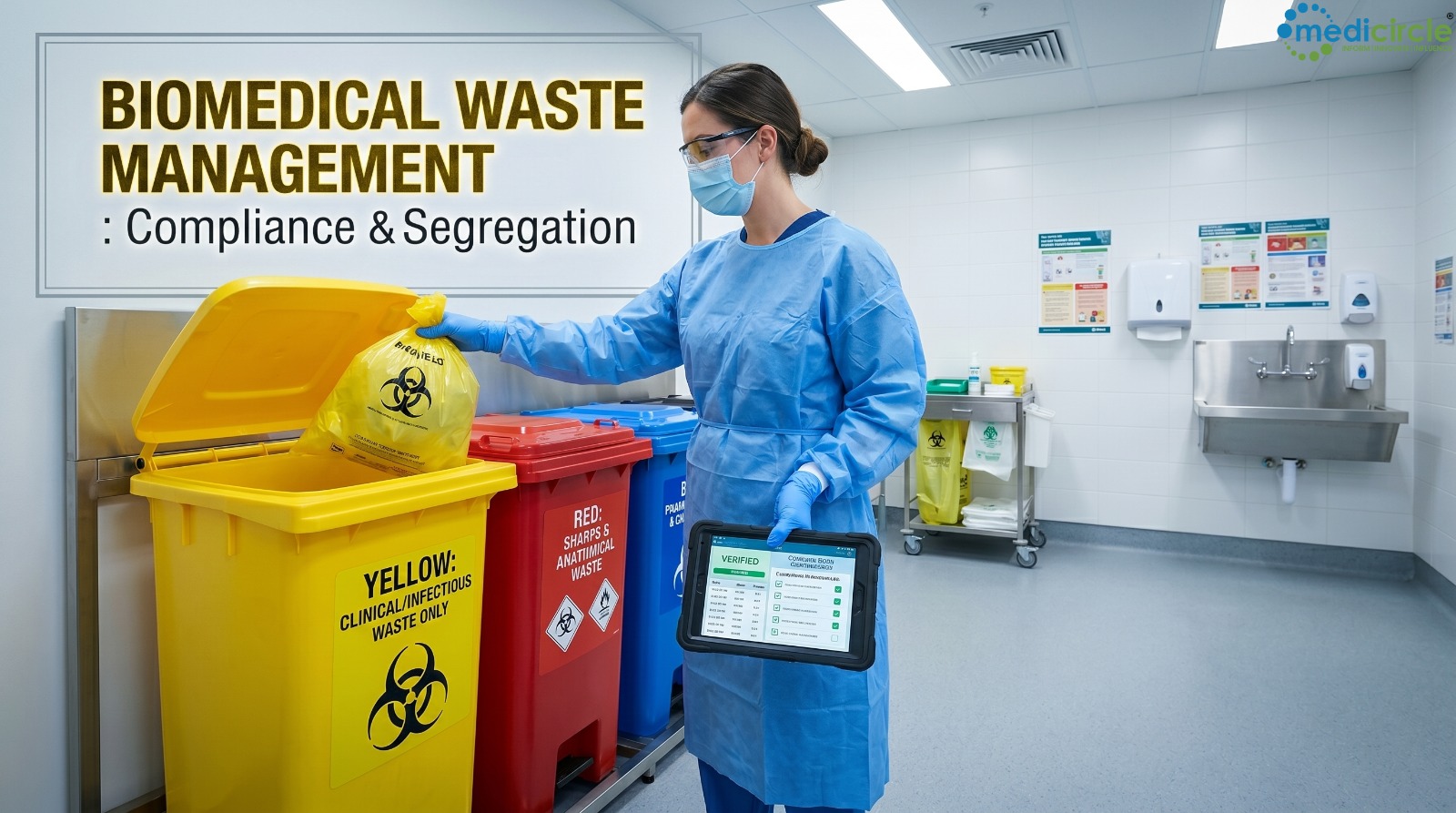
 Effective biomedical waste management is essential for safe healthcare delivery, ensuring proper biomedical waste disposal and minimizing risks to public health. Strong compliance systems and practical strategies help improve hospital waste management outcomes and sustainability.




Biomedical Waste Management: Why It Matters Beyond Compliance
Understanding Biomedical Waste in Real Healthcare SettingsBiomedical waste management refers to the systematic handling of waste generated during diagnosis, treatment, or immunization. While definitions often sound technical, the reality is far more practical—every injection, dressing, or laboratory test produces waste that must be handled responsibly.
In a busy hospital ward, for example, waste is generated continuously:
- Used syringes after vaccinations
- Blood-soaked dressings from minor procedures
- Laboratory samples and culture plates
Without proper medical waste management, these everyday outputs can create operational inefficiencies and environmental concerns.
Types of Biomedical Waste and Their Practical Relevance
Categories You Actually See in HospitalsHealthcare workers deal with multiple waste types daily, each requiring different handling:
- Pathological waste: tissues, organs, or body parts
- Sharps: needles, scalpels, blades
- Infectious waste: contaminated dressings and materials
- Pharmaceutical waste: expired or unused medicines
These fall under biomedical hazardous waste, which needs careful processing to ensure safe biomedical disposal waste practices.
Why Classification Matters in Practice
Proper categorization is not just regulatory—it affects workflow. For instance, a nurse disposing of a syringe must immediately decide its correct container. This is where structured hospital waste segregation becomes essential.
Biomedical Waste Segregation: The Foundation of Effective Management
Segregation is the most critical step in biomedical waste management in hospital systems. Errors at this stage cannot be corrected later.
- Color-coded system simplifies decision-making
Yellow bags are used for infectious waste, red for recyclable contaminated plastics, and white containers for sharps. This system ensures quick identification during busy clinical hours. - Segregation reduces treatment burden
When waste is properly separated, only hazardous material undergoes intensive processing, making bio waste disposal more efficient. - Improves safety for healthcare workers
Correct disposal minimizes accidental injuries and exposure, especially during handling and transport.
This is why biomedical waste segregation is often emphasized as the backbone of the entire system.
Biomedical Waste Management Process: From Generation to Disposal
Step-by-Step Flow in Real SettingsThe journey of waste involves multiple stages:
- Generation at point of care
- Segregation into appropriate containers
- Temporary storage in designated areas
- Collection and transport
- Treatment and final disposal
Each step contributes to safe medical waste disposal, ensuring that waste does not re-enter the environment improperly.
Role of Treatment Facilities
Many hospitals rely on a common bio medical waste treatment facility where waste is processed using methods like incineration or autoclaving. This centralized approach improves efficiency and compliance.
Compliance and Regulations in Biomedical Waste Management
Understanding Regulatory FrameworksIn India, bio medical waste management 2022 guidelines emphasize strict adherence to segregation, labeling, and disposal protocols. These regulations are designed to standardize hospital medical waste management practices across facilities.
Practical Compliance in HospitalsCompliance is not just about documentation—it affects daily operations:
- Maintaining proper labeling on biomedical waste bags
- Ensuring timely hospital waste removal
- Training staff regularly on updated protocols
Hospitals that integrate compliance into routine workflows tend to perform better in both safety and efficiency.
Challenges in Biomedical Waste Management
Despite clear guidelines, implementation often faces real-world constraints.
Operational Challenges
- Inconsistent segregation practices
During high patient load, staff may skip proper sorting, affecting downstream processes. - Limited infrastructure in smaller facilities
Not all healthcare centers have access to advanced biomedical waste management services. - Training gaps among staff
New or temporary staff may not be fully aware of correct protocols.
Environmental and Logistical Concerns
- Transport delays can affect biomedical waste collection
- Improper storage may compromise safety
- Over-reliance on centralized facilities can create bottlenecks
These issues highlight the complexity of managing waste management medical waste systems effectively.
Role of Technology and Innovation
Modern solutions are gradually improving biomedical waste management systems.
Digital Tracking SystemsBarcoding and GPS tracking help monitor waste movement from hospitals to treatment facilities, improving accountability.
Improved Treatment MethodsAdvanced technologies in bio medical waste treatment plant setups allow safer and more efficient processing, reducing environmental impact.
Best Practices for Hospitals and Clinics
Instead of focusing only on rules, practical implementation is key.
- Train staff regularly with real-life scenarios
Demonstrations work better than theoretical instructions, especially for handling sharps and infectious waste. - Ensure easy access to correct disposal containers
Placement of bio medical waste container units at point of care reduces errors. - Monitor and audit waste handling practices
Regular checks help identify gaps in hospital waste management early.
Future Outlook of Biomedical Waste Management
Healthcare systems are evolving, and so is waste management. Increased awareness, stricter regulations, and better infrastructure are shaping more efficient biomedical waste management systems.
The focus is gradually shifting from basic disposal to sustainable practices, ensuring long-term environmental balance.
Conclusion: Bridging Compliance and Practical Implementation
Effective biomedical waste management is not just about following rules—it is about integrating safe practices into everyday healthcare workflows. From proper biomedical waste segregation to efficient disposal systems, each step plays a role in maintaining safety and operational efficiency.
By addressing real-world challenges and improving awareness, healthcare facilities can build systems that are both compliant and practical.
FAQs
- What is biomedical waste management?
Biomedical waste management involves the collection, segregation, treatment, and disposal of waste generated in healthcare settings to ensure safety and compliance.
- Why is biomedical waste segregation important?
Biomedical waste segregation ensures that hazardous and non-hazardous waste are handled correctly, reducing risks and improving disposal efficiency.
- What are the main types of biomedical waste?
Common types include pathological waste, sharps, infectious materials, and pharmaceutical waste.
- How is biomedical waste disposed of?
Biomedical waste disposal involves processes like incineration, autoclaving, and chemical treatment, often at specialized facilities.
- What are biomedical waste management rules in India?
The bio medical waste management 2022 rules outline segregation, labeling, transport, and disposal standards for healthcare facilities.
- What challenges affect hospital waste management?
Challenges include improper segregation, lack of infrastructure, and training gaps in hospital waste management systems.
- What is a biomedical waste treatment facility?
A common bio medical waste treatment facility processes waste from multiple hospitals using standardized methods.
- How can hospitals improve waste management practices?
Training staff, ensuring proper segregation, and using appropriate containers improve medical waste management.
- What is biomedical hazardous waste?
Biomedical hazardous waste includes materials that can pose health or environmental risks if not handled properly.
- Is biomedical waste management important for small clinics?
Yes, even small clinics must follow proper bio waste disposal practices to ensure safety and compliance.






.jpeg)








.jpg)
.jpg)
.jpg)
.jpg)
.jpg)
.jpg)


.jpg)
.jpg)
.jpg)