 Tuesday, October 27, 2026
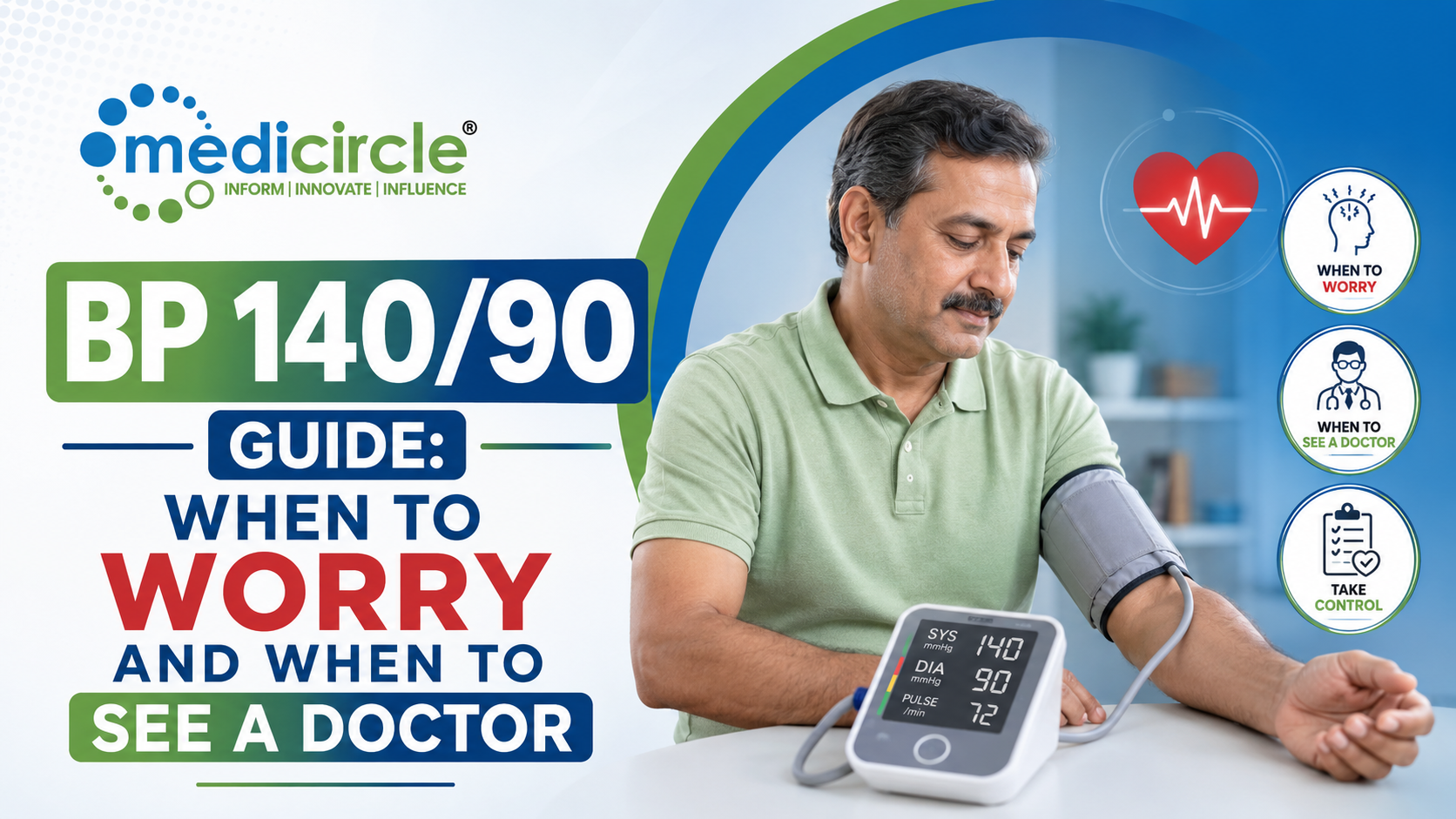
 A blood pressure reading of 140/90 mmHg sits exactly on the borderline of Stage 1 hypertension, providing a highly valuable wart health.





BP 140/90 Guide: When to Worry and When to See a Doctor
Finding out that your blood pressure is 140/90 mmHg can feel incredibly alarming. Whether you noticed it on a home digital monitor or during a routine health check at a neighborhood clinic, seeing these specific numbers often triggers an immediate wave of anxiety. It is completely natural to wonder if you are facing a medical emergency, dealing with a temporary spike due to stress, or looking at the beginning of a lifelong condition. To manage your cardiovascular health effectively, it helps to understand what this measurement actually tells us about your body.
Blood pressure is simply the measurement of the force that your blood exerts against the walls of your blood vessels as your heart pumps it around. The higher number, or systolic pressure, captures this force during a heartbeat. The lower number, or diastolic pressure, records the pressure when your heart rests between those beats. A reading of 140/90 mmHg sits exactly on the borderline of high blood pressure, which means your cardiovascular system is working harder than it ideally should. Understanding this transition is vital to mastering high blood pressure symptoms and management.
Medical Classifications
To understand why a 140/90 mmHg reading matters, we must look at how medical professionals categorize blood pressure measurements. For a healthy adult, an optimal reading typically stays at or below 120/80 mmHg. When your numbers slowly creep upward and consistently land between 120/80 mmHg and 139/89 mmHg, you are in the elevated or prehypertension phase. This phase serves as an early warning that your arteries are beginning to experience extra strain.
Once your numbers touch 140 mmHg on top or 90 mmHg on the bottom, you have officially reached Stage 1 hypertension. Medical guidelines look at both numbers independently. If even one of them hits or passes this threshold, the classification applies. This milestone does not mean you are in immediate danger, but it is a clear physical message from your body that your blood vessels are facing sustained resistance, making it the perfect time to intervene proactively with targeted high blood pressure treatment strategies.
Evaluating Single Readings
It is crucial to remember that a single reading of 140/90 mmHg does not equal a definitive medical diagnosis of hypertension. Human physiology changes constantly throughout the day, and your blood pressure shifts up and down based on your immediate environment, thoughts, and physical actions. Because our bodies are so responsive, a doctor will rarely base a medical diagnosis on one isolated test result.
Many everyday situations can cause your numbers to spike temporarily. For example, rushing through traffic to make it to your appointment on time, walking up a steep flight of stairs right before your arm is cuffed, or feeling nervous in a clinical environment, which is often called white coat syndrome, can easily push your reading to 140/90 mmHg. Even minor habits like having a strong cup of chai, eating a very salty meal, or dealing with an argument right before a checkup can elevate your numbers for a short period. True hypertension is only confirmed when your blood pressure stays consistently high across multiple readings taken over several weeks under calm, resting conditions.
Assessing Your Risk
While you should not panic over a 140/90 mmHg reading, you should not ignore it either. The level of urgency depends heavily on your background health profile, your family history, and whether you are experiencing other physical warning signs alongside the high reading.
If you already manage underlying health conditions such as type 2 diabetes, chronic kidney disorders, or pre-existing heart complications, a reading of 140/90 mmHg requires prompt attention. In these scenarios, even a mild elevation can accelerate strain on your internal organs. Expectant mothers must also treat a 140/90 mmHg reading with a high degree of caution, as a sudden rise in blood pressure during pregnancy can signal serious conditions like preeclampsia, requiring immediate evaluation by an obstetrician to keep both mother and baby safe.
Red Flag Symptoms
High blood pressure is famous for being a silent condition because a reading of 140/90 mmHg rarely causes any obvious discomfort on its own. However, if your elevated reading happens alongside any of the following physical symptoms, it transitions from something you can monitor at home to something that requires immediate medical care:
- A severe, unusually heavy headache, particularly focused at the base of your skull
- Spells of dizziness, vertigo, or a sudden loss of balance
- Unexpected shortness of breath or tightness in your chest during light activity
- Unexplained blurred vision or temporary visual blind spots
- Sudden nosebleeds or a highly noticeable, racing heartbeat
Modern Indian Lifestyles
Across urban and semi-urban India, instances of elevated blood pressure have risen sharply over the last few decades. This shift is deeply tied to changing daily habits, including long hours spent sitting at office desks, high levels of career stress, and highly irregular sleep cycles. When your blood pressure lands at 140/90 mmHg, it is often a silent reflection of these combined daily pressures building up over time.
Dietary patterns play an equally massive role in how our blood vessels behave. Modern convenience foods have introduced high amounts of hidden sodium into our daily meals through processed snacks, commercial spice mixes, and traditional items like papads and commercial pickles. When we consume excess salt, our bodies retain extra fluid, which increases the total volume of blood our hearts must pump. When this high-sodium diet is combined with a lack of regular physical exercise, our blood vessels naturally stiffen, making it much easier for our readings to get stuck at the 140/90 mmHg mark.
Consulting Your Doctor
If you monitor your blood pressure at home and notice that your numbers routinely stay around 140/90 mmHg for several days in a row, the most practical step is to set up a consultation with your primary physician. Your doctor can help look at the bigger picture and figure out if these readings are a passing phase or a sign of persistent hypertension.
During your visit, your healthcare provider will look beyond the numbers on the screen. They will evaluate your family medical history, check your kidney and metabolic health through routine blood work, and look at your cholesterol levels. To get a perfectly accurate view of your daily trends, they might ask you to keep a structured home log for a couple of weeks or suggest a 24-hour ambulatory blood pressure monitor. This detailed approach ensures that any advice you receive matches your specific bodily needs.
Lowering Your Numbers
Discovering that you are at Stage 1 hypertension is actually an ideal window of opportunity. At this early phase, deliberate improvements to your daily routine can dramatically lower your numbers, frequently allowing you to manage and reverse the trend without needing prescription medication at all.
Smart Dietary Changes
Adjusting what you put on your plate is one of the fastest ways to ease the pressure on your arteries. Focus on reducing your overall salt intake by cutting back on heavily processed foods and leaving the salt shaker off the dining table. Instead, fill your meals with whole grains, fresh seasonal vegetables, pulses, and potassium-rich options like bananas, coconut water, and leafy greens, which naturally help your blood vessels relax and widen. Adopting a structured high blood pressure diet plan is a cornerstone of recovery.
Exercise and Relaxation
Committing to just 30 minutes of moderate exercise five days a week can transform your heart health. Simple, accessible activities like brisk walking around your neighborhood, cycling, or swimming make your heart muscle stronger and more efficient, allowing it to pump blood with far less strain. At the same time, prioritizing stress reduction through simple breathing techniques, yoga, or protecting your seven to eight hours of nightly sleep stops your body from overproducing stress hormones that drive blood pressure upward. These lifestyle changes for high blood pressure are highly effective toolsets.
Conclusion
A blood pressure reading of 140/90 mmHg should not be treated as a source of fear, but rather as an incredibly valuable wake-up call. It gives you an early, highly manageable window of opportunity to take a closer look at your lifestyle, cut out hidden stressors, and work alongside medical professionals to protect your long-term heart health. By keeping a calm eye on your numbers, balancing your diet, staying active, and seeking professional checkups when needed, you can successfully guide your blood pressure back into a healthy range. Taking charge of your vascular health today is the single best way to ensure an energetic, vibrant, and healthy future.
Frequently Asked Questions
Q1: Should I rush to the hospital if my blood pressure is 140/90?
A1: No, a reading of 140/90 mmHg on its own is not an immediate medical emergency. It is an early indicator that your numbers need tracking and attention. You only need urgent emergency care if this reading comes with severe symptoms like chest pain, severe breathlessness, or a sudden, blinding headache.
Q2: Can a bad day at work or an anxious moment push my BP to 140/90?
A2: Absolutely. Sudden stress, intense anxiety, lack of sleep, or even temporary physical exhaustion can cause your body to release hormones that temporarily raise your blood pressure to 140/90 mmHg or higher. Once you calm down and rest, your numbers will typically drop back to normal.
Q3: How many times should I check my readings before booking a doctor's visit?
A3: It is highly effective to measure your blood pressure twice a day, which means once in the morning before breakfast and once in the evening, for roughly five to seven days. Write down these numbers while sitting quietly and share this log with your doctor for a much more accurate assessment.
Q4: Does a 140/90 reading mean I will have to take pills forever?
A4: Not necessarily. For Stage 1 hypertension without other major complications like diabetes or kidney issues, doctors almost always recommend trying lifestyle, dietary, and exercise changes for a few months first. Medication is typically introduced only if those changes are not enough to lower the numbers.
Q5: Will chugging a few glasses of water quickly fix a high blood pressure reading?
A5: While staying well-hydrated is essential for healthy circulation, and drinking water can help if you are mildly dehydrated, it is not an instant cure or a long-term treatment for chronic high blood pressure.
A blood pressure reading of 140/90 mmHg sits exactly on the borderline of Stage 1 hypertension, providing a highly valuable wake-up call and an early, manageable window of opportunity to protect your long-term heart health.





-23-300x250.png)

.jpeg)






.jpg)
.jpg)
.jpg)
.jpg)
.jpg)
.jpg)
.jpg)
.jpg)
.jpg)

