Tuesday, October 27, 2026

 Patient-centric ecosystems use thoughtful technology and compassionate workflows to personalize care, improve communication, and ensure patients feel seen, heard, and supported beyond diagnoses and administrative processes.




Step inside any government hospital in Chennai or a private clinic in Pune, and the rhythm of the day is predictable. Corridors remain crowded from morning until evening. Telephones ring without pause. Doctors shift from one cabin to the next with barely a moment to breathe. Nurses spend hours buried in registers and files. Meanwhile, the person who arrived with an illness or an ache sits quietly on a plastic chair. Their hands hold a stack of reports. Their eyes follow every white coat that passes by. Indian healthcare has never lacked skilled professionals or advanced treatments. But somewhere between the writing of a prescription and the handing over of a bill, the human being behind the illness tends to fade into the background. The system treats the fever, the fracture, the infection. Whether it treats the person carrying those conditions remains a separate question altogether.
Where the Disconnect Begins:
For many years, a good hospital was defined by visible markers of success. Renowned surgeons attached to the institution. Imported machines standing in clean rooms. A waiting area that stayed full throughout the day. Those indicators served as proof of quality. But the Indian patient walking through those doors today carries a different set of expectations. They have already searched their symptoms on a phone. They have consulted relatives across multiple cities through voice notes and forwarded messages. They have compared treatment costs and success rates before selecting this particular doctor. They arrive not just seeking a cure, but seeking clarity. They want to understand what is happening inside their own body. They want honesty about risks and recovery time. What they receive instead is a consultation that rarely crosses seven or eight minutes. In that short window, the doctor glances at the report, enters notes into a system, and extends a slip toward the counter. No one pauses to ask whether the patient lives alone or has support at home. No one inquires about the affordability of the medicines prescribed. The fear sitting in the chair remains unspoken and also unnoticed.
The Silent Software:
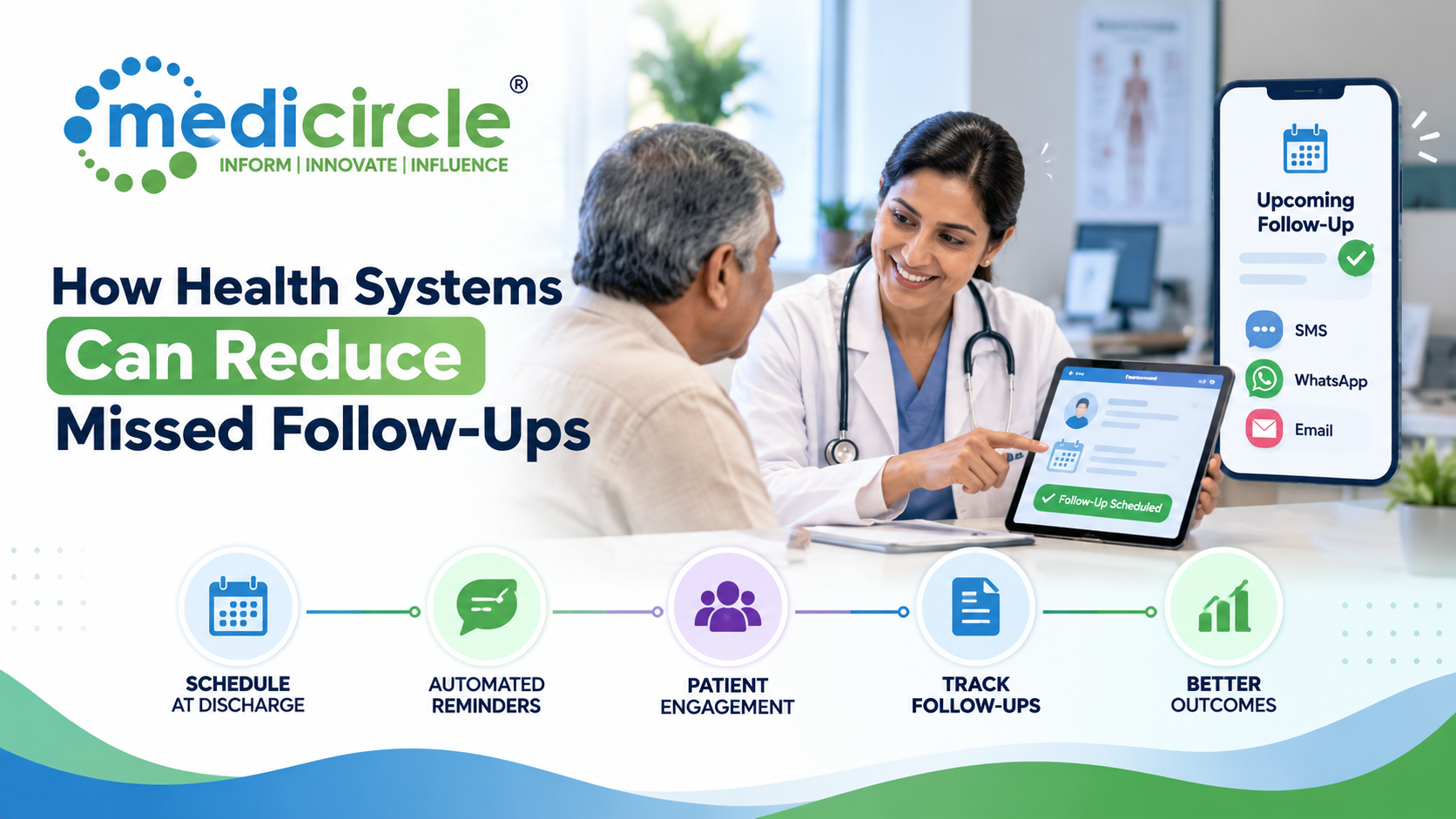
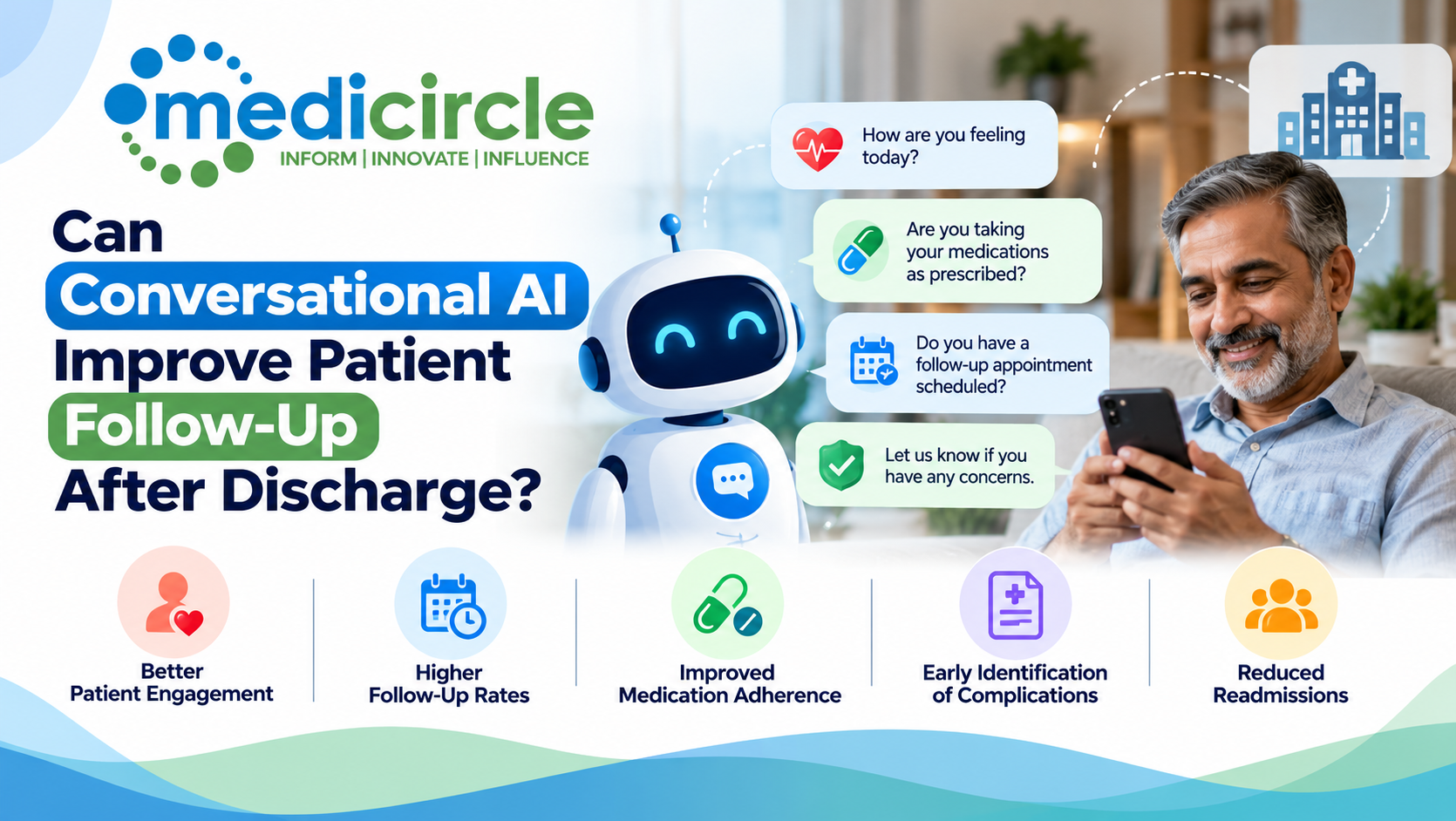
No doctor wakes up in the morning intending to rush through patients or overlook emotional distress. The reality is far more mundane and far more exhausting. A physician practicing in a tier-two city may attend to more than one hundred individuals in a single shift. The human mind, however sharp, was never designed to retain that volume of personal detail. Goodwill and dedication cannot manufacture extra hours in the day. This gap between intention and execution is where thoughtful technology finds its purpose. Platforms like those featured on Medicircle do not position themselves as replacements for the medical professional. They function instead as quiet assistants. A properly implemented digital system does far more than store patient names and previous prescriptions. It draws connections that a tired mind might miss. It flags the diabetic patient who has not returned for a scheduled check-up in eight months. It alerts the nursing station that the elderly gentleman in room seven has no family member listed for pickup after discharge. It sends a brief text message in simple Hindi to a factory worker in Faridabad, reminding him that his child’s vaccination is due next Tuesday.
None of these actions make headlines. But together, they communicate something essential. The system noticed. The system remembered.
Trust in Small Acts:
A persistent myth surrounds the introduction of software into healing spaces. Many believe that screens and algorithms drain the warmth out of medicine. Experience on the ground suggests otherwise. The true enemy of compassionate care is not automation. It is exhaustion. A nurse who spends forty minutes manually entering data into a register has little energy left to hold the hand of a frightened young patient. A doctor whose afternoon is consumed by paperwork cannot maintain steady eye contact while explaining a diagnosis. A well-designed digital ecosystem does not steal the human moment. It actively returns that moment to the people who need it. Consider the pediatrician in Nagpur who now receives automated dosage calculations and vaccine schedules. She can sit facing the mother instead of the monitor. She can explain the importance of the measles shot in Marathi, using everyday words, pausing to check whether anything remains unclear. That exchange, unhurried and human, is what builds trust. No machine can manufacture it. But the right tools can create the space for it to grow.
The Heavy Price:
A patient who does not feel comfortable speaking rarely leaves the hospital satisfied. They simply leave quietly. They do not ask about the total cost of the surgery because they are afraid the question will mark them as difficult. They do not admit to missing doses of medication because they are embarrassed by their own forgetfulness. They do not mention that the pain has shifted from the lower back to the hip because they do not want to waste the doctor’s time. All of this remains inside. And all of it carries consequences. A condition that could have been managed with early intervention advances to a more serious stage. A family spends its savings on hospital bills without ever understanding what drove the expenses so high. A woman walks out of the clinic still unsure whether her symptoms were taken seriously. The silence of the patient is not peace. It is a gap through which care leaks away.
Redesigning Care Around:
What would a truly patient-centric healthcare system look like in the Indian context? It would not require every hospital to install the latest gadgets or hand tablets to every visitor. It would require something far more difficult. It would require attention to the ordinary moments that most institutions overlook. It means a receptionist who refrains from snapping at an elderly villager struggling to fill a form in English. It means a discharge summary written in language that a person with five years of schooling can follow without assistance. It means a digital health record that travels with a domestic worker when she moves from Delhi to Jaipur and needs to transfer her reports to a new clinic. It means that when a patient finally leaves the hospital premises, they do not feel abandoned. These are not grand visions. They are basic acts of consideration. And yet, they remain absent from many healthcare experiences across the country.
Conclusion:
India possesses the necessary components for a responsive and respectful healthcare system. The country has an abundance of skilled doctors. It has hospitals equipped to handle complex procedures. It has affordable technology capable of streamlining operations and improving communication. What continues to elude many institutions is something harder to quantify. It is attention. Genuine attention. The kind that registers the hesitation in a patient’s voice when they ask about the side effects of a medicine. The kind that remembers a face and a name without requiring the file to be opened first. Indian medicine has long excelled at treating the disease lodged in the body. The next challenge lies in treating the person who inhabits that body. Not merely the vital signs on the monitor, but the unspoken fears carried in the chest. When a hospital manages to extend that level of regard to every individual who walks through its doors, it ceases to be merely a facility. It becomes a place where healing is not just administered, but genuinely felt.





-23-300x250.png)

.jpeg)
.jpg)
.jpg)
.jpg)
.jpg)
.jpg)
.jpg)
.jpg)
.jpg)
.jpg)