 Thursday, October 08, 2026
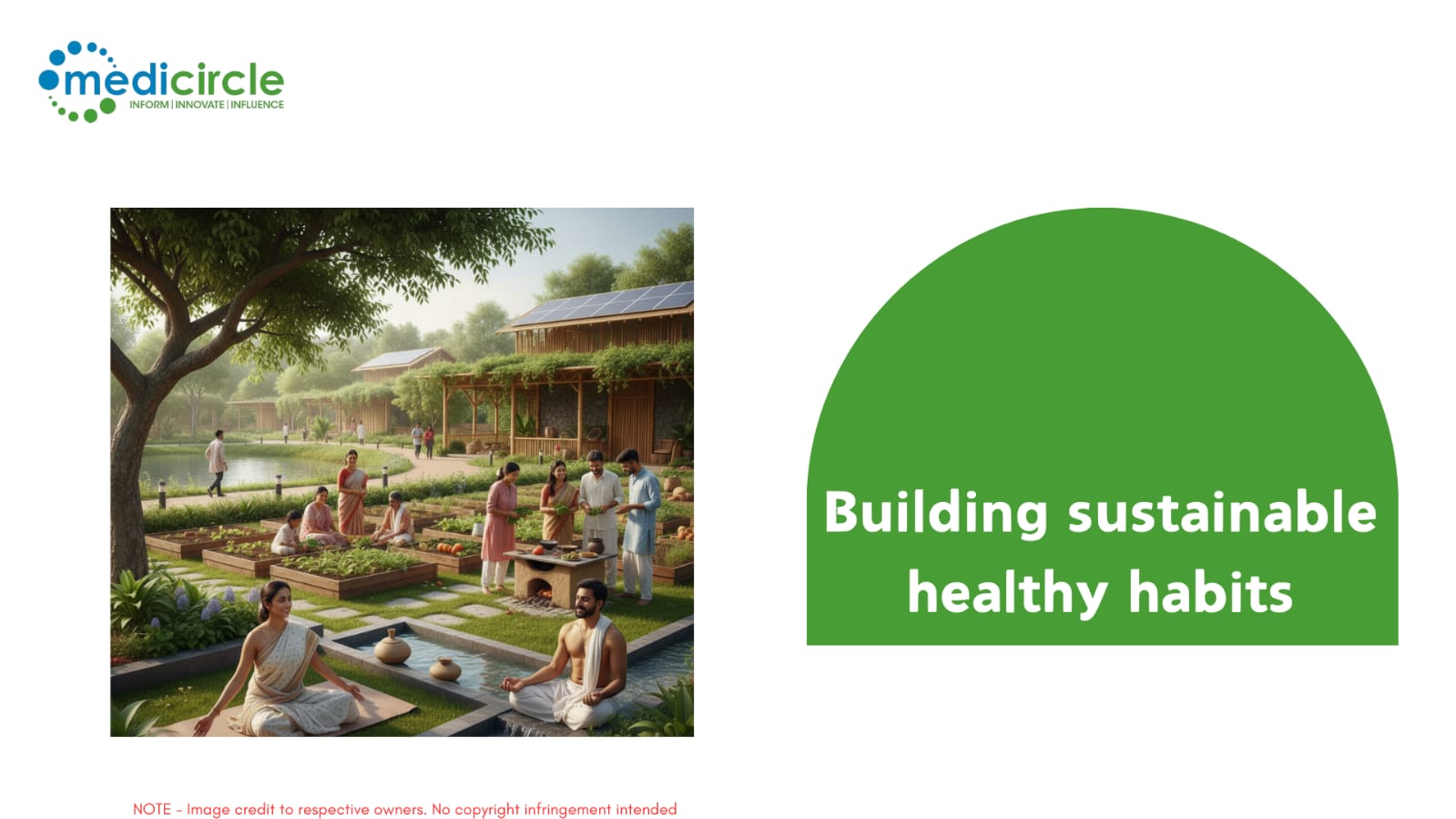
 Sustainable healthy habits grow from small, consistent daily actions, balanced eating, good sleep, mental space, and self-compassion, helping people build lasting health without relying on willpower or perfection.




Many people have experienced the cycle of starting a new health routine with great enthusiasm, only to see that commitment fade over time. A New Year begins with a resolution to visit the gym daily, or a Monday morning starts with a strict new diet. The initial energy and determination feel powerful. However, the demands of daily life inevitably return. Motivation gradually diminishes, much like daylight fading in the evening. Soon enough, former routines reestablish themselves, often accompanied by feelings of personal disappointment. This common experience raises a simple question. Why does this pattern repeat so frequently? The answer often lies in a fundamental confusion. We mistakenly believe that sheer willpower alone can create a lasting habit. Authentic and enduring change rarely originates from large, exhausting actions. Instead, it develops gradually from the minor, straightforward decisions we make and repeat each day.
Consider health from a different perspective. Health is not a faraway destination to finally reach. It is the pathway you travel every single day. The objective is not to run at full speed until you become exhausted. The true goal involves finding a rhythm you can sustain indefinitely, while appreciating the journey itself. This concept defines sustainable health. It is about constructing a lifestyle where positive choices seem less like difficult tasks and more like natural reflections of your identity.
Small Steps, Lasting Change:
A common first reaction is to attempt a complete transformation of one’s habits. People might change from eating fried snacks to consuming only salads, or shift from no exercise to lengthy two-hour gym sessions. This abrupt change places considerable stress on one’s routine and is challenging to maintain over time. Neuroscience provides a useful model for understanding habits. They form within a loop consisting of a cue, a routine, and a reward. Long-term change proves more successful when you modify this existing cycle. The goal is not to obliterate the old loop and build a new one from nothing.
Therefore, instead of pursuing drastic change, seek out opportunities for a gentle push. Consider your existing daily routines. Do you take a mid-morning tea break at your workplace? That break can serve as your cue. The existing routine may involve sitting quietly at your desk. Perhaps the reward of relaxation could combine with a five-minute stroll around the office space. You are not incorporating a massive new obligation. You are connecting a healthy behavior to a part of your day that already exists. You could park a scooter slightly farther from the metro station entrance. You might choose the stairs for one or two floors rather than taking the lift. These small actions involving movement accumulate over weeks and subsequent months. They strengthen the body without depleting your mental energy.
Nourishment over Perfection:
In matters of food, many people pursue an ideal diet. However, perfection is a fragile state. It can break easily, like when someone offers a celebratory piece of mithai. A stronger and more resilient strategy centers on consistency. Reflect on what you can realistically maintain on most days. Avoid focusing on dietary patterns you can barely tolerate for a short period.
A good practice involves filling half of your plate with colorful vegetables and fruits. Choose whole grains such as brown rice or whole wheat rotis more frequently than refined alternatives. You can still enjoy your favorite foods, possibly in somewhat smaller amounts or a little less often. The most important factor is the overall pattern of your eating. A homemade meal of dal, sabzi, and rotis provides a strong nutritional foundation. This meal is nourishing, balanced, and represents a habit with deep cultural roots. When you build your daily diet upon this foundation, an occasional treat does not represent a failure. It simply becomes one component of a balanced lifestyle.
Rest and Reset:
People frequently concentrate so much on food and physical activity that they neglect two other crucial supports for health. These supports are sleep and mental space. In our modern, constantly connected world, these are often the first elements we sacrifice. We may believe this sacrifice makes us more productive, but that belief is usually an illusion.
The human body and brain perform their most vital repair and restoration work during sleep. Consistently receiving less than seven to eight hours of quality sleep is not a mark of dedication. It resembles taking a high-interest loan against your future well-being. Inadequate sleep negatively affects your mood, concentration, and even your body’s mechanisms for regulating hunger. Implementing a simple nightly ritual can help. Dim the lights in your home about one hour before bedtime. Keep your phone away from your bedside table, perhaps charging it in a different room. You might also read a few pages from a physical book. These actions send a clear signal to your nervous system that the time for winding down has arrived.
You should also consider what you feed your mind. Your digital consumption is as significant as your food consumption. The endless scrolling through social media feeds and the constant sound of notifications can encourage feelings of anxiety and distraction. Establish clear boundaries for yourself. Can you share one meal with your family without any devices present? Can you disable non-essential notifications on your phone for several hours each evening? Protecting your mental space is not an antisocial act. It is a necessary practice of self-care that allows you to be fully present in your own life.
Respond with Compassion:
An important truth deserves more open discussion. Everyone experiences setbacks. There will be days when you miss your planned walk, consume more packaged snacks than you intended, or stay awake too late watching a series. This occurrence does not equate to failure. It is an ordinary part of human experience. The journey toward better health is not a perfectly straight line on a chart. It is a winding road that sometimes contains a pothole.
The critical element is your response following the setback. Do you engage in harsh self-criticism for the next week, believing you have ruined all your progress? Alternatively, do you calmly acknowledge the lapse, treat yourself with kindness, and strive to make a better choice moving forward? Self-compassion represents your most powerful tool for long-term change. The sensible goal for the long run is measurable progress, not an unattainable standard of perfection.
Begin Your Personal Journey:
You may wonder where to start. You do not need to wait for a new Monday, a new month, or a new year. You can begin within the next hour. Take a moment to look at your current day. Identify one very small, nearly effortless improvement you can implement.
Could you drink a full glass of water at this moment? Could you decide to add one extra serving of vegetables to your dinner tonight? Could you place your phone in a different room at ten o’clock and pick up a book instead?
That next modest choice writes the first sentence of your new health story. Write that sentence with a gentle and kind approach. Observe as one sentence slowly expands into a paragraph, then a chapter, and finally evolves into a completely new way of living. Your lasting well-being awaits. It awaits not in a single dramatic leap, but within that next simple step you choose to take.






.jpeg)








.jpg)
.jpg)
.jpg)
.jpg)
.jpg)
.jpg)


.jpg)
.jpg)
.jpg)