Wednesday, October 07, 2026

 In many parts of Jharkhand, patients travel hours, to reach a hospital that can handle their illness. This long journey delays treatment, adds to expenses, and causes unnecessary suffering. The proposed health circuit aims to change this.




Healthcare in India often presents a complex picture. Some states move rapidly ahead, adopting digital tools and modern infrastructure, while others wrestle with basic challenges like staff shortages, poor access, and disconnected facilities. Jharkhand, a state carved out with hope in 2000, has had a long-standing struggle to meet the health needs of its people, especially those living in its remote and tribal regions. But now, a bold idea has emerged that could knit together the state’s healthcare system into a functional, efficient, and responsive network. The proposed plan is to create a health circuit that connects hospitals, medical colleges, and community care facilities across Jharkhand. If implemented right, this initiative could radically change how patients are treated and how care reaches the most isolated corners of the state.
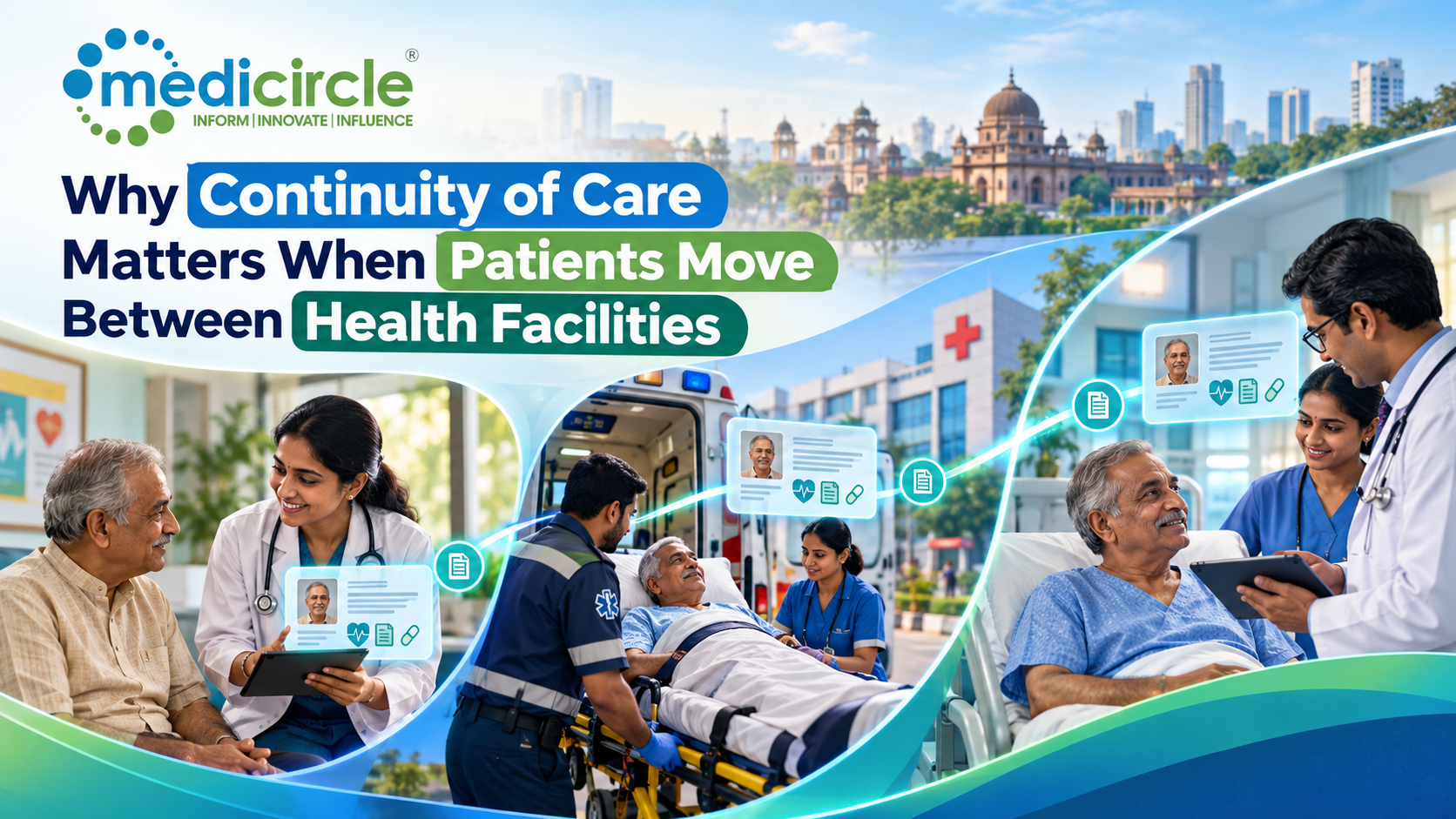
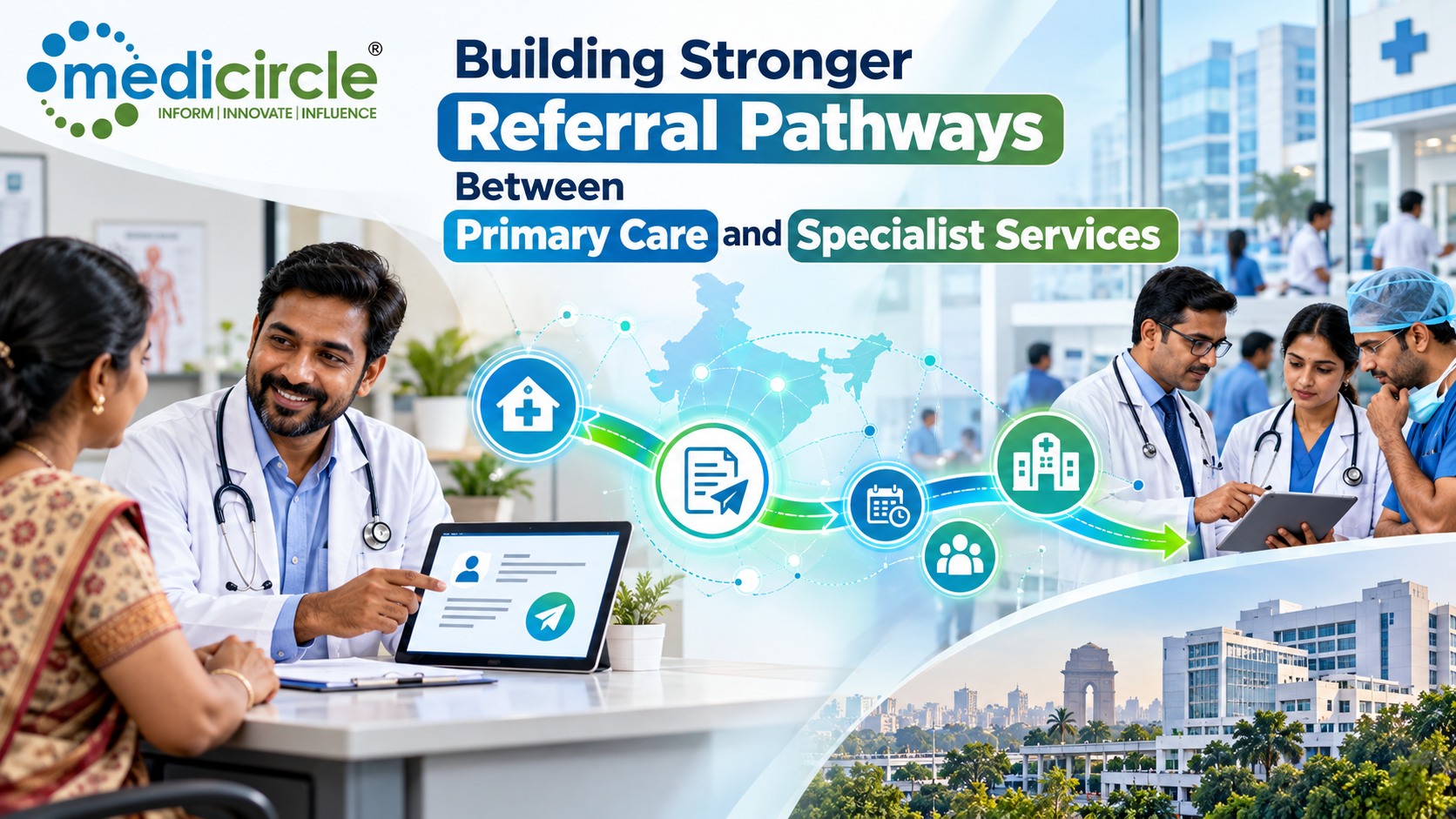
At its heart, this health circuit is about connection of not just physical roads and referral links between facilities, but a deeper shift in the way care is structured. In many parts of Jharkhand, patients travel hours, to reach a hospital that can handle their illness. This long journey delays treatment, adds to expenses, and causes unnecessary suffering. The proposed health circuit aims to change this by making sure that each level of care from local health centres to large medical institutions is part of a coordinated chain, where patients move based on the care they need, not just on where they can find a bed.
In today’s setup, Jharkhand’s healthcare services are fractured. Medical colleges often operate in silos, while district hospitals are overwhelmed and under-resourced. Primary health centres are sometimes little more than empty buildings, lacking doctors, diagnostics, or even basic medicines. As a result, people crowd into tertiary care hospitals for even minor ailments, clogging up systems meant for serious cases. What the circuit promises is a redistribution of load with minor cases managed locally, major cases referred upwards, and routine care handled efficiently at mid-level facilities. It’s a system that requires planning, resources, and training but most of all, the will to make every facility function as part of one state-wide body.
To understand why such a reform is urgently needed, one only has to look at the staggering human resource shortage across Jharkhand’s health sector. Thousands of posts for doctors, nurses, and technicians lie vacant across government hospitals. This shortage doesn't just delay treatment; it breeds mistrust. When patients don’t find specialists in their districts, they lose faith in public care. Many turn to private hospitals, even if it means borrowing money. Others simply give up, living with untreated illness. By bringing medical colleges into the fold of regular service delivery, the state can address two challenges at once i.e. expand care and train the next generation of doctors closer to home.
The idea is not just theoretical. There are concrete plans to upgrade six district hospitals into full-fledged medical colleges. These colleges would be developed under a public-private partnership model, which is expected to fast-track construction, attract investment, and bring in advanced technology. Once functional, they could reduce the dependence on the handful of existing institutions, such as Rajendra Institute of Medical Sciences (RIMS) in Ranchi, which currently bears a disproportionate share of the state’s healthcare burden.
But it’s not just about buildings. To make the circuit work, the government must ensure every link in the chain is strong. This includes filling staff positions with qualified professionals, ensuring uninterrupted electricity and water supply at rural centres, and providing digital infrastructure to enable referrals and real-time updates. Without these, even the most well-constructed plan will collapse under its own weight. The state must invest in logistics like ambulances, mobile medical units, and patient transport services will be crucial to move people across the circuit smoothly and safely.
Jharkhand's geography poses its own set of hurdles. With forests, hills, and sparsely populated areas, some villages remain completely cut off during monsoon. In such regions, mobile health clinics and telemedicine units can become vital. By connecting even the most isolated centres to larger hospitals through digital platforms, doctors in cities can assist in treating patients in rural hamlets. A robust health circuit can include these technological layers, ensuring no part of the state remains unreachable.
A significant part of this transformation also depends on administrative reform. Streamlined recruitment processes, faster approvals for infrastructure, and proper monitoring will be key. For too long, public health systems have suffered from red tape and delayed decision-making. The state has to adopt a more mission-mode approach, with dedicated leadership teams at the district level ensuring implementation is swift, accountable, and transparent. Periodic audits, feedback loops, and citizen reporting mechanisms can build public trust and identify gaps before they become systemic failures.
At a deeper level, the health circuit model also promotes a cultural shift in healthcare thinking. It encourages decentralisation and confidence in smaller facilities. Today, most patients instinctively bypass local hospitals and head to large city-based institutions. This trend places unfair pressure on a few centres while wasting the potential of hundreds of others. When people begin to trust their nearby hospitals and health centres, it automatically reduces congestion elsewhere and makes healthcare more inclusive.
The circuit can also be a solution to an education-related crisis. Jharkhand’s medical colleges often find it hard to recruit and retain faculty, especially in non-urban districts. If these colleges are made part of a functioning clinical network, they can offer real-time, hands-on learning for students while giving faculty meaningful engagement. The students trained in such colleges, especially those from within the state, are more likely to stay back and serve rural populations after graduation. Over time, this could build a self-sustaining ecosystem of healthcare professionals rooted in Jharkhand.
The private sector’s role will be vital. From diagnostic centres to multi-speciality hospitals, partnerships must be encouraged not in competition with public hospitals, but as a support system. Already, the state is using private doctors to fill gaps in public hospitals under contract-based models. Expanding this to include diagnostics, telehealth, and mobile care units can further bridge resource shortfalls.
This kind of ecosystem development will also demand regular feedback from the communities it serves. Grievance redressal systems, public dashboards showing doctor attendance, stock availability, and performance metrics of hospitals can introduce a culture of accountability. People deserve to know what services they can expect at each level and whom to approach when things go wrong. With the right digital support, all of this can be made transparent and real-time.
The proposed health circuit isn't just an administrative experiment it’s a chance to rewrite the health journey of Jharkhand’s people. For decades, the poor have travelled long distances, often on foot or by borrowing money, just to get basic treatment. Women have died in childbirth due to lack of timely intervention, children have succumbed to infections that could be treated within days, and elderly citizens have suffered in silence. If this circuit can reduce even a fraction of that suffering, it will have served its purpose.
Of course, nothing changes overnight. Infrastructure takes time to build. Staff cannot be trained in a week. Systems don’t reform themselves without resistance. But with clear timelines, committed funding, and consistent leadership, the transformation is not impossible. What matters most is consistency, staying the course even when the headlines fade and challenges mount.
A well-designed and efficiently run health circuit has the potential to become Jharkhand’s most significant healthcare reform since its formation. It can restore faith in public health institutions, reduce the economic burden on families, improve health outcomes, and build local capacities for the future. This isn’t just about health it’s about justice. When people no longer have to travel for hours or wait in endless queues to receive care, when a mother can confidently take her child to the nearest clinic knowing help will be available, that is when the promise of healthcare becomes real.





.jpeg)




.jpg)
.jpg)
.jpg)
.jpg)
.jpg)
.jpg)


.jpg)
.jpg)
.jpg)
.jpg)
.jpg)
.jpg)