 Thursday, October 08, 2026
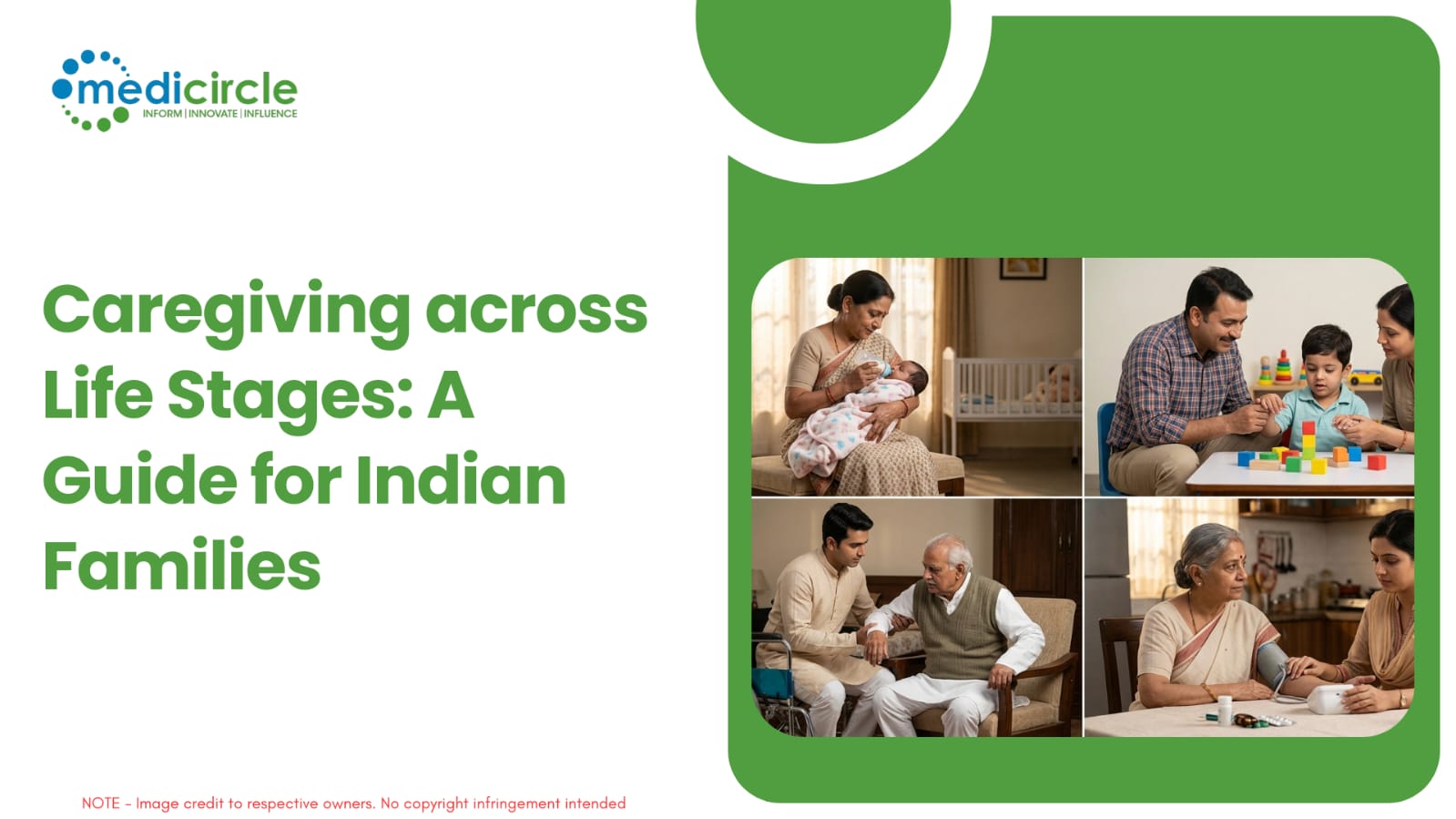
 Caregiving in India is a dynamic journey requiring adaptation across life stages. By utilizing modern healthcare tools and prioritizing self-care, families can balance cultural duties with personal wellbeing.




Caregiving across Life Stages
In many Indian households, the concept of care is not viewed as a professional service. It is instead the very fabric of family life. It is a profound commitment that begins at the cradle and continues through the sunset years. While providing this care is a deeply rooted cultural value, the responsibilities involved shift dramatically as families move through different phases of life. Understanding these transitions is essential to maintaining a healthy balance for both the one giving the care and the one receiving it.
Nurturing the Youngest Generation
Caregiving often makes its first appearance when a new life enters the family unit. For Indian parents, this initial stage is a high energy period focused on pediatric health. This involves tracking growth charts, managing nutritional intake, and ensuring a strict vaccination schedule. Historically, this was a shared responsibility where grandparents and aunts provided a natural safety net for the household.
In the modern urban landscape, however, the dynamic has changed significantly. As nuclear families become more common, young parents often face the challenge of balancing high pressure careers with the intensive needs of a toddler. Beyond the physical tasks of feeding and hygiene, the modern caregiver must also focus on the emotional resilience of the child. Success in this stage means creating a nurturing environment while learning not to neglect personal mental health during the chaos of early parenthood.
Managing the Sandwich Phase
One of the most complex periods of caregiving arrives during middle age. Many Indians find themselves positioned between two demanding generations. They are often raising growing children or teenagers while simultaneously managing the declining health of elderly parents.
This phase serves as a rigorous test of emotional and financial stamina for all family members. A person might spend the morning helping a child with exam stress and the evening discussing the cardiac health of a father or the arthritis treatment of a mother. To avoid burnout, it is vital to move away from the mindset of doing everything alone. This is the ideal time to embrace modern healthcare tools like digital health lockers for medical records and applications for medicine reminders to streamline the administrative side of family wellness.
Dignity in Senior Care
As parents reach their seventies and eighties, the caregiving role transitions into supporting their independence. In India, looking after elders is a point of pride, but it requires more than just affection. It requires a high degree of medical literacy. Issues like reduced mobility, chronic conditions like hypertension, or the onset of memory loss demand a structured approach.
Regular Preventive Screenings
Routine checkups help to catch minor health issues before they become emergencies. This proactive approach ensures a higher quality of life for seniors.
Enhancing Home Safety
Making small adjustments to the living environment can prevent dangerous falls. Installing grab bars or improving lighting are simple but effective measures.
Fostering Social Connection
Ensuring that the elderly remain mentally active and socially engaged helps to prevent depression. Isolation is a major risk factor that families must actively combat.
Supporting the Primary Caregiver
There is a common misconception in society that prioritizing oneself is a form of selfishness. On the contrary, if the caregiver collapses from exhaustion, the entire support system fails. Compassion fatigue is a real medical concern for many households. Whether a person is a parent or a child of aging parents, they must recognize that human energy is finite.
Seeking help through professional home nursing, respite care, or simply leaning on a friend is a sign of a responsible caregiver. Taking even a short time each day to recharge is not a luxury. It is a clinical necessity for long term family stability and general health.
Navigating the Medical Maze
The Indian healthcare system can feel like a labyrinth, especially when managing multiple doctors, pharmacies, and lab tests for different family members. Trying to keep track of physical files and handwritten prescriptions often leads to confusion or missed doses.
The solution is moving toward an integrated healthcare approach for the entire family. By centralizing family health data through digital platforms, caregivers can ensure that any doctor visited has a clear and accurate history. This technology reduces the risk of drug interactions and ensures that the family medical baseline remains secure regardless of how busy life becomes.
Building Strong Support Networks
No person is meant to carry the weight of caregiving in total isolation. A sustainable caregiving experience relies on a support ecosystem that combines family effort with professional expertise. Today, families have access to more resources than ever before.
These resources range from home healthcare services that bring the clinic to the doorstep to online communities where people share advice with others in similar situations. Utilizing these resources allows caregivers to move past the stress of logistics. They can then focus on the emotional connection and quality time spent with their loved ones.






.jpeg)










.jpg)
.jpg)
.jpg)
.jpg)
.jpg)
.jpg)


.jpg)