Tuesday, October 27, 2026
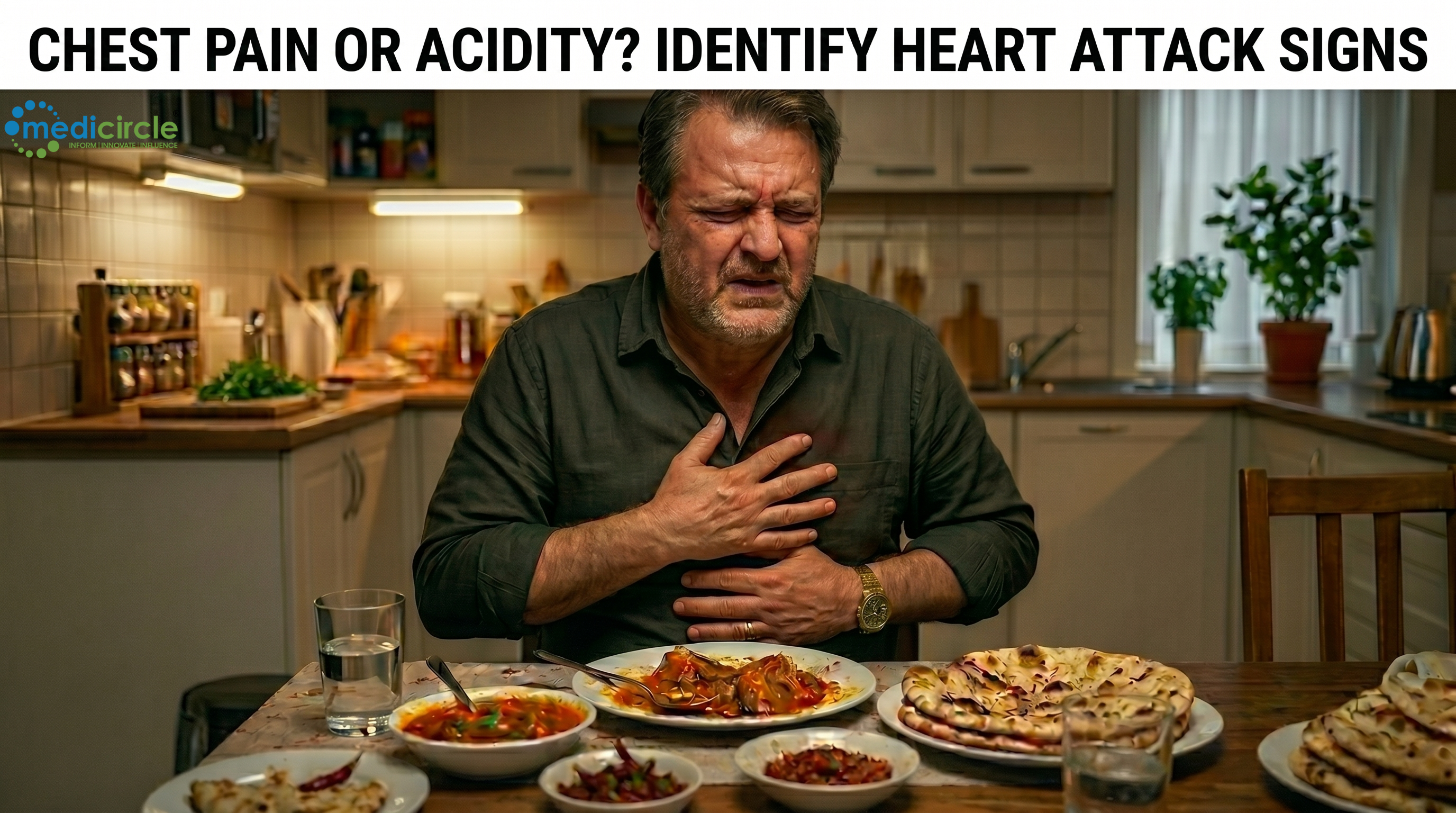
 Distinguishing between acidity and heart attacks is vital as symptoms often overlap. Identifying radiating pain, exertion triggers, and risk factors ensures timely medical intervention, potentially saving lives during cardiac emergencies.




In many Indian households, the phrase "it is probably just gas" is heard quite frequently. Because traditional diets are rich in various spices and many individuals lead busy lives, acidity and indigestion are common daily occurrences. However, India is currently facing a silent crisis as heart disease symptoms are affecting people at much younger ages than ever before.
The primary trouble is that the heart and the esophagus are very close neighbors in your chest cavity. They share similar nerve pathways, which can confuse the human brain into thinking a heart issue is merely a stomach problem. Mistaking myocardial infarction for simple acid reflux is a dangerous error that costs many lives every single year. Learning to spot the difference is one of the most vital health skills you can acquire.
Understanding Symptom Confusion
The heart and the stomach are located very close to one another and are separated only by the diaphragm. When the stomach produces too much acid, it splashes back into the esophagus, which causes a burning sensation in chest right behind the breastbone. This location is physically very close to where the heart resides.
Because the nerves for both organs are interconnected, the resulting pain can feel nearly identical to the sufferer. Many people dismiss a heavy, uncomfortable feeling after dinner as simple overeating, when in reality, the heart might be struggling to get enough oxygenated blood. This confusion is why many cardiovascular disease cases are initially ignored.
Identifying Acidity Signs
Gastroesophageal Reflux Disease or GERD symptoms have specific traits that usually set them apart from a cardiac event. Generally, acidity feels like a sharp, burning heat that moves upward from the stomach toward the throat area.
A major clue is how the pain reacts to your physical movement. Acidity often flares up when you lie down flat or bend over to pick something up, as this allows stomach acid to travel more easily into the food pipe. You might also notice a bitter or sour taste in your mouth. Most importantly, heartburn relief usually occurs within minutes of taking an antacid or sitting in an upright position. While it can be very painful, it rarely makes you feel like you are about to collapse.
Heart Attack Red Flags
A heart attack is a mechanical failure where blood flow to the heart muscle is blocked. This sensation is rarely described as a burn. Instead, patients often describe it as an intense squeezing, a heavy weight, or a feeling of extreme tightness in the center or left side of the chest.
One of the most telling signs of heart attack is radiating pain. This is discomfort that does not stay in the chest; it travels to the jaw, neck, back, or down the left arm. If your chest discomfort is paired with sudden cold sweats, nausea, or a feeling of shortness of breath, you must not wait. Unlike acidity, heart attack symptoms will not go away with an antacid and often get progressively worse over time.
The Staircase Test
If you are not sure about the source of your pain, pay close attention to how your body handles physical movement. Gastric issues usually happen when you are resting after a heavy meal. Heart issues, specifically angina pectoris, are often triggered by sudden physical demand.
If you feel fine while sitting but experience chest pressure the moment you walk quickly or climb a flight of stairs, the heart is likely trying to tell you it is under stress. If the pain stops the moment you sit down, it is a significant indicator of a heart-related issue. Acidity does not care if you are running or sitting because it is tied to digestion and not physical exertion.
High Indian Risk
In India, we face a unique set of challenges regarding cardiovascular health. Genetics, high rates of diabetes, and high-stress urban lifestyles mean that Indians often suffer from heart disease ten to fifteen years earlier than people in other parts of the world.
If you are a smoker, have high blood pressure, or have family members who have had heart surgery, you cannot afford to be casual about chest pain. For high-risk individuals, every instance of gas should be treated with extreme caution. It is far better to have a doctor tell you it was just a heavy meal than to ignore a warning sign that could lead to permanent heart damage.
Silent Heart SymptomsNot every heart attack looks like what we see in the movies. There is not always a dramatic collapse. Women and people with long-term diabetes often experience silent heart attack signs. This might feel like extreme, unexplained exhaustion, a strange sense of doom, or mild indigestion that just will not go away. Because these symptoms are not painful in the traditional sense, they are frequently overlooked until it is too late.
Emergency Life-Saving Steps
If you suspect that you or someone near you is having a heart attack, the first sixty minutes are everything. Acting fast can save the heart muscle from permanent death.
- Stop All Movement: Sit down immediately. Do not try to walk it off.
- Avoid Over-Medicating: If one antacid does not work in ten minutes, stop taking them. You are wasting precious time.
- Call For Help: Head to the nearest emergency room or use a healthcare platform to find the quickest medical assistance.
- Request an ECG: Once at the hospital, insist on an electrocardiogram and a Troponin-I blood test. These are the gold standards for ruling out heart damage.
Protecting Your Health
The good news is that the lifestyle changes that prevent acidity also help your heart. Reducing oily, deep-fried snacks and excessive spices can lower your risk of reflux. Simultaneously, adding thirty minutes of walking to your day and practicing stress-relief techniques like deep breathing can significantly strengthen your cardiovascular health.
Preventative screening is your best defense. Regular check-ups to monitor your cholesterol levels and blood sugar levels allow you to catch silent problems early. Using digital health tools to stay connected with specialists ensures that you are never guessing when it comes to your health.
Final Health Conclusion
Choosing between a gas problem and a heart attack is a high-stakes decision. While acidity is a nuisance, a heart attack is a life-altering event. The most important rule to remember is: when in doubt, check it out.
It is always better to be sent home with a prescription for antacids than to stay home and ignore a cardiac emergency. By staying aware of your body signals and taking advantage of modern medical screening, you can live with the peace of mind that your heart is well-protected.
Frequently Answer Question:
Q1: Can acidity cause pain in my jaw or neck?Almost never. Acidity is localized to the chest and throat. If pain moves into your jaw, neck, or teeth, it is a major warning sign of a heart problem.
Q2: Will drinking cold milk stop heart attack pain?Cold milk can soothe the burning of acidity by neutralizing stomach acid, but it will have no effect on the crushing pressure of a heart attack.
Q3: Can a person have acidity and heart disease at the same time?Yes, they often coexist. Sometimes the physical stress of a heart attack can actually trigger gastric symptoms like nausea and burping, which makes the situation even more confusing.
Q4: Is it true that Indians get heart disease younger?Yes. Due to a combination of genetic factors, higher rates of insulin resistance, and lifestyle changes, many Indians experience heart issues in their thirties and forties.





-23-300x250.png)

.jpeg)





.jpg)
.jpg)
.jpg)
.jpg)
.jpg)
.jpg)
.jpg)
.jpg)
.jpg)