 Tuesday, October 27, 2026
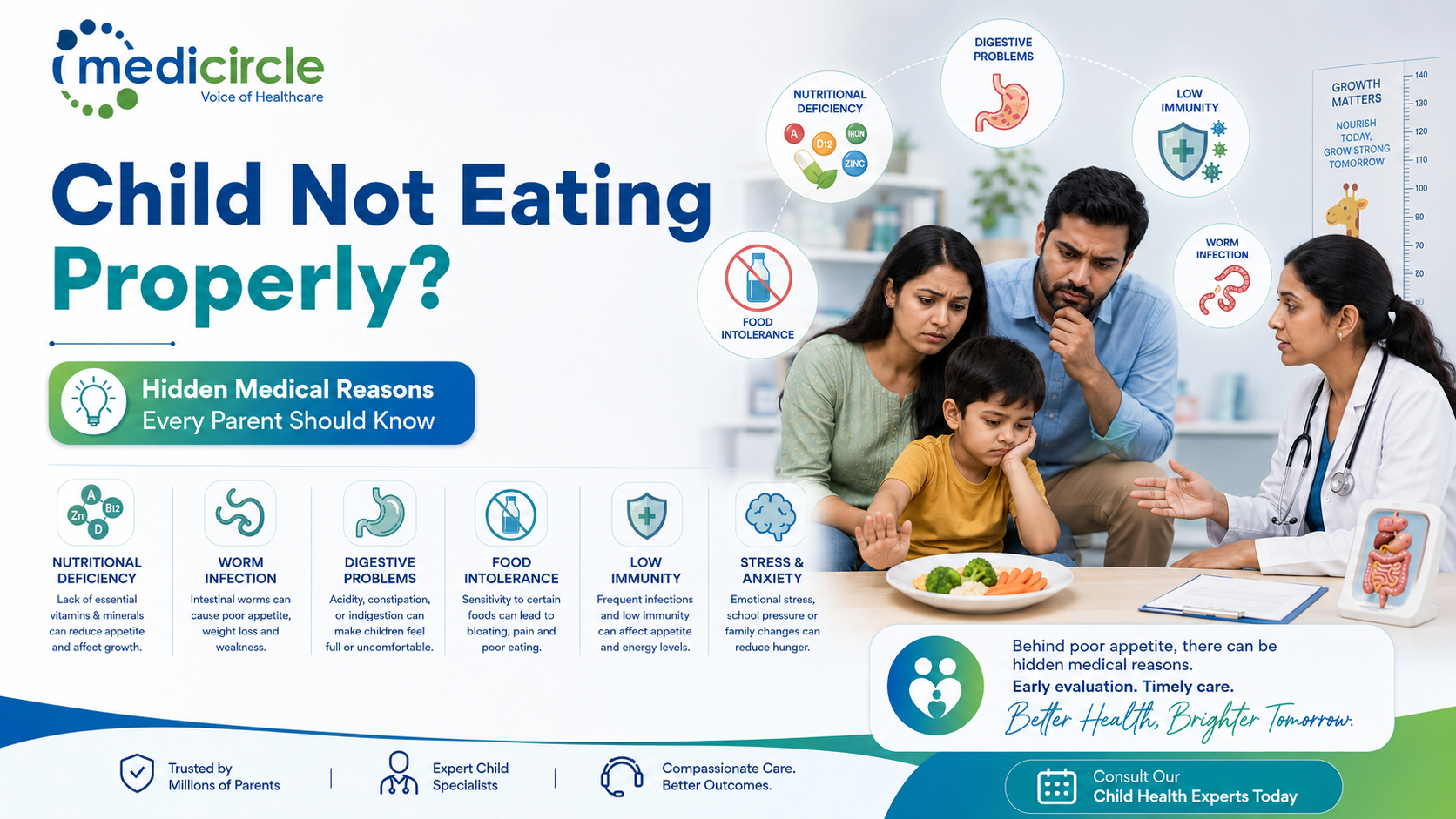
 Subtle, underlying medical conditions can steal the appetite of a child, make digestion uncomfortable, or even make the physical act of eating painful. Shifting the parental perspective from misbehavior to physical comfort is the first step toward getting them back on track.




Child Not Eating Properly
In an Indian household, cooking for a young child is the ultimate expression of parental care. Families pour love into every paratha, bowl of dal, and cup of milk, expecting a happy, well-fed child in return. Therefore, when a toddler or young child starts flatly refusing meals, turning away from the plate, or having complete meltdowns at the dining table, it feels deeply personal and causes immense stress for the entire family.
The immediate, instinctive reaction is usually to assume the child is just being stubborn, entering a typical picky eating phase, or simply testing behavioral boundaries.
To cope with this daily challenge, many families resort to what feels like a constant household battle. Parents run around the living room with a spoon, offer tablets and phones as a screen-time bribe, or give in and serve sweet biscuits just so the little one has something in the stomach. However, what if the stubbornness is not a behavioral issue at all?
When a child is not eating properly, the tiny body might be sending a quiet distress signal that parents frequently overlook. Subtle, underlying pediatric medical issues can steal the appetite of a young child, make digestion uncomfortable, or even make the physical act of chewing and swallowing painful. Shifting the parental perspective from simple misbehavior to physical comfort is the very first step toward getting their nutritional health back on track.
Iron Deficiency Anemia
It is incredibly common for anemic children to suffer from a complete loss of appetite. When internal iron levels are depleted, a young child feels perpetually wiped out, irritable, moody, and physically weak. Because the developing body is operating on low oxygen and low energy, its overall metabolic demand drops significantly. This systemic reduction means the natural physiological drive to eat slows down, making the child completely indifferent to meals.
Unexpected Pica Symptoms
The Doctors says in severe cases, a low blood count from iron deficiency can trigger a bizarre dietary craving known medically as pica. This underlying condition causes young children to compulsively try to eat non-food substances like dirt, chalk, clay, or peeling wall paint.
If you notice your little one looks unusually pale, lacks the usual spark during active playtime, or treats every single meal like an exhausting chore, it is well worth asking your family pediatrician for a routine blood test. Catching and treating iron deficiency anemia with a revamped, iron-rich diet or temporary medical supplements can completely transform the energy levels of a child. These medical interventions bring the natural appetite right back.
Chronic Toddler Constipation
When parents think of pediatric constipation, they usually picture a young child who has not passed stool in three or four days. However, a toddler can have a bowel movement every single day and still suffer from severe, hidden constipation. This is known in healthcare as chronic, low-grade constipation, where the bowel fails to empty fully during a bowel movement. Hard, old stool gradually accumulates in the lower digestive tract, creating a continuous, physical sensation of abdominal fullness.
If the internal digestive system is perpetually backed up, gas gets trapped, and the stomach constantly feels bloated, tight, and heavy. The young child has no physical sense of hunger because, inside the small body, there simply is no physical room for new food.
Young kids rarely have the self-awareness or the vocabulary to explain that their lower intestines feel crowded and heavy. Instead, they just say their stomach hurts, or they outright refuse to eat their regular meals.
In urban Indian households, a couple of common dietary habits can unintentionally trigger this intestinal sluggishness. These include introducing heavy cow milk too early before the gut of a toddler can fully process it, or relying on processed snacks that completely lack dietary fiber and water. Gently addressing this internal backlog through better hydration, local fiber-rich fruits like papayas and bananas, and expert medical guidance can clear the way for a healthy child appetite.
Reflux and Food Allergies
Adults tend to think of acid reflux as a lifestyle problem tied to stressful jobs and spicy food, but gastroesophageal reflux disease is surprisingly prevalent in babies and toddlers. When harsh stomach acid creeps back up into the sensitive lining of the esophagus, it creates a sharp, burning pain in the chest and throat.
Because a young child cannot logically connect the dots, they do not understand why it hurts. They just know that putting things in their mouth quickly leads to a nasty, burning sensation. They learn to associate the act of eating with physical pain. You might see a child approach the high chair eagerly because they feel hungry, take two or three bites, and then suddenly burst into tears, arch their back, and reject the rest of the meal entirely.
Similarly, silent food allergies and intolerances, most notably to cow milk protein or wheat gluten, can wreak havoc behind the scenes. These food sensitivities cause low-grade, constant inflammation in the gut, leading to painful cramps, mild nausea, or uncomfortable bloating shortly after eating. If your child regularly panics mid-meal or seems to consistently reject specific food groups, it is time to look into potential reflux or dietary allergies with a doctor.
Worm Infestations and Infections
Children love exploring the world with their hands. Whether they are playing in the society park mud, sharing dusty toys at preschool, or putting random objects in their mouths, young children are highly susceptible to intestinal parasites, or stomach worms.
These uninvited gut guests survive inside the body by stealing the vital nutrients your child consumes. While some worm infestations cause a child to eat voraciously without gaining weight, many others cause a constant state of mild nausea, low-grade abdominal pain, and a total shutdown of the appetite centers in the brain.
Beyond parasites, other silent infections can sap the desire for food. A chronic, low-grade urinary tract infection or mild, recurring tonsillitis can keep the immune system of the body on high alert. When the body is redirecting all its metabolic energy toward fighting off a micro-infection, it naturally suppresses hunger hormones. Regular, routine deworming as recommended by Indian pediatric guidelines, alongside checking for hidden low-grade infections, can remove these invisible barriers to eating.
Behavioral Versus Medical Refusal
How do you know if your child is just flexing independence or if something is legitimately wrong? Observing their patterns across the whole day provides the answer.
|
Type of Refusal |
What It Typically Looks Like |
|
Behavioral Refusal |
The child turns their nose up at dinner but eagerly devours favorite snacks or sweets. They have plenty of energy, play happily, and are steadily tracking along developmental growth milestones. |
|
Medical Refusal |
The rejection applies to almost all foods, including things they used to love. It is often paired with unexplained sluggishness, flatlined weight gain, frequent complaints of tummy aches, or noticeable changes in stool. |
Sensory Processing Issues
Sometimes, food rejection is entirely an issue of sensory overload. Children with Sensory Processing Sensitivity experience textures, smells, intense colors, and food temperatures in a way that feels completely overwhelming, or even physically threatening, to their nervous system.
Traditional Indian cooking is a beautiful explosion of sensory inputs. We have soft, mushy khichdi, fibrous drumsticks in sambar, aromatic spices, and crunchy, fried snacks. For a child with sensory sensitivities, the slimy texture of a cooked vegetable or the strong smell of a specific tadka can trigger an intense, involuntary gag reflex or severe anxiety.
This is not a child being difficult. It is a child whose brain is misinterpreting a texture as a danger zone. Forcing a child to push through this sensory barrier usually backfires, creating a highly stressful, negative association with mealtimes. Pinpointing these specific triggers allows parents to adapt cooking methods, like blending vegetables smoothly into gravies, keeping components separated on the plate, or serving foods at room temperature, to make eating feel safe again.
Frequently Asked Questions
When should a lack of appetite trigger a doctor visit?
Schedule an appointment if your child is actively losing weight, seems constantly tired, lacks the energy to play, experiences regular vomiting, shows changes in bowel habits, or goes on a food strike for more than a few days.
Can teething cause long-term eating issues?
Teething absolutely causes sore gums, which can make a child fussy around food for a few days while a new tooth breaks through the surface. However, it does not cause a permanent or months-long loss of appetite. If the food refusal stretches on for weeks, something else is at play.
Is my child just a picky eater?
True picky eaters usually still manage to find a few foods they tolerate within each major food category, and they continue to grow at a normal rate. If your child completely eliminates entire food groups, gags frequently, or stops gaining weight, it warrants a professional medical check.
Moving Past Table Frustrations
When your child will not eat, it is incredibly easy to let mealtimes turn into an emotional battleground fueled by parental guilt and anxiety. However, viewing food refusal as a potential biological message rather than a behavioral rebellion changes the entire dynamic. It allows you to approach the table with empathy rather than frustration.
Partnering with a trusted pediatrician helps rule out or quietly resolve issues like low iron, hidden reflux, or sluggish digestion early on. By combining professional healthcare guidance with a pressure-free, relaxed dining atmosphere, you can give your child the comfort they need to build a happy, lifelong relationship with food.





-23-300x250.png)

.jpeg)






.jpg)
.jpg)
.jpg)
.jpg)
.jpg)
.jpg)
.jpg)
.jpg)
.jpg)



