Tuesday, October 27, 2026
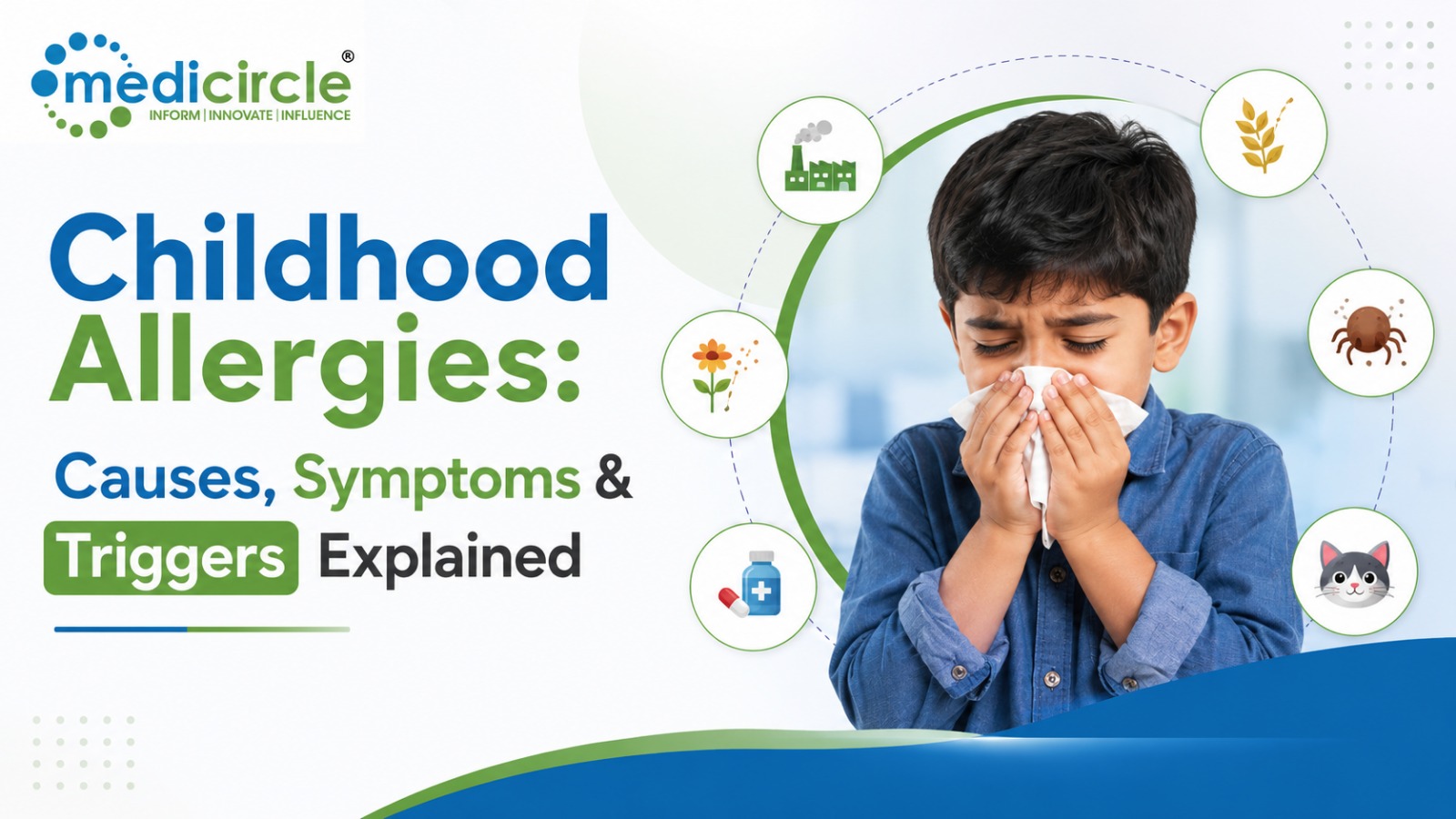
 Childhood allergies are influenced by immune sensitivity, environmental exposure, food patterns, and lifestyle habits that affect long-term gut and respiratory health. Recognizing allergy triggers early and supporting healthy immune balance helps improve comfort, prevention awareness, and everyday well-being for children.




Childhood allergies are becoming increasingly common across the world, affecting children in homes, schools, playgrounds, and even during everyday meals. What often begins as mild sneezing, skin irritation, or food sensitivity can gradually influence sleep, focus, breathing comfort, and daily routines. Understanding childhood allergies early helps parents, caregivers, educators, and even businesses connected to children’s products make smarter decisions. The challenge is that allergies rarely look the same in every child, which is why recognizing patterns, triggers, and environmental influences matters more than ever.
Why Childhood Allergies Are Becoming More Common
Childhood allergies are not caused by one single factor. They develop through a combination of genetics, environment, lifestyle changes, and immune system behavior. In simple terms, allergies happen when the immune system reacts too strongly to something that is usually harmless, such as pollen, dust, certain foods, or pet dander.
Modern living patterns have changed how children interact with the environment. Many children now spend more time indoors with air conditioning, processed foods, artificial fragrances, and reduced exposure to natural outdoor environments. These shifts may affect how the immune system learns to identify safe and unsafe substances.
Climate patterns also play a role. Longer pollen seasons, increased pollution, and changing weather conditions can intensify allergy symptoms in sensitive children. Urban environments may expose children to more airborne irritants, while overly sterile indoor settings can sometimes reduce natural immune adaptation.
Another important factor is early immune development. Some children naturally have a more reactive immune system due to family history. However, genetics alone do not determine whether allergies appear. Lifestyle, food patterns, stress, sleep quality, and environmental exposure often influence how symptoms develop over time.
This explains why one child may eat certain foods or play outdoors without issues, while another experiences repeated allergic reactions under similar conditions.
How Childhood Allergies Usually Begin
Allergies often begin gradually rather than appearing all at once. Many early signs are subtle and easy to confuse with seasonal illness, skin sensitivity, or minor digestive discomfort.
Some children first show signs through skin reactions such as dryness, itching, or rashes. Others may develop recurring sneezing, watery eyes, or congestion during seasonal changes. In some cases, food-related symptoms appear after repeated exposure rather than immediately after the first intake.
The immune system essentially “learns” its reaction patterns over time. Repeated exposure to a trigger can strengthen sensitivity in certain children. This is why allergies sometimes seem unpredictable during early childhood.
Children also experience allergies differently based on age.
- Younger children often show skin or digestive-related symptoms first
Infants and toddlers may develop rashes, stomach discomfort, or irritation because their digestive and immune systems are still developing. Food sensitivities are commonly noticed during this stage. - School-age children are more likely to experience environmental allergies
Increased outdoor activity and classroom exposure may trigger sneezing, congestion, or breathing discomfort linked to pollen, dust, or seasonal changes. - Teenagers may experience mixed allergy patterns influenced by lifestyle
Sleep habits, stress, processed food intake, and increased environmental exposure can sometimes intensify allergy responses during adolescence.
These variations make it important to observe long-term patterns instead of focusing only on isolated symptoms.
The Most Common Allergy Triggers in Children
Not all allergy triggers affect children equally. Some are seasonal, while others exist year-round inside homes, schools, and public spaces.
Food allergies are among the most discussed childhood concerns today. Common triggers often include dairy products, nuts, eggs, seafood, and processed foods containing artificial additives. However, reactions vary greatly between children.
Environmental triggers are equally important. Dust mites, mold, pet hair, smoke exposure, and pollen are frequent causes of allergic discomfort. Indoor air quality can significantly influence symptoms, especially in children who spend long hours indoors.
Certain triggers become stronger when combined with lifestyle factors.
Environmental and Lifestyle Triggers That Often Overlap- Indoor air quality influences allergy intensity more than many people realize
Poor ventilation, dust buildup, synthetic fragrances, and excessive humidity can create conditions where allergy symptoms become more frequent. Children exposed to these environments daily may develop recurring congestion or skin irritation over time. - Processed foods may affect immune sensitivity in some children
Highly processed meals containing preservatives, artificial coloring, or excess sugar may influence inflammation and digestive balance. While not always direct allergens, they can sometimes worsen existing sensitivities. - Seasonal transitions often increase symptom frequency
Changes between warm and cold weather can increase exposure to pollen, mold spores, and dry air. Many children experience flare-ups during these transition periods rather than during peak seasons alone. - Stress and disrupted sleep may indirectly worsen allergies
The immune system functions differently when children are sleep-deprived or emotionally stressed. While stress does not directly cause allergies, it may intensify symptom patterns in sensitive individuals.
Understanding these overlapping influences helps explain why allergy symptoms often appear inconsistent from one child to another.
Recognizing Early Symptoms Before They Escalate
Early allergy symptoms are often mistaken for common colds or temporary irritation. The difference usually lies in repetition and timing.
A child who repeatedly sneezes in the morning, develops itchy skin after specific meals, or experiences seasonal congestion may be showing early allergy patterns. Persistent symptoms that return under similar conditions are often more significant than one-time reactions.
Breathing-related symptoms deserve careful attention because they may overlap with other respiratory conditions. Some children develop mild wheezing or throat irritation that becomes more noticeable during physical activity or seasonal changes.
Skin reactions are another important signal. Dry patches, redness, itching, or recurring irritation around certain fabrics or foods may indicate sensitivity.
Digestive symptoms can also appear unexpectedly. Some children experience bloating, stomach discomfort, or nausea linked to specific foods even without visible skin reactions.
Recognizing these patterns early helps families make informed adjustments before symptoms become disruptive.
How Childhood Allergies Affect Daily Life Beyond Physical Symptoms
Childhood allergies influence more than physical comfort. They can affect learning, sleep quality, social activities, emotional confidence, and family routines.
Children with recurring congestion or poor sleep may struggle with concentration during school hours. Fatigue caused by nighttime discomfort often affects attention span and energy levels.
Food allergies can also create social challenges. Birthday parties, school lunches, and travel situations sometimes increase anxiety for both children and parents. Some children may feel isolated if they constantly need to avoid certain foods or environments.
Families often adapt entire household routines around allergy management. Cleaning habits, meal preparation, travel planning, and even pet ownership decisions may change over time.
For businesses and entrepreneurs in child-focused industries, understanding allergy-friendly practices has become increasingly important. Schools, daycare centers, food brands, skincare companies, and toy manufacturers now face growing expectations around allergy awareness and safer product choices.
This shift reflects a broader global demand for transparency, safety, and healthier environments for children.
Why Some Allergy Treatments Work Differently for Different Children
One of the biggest misunderstandings about allergies is the expectation that a single solution works for everyone. In reality, allergy responses vary based on genetics, environment, immune sensitivity, and lifestyle.
Some children respond well to simple environmental changes, while others continue experiencing symptoms despite adjustments. The same food or trigger may affect two children completely differently.
Factors That Influence Allergy Response Patterns- Immune system sensitivity differs from child to child
Some children naturally react more strongly to environmental triggers because their immune systems are more sensitive. This explains why reactions vary even within the same family. - Frequency of exposure can change symptom intensity over time
Repeated exposure to allergens may either increase sensitivity or, in some cases, reduce reaction severity depending on how the immune system adapts. - Lifestyle habits influence overall immune balance
Sleep quality, stress levels, hydration, diet, and outdoor activity all affect how the body responds to allergens. These factors often shape long-term allergy behavior. - Environmental conditions affect treatment effectiveness
A child living in a humid environment may experience different symptom triggers than a child exposed to dry seasonal air or pollution-heavy urban areas.
Understanding these variations helps explain why managing childhood allergies often requires observation, consistency, and patience rather than quick fixes.
Building Allergy Awareness Without Fear
One of the most helpful approaches to childhood allergies is balanced awareness. Fear-based reactions can create unnecessary stress, while ignoring symptoms may delay important lifestyle adjustments.
Children benefit when adults explain allergies calmly and practically. Teaching children how to recognize discomfort, communicate symptoms, and understand personal triggers helps build confidence instead of anxiety.
Simple habits often make a meaningful difference. Maintaining clean indoor spaces, supporting balanced nutrition, encouraging outdoor activity, and monitoring recurring symptoms all contribute to healthier routines.
Awareness also helps schools, childcare providers, and businesses create safer environments without making children feel restricted or isolated.
Conclusion
Childhood allergies are shaped by a combination of immune behavior, environment, lifestyle, and daily exposure patterns. Symptoms may appear through skin reactions, breathing discomfort, digestive issues, or recurring seasonal irritation, often developing gradually over time.
Understanding why childhood allergies happen, recognizing early triggers, and observing long-term patterns helps families and caregivers respond more effectively. With growing environmental and lifestyle changes influencing children worldwide, thoughtful awareness and practical adaptation are becoming more important than ever.
Frequently Asked Questions (FAQs)
1. Why are childhood allergies becoming more common today?Childhood allergies are becoming more common due to changes in lifestyle, indoor living patterns, pollution exposure, and processed food habits. These factors may affect the immune system balance and overall health effects linked to allergy sensitivity. Environmental changes and reduced exposure to natural surroundings may also influence how children develop immune responses over time.
2. What are the earliest signs of childhood allergies?Early signs often include sneezing, itchy skin, watery eyes, congestion, or mild digestive discomfort. In some children, recurring symptoms appear during seasonal changes or after specific foods. Recognizing these patterns early helps families understand prevention tips and manage triggers more effectively.
3. Can childhood allergies change as children grow older?Yes, allergy patterns may change over time. Some children outgrow certain sensitivities, while others may develop new reactions during adolescence. Factors like diet, environment, sleep, and stress influence the effects of allergy triggers and overall immune behavior.
4. How do environmental factors affect childhood allergies?Indoor dust, pollution, mold, pollen, and poor ventilation can strongly influence allergy symptoms. These environmental triggers affect respiratory comfort and may disrupt the body’s natural immune balance. Maintaining cleaner surroundings and healthy routines often supports better long-term management.
5. Can food habits influence allergy symptoms in children?Yes, food choices can influence inflammation and digestive comfort in sensitive children. Highly processed foods and artificial additives may sometimes worsen symptoms. Supporting gut health and maintaining balanced eating habits are often considered useful lifestyle adjustments for overall immune support.
6. Why do some children react differently to the same allergy trigger?Every child has a different immune response pattern influenced by genetics, environment, and daily habits. One child may tolerate a trigger easily, while another develops symptoms quickly. These variations highlight the importance of understanding individual allergy behavior and long-term symptom patterns.
7. How are seasonal allergies different from food allergies in children?Seasonal allergies are usually linked to environmental triggers like pollen or weather changes, while food allergies are connected to specific ingredients. Both may overlap in some children, affecting breathing, skin, or digestion. Managing these reactions often involves different prevention and management approaches.
8. Can stress and sleep affect childhood allergies?Although stress does not directly cause allergies, poor sleep and emotional stress may increase symptom intensity. The immune system functions differently when the body is tired or overwhelmed. Healthy sleep routines and balanced habits support better immune health and overall recovery.
9. How can parents identify hidden allergy triggers at home?Hidden triggers often include dust buildup, synthetic fragrances, pet dander, or certain cleaning products. Observing when symptoms appear repeatedly helps identify patterns. Simple home prevention tips and cleaner indoor environments can help reduce recurring discomfort.
10. Why is early awareness important in childhood allergies?Early awareness helps families recognize patterns before symptoms become disruptive. Understanding triggers, environmental influences, and immune responses allows better long-term management. It also supports healthier routines and practical prevention strategies that improve daily comfort and confidence for children.





-23-300x250.png)

.jpeg)






.jpg)
.jpg)
.jpg)
.jpg)
.jpg)
.jpg)
.jpg)
.jpg)
.jpg)