Tuesday, October 27, 2026
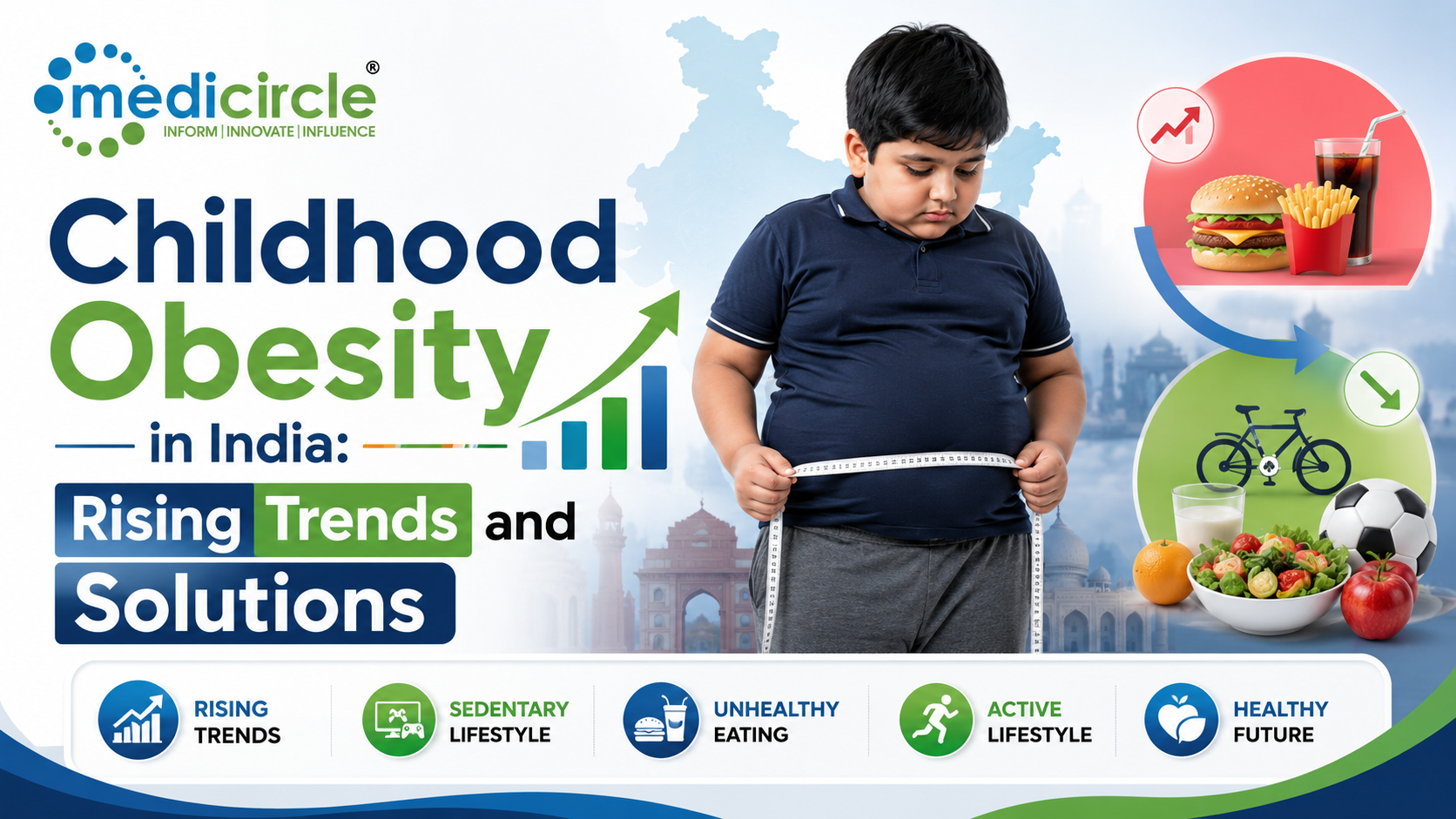
 The rise of childhood obesity in India stems from modern lifestyle changes, ultra-processed diets, and sedentary habits. Parents can counter this trend effectively by reshaping family nutrition, limiting screen time, and fostering a supportive home environment.




The public health landscape of India is going through a silent but profound transformation. For many decades, healthcare discussions primarily focused on nutritional deficiencies and undernourishment. Today, a very different challenge has taken center stage in cities and towns alike. There is a sharp increase in the number of young individuals carrying excess body weight. Recent scientific data reveals that childhood obesity in India is reaching critical levels, making it a pressing medical concern. It impacts the immediate vitality of a child and shapes their health trajectory for decades to come.
To deal with this issue effectively, we must look past the outdated idea that early weight gain is simply caused by a lack of discipline. In reality, our young generation is reacting to a fast-paced socio-economic shift. The way Indian families live, work, communicate, and eat has changed fundamentally in less than a single generation. For parents, understanding the causes of childhood obesity in India is the most powerful tool available to shield their children from preventable health issues down the road.
Cultural Beliefs vs Reality
Historically, a plump or chubby child was celebrated in many Indian households. It was traditionally viewed as a visual sign of family prosperity, excellent care, and robust health. Because of this deep-seated cultural belief, well-meaning elders and parents often encourage extra helpings. They frequently serve heavy, calorie-dense traditional treats as a gesture of affection.
However, modern pediatric research paints a very different picture. Carrying substantial excess fat during crucial developmental years places an intense, immediate strain on the growing body of a child.
According to the World Obesity Atlas, India currently ranks second globally in pediatric weight challenges, with over 41 million school-age children living with a high Body Mass Index. While the trend is most obvious in major metropolitan cities, smaller towns are experiencing a similar upward curve. The core medical issue is that fat cells generated during youth tend to persist into adulthood. This persistence makes weight management an ongoing, lifelong battle. When a young body carries too much weight, internal organs are forced to work double-time to handle routine daily activities. This extra work leads to premature structural wear and metabolic fatigue.
Causes of Rising Obesity
The sudden climb in childhood weight metrics cannot be traced back to a single culprit. It stems from a perfect storm where modern structural conveniences clash directly with genetic predispositions and changing lifestyle patterns.
Impact of Processed FoodsThe daily menu for many Indian children has changed dramatically. It has moved away from freshly ground, home-cooked staple ingredients toward commercially packaged foods. Items like instant noodles, ready-to-fry snacks, packaged chips, and sugary sodas are now common features in household pantries. These products are scientifically formulated to taste highly rewarding, making them incredibly difficult for a child to resist. Unfortunately, they offer almost no vital nutrients to the body. Instead, they flood the system of a child with refined flours, hidden sugars, artificial preservatives, and high levels of sodium. This combination causes rapid spikes in blood glucose. It also disrupts the natural signaling system of the brain that indicates fullness, paving the way for habitual overeating.
Screen Time and InactivityIn the past, the hours following the school bell were dedicated to active neighborhood games. In modern urban India, open playgrounds and safe green spaces have decreased drastically. This leaves children with fewer places to run around safely. At the same time, easy access to smartphones, tablets, high-definition television, and gaming consoles has created a highly enticing indoor alternative. Statistics indicate that nearly 74 percent of Indian adolescents do not meet the recommended levels of daily physical activity. When a child spends multiple consecutive hours resting on a couch with a digital device, their physical energy expenditure drops to a baseline level. This persistent gap between the energy they consume through food and the energy they burn through movement makes weight gain inevitable.
Domestic Stress and Poor SleepIn many urban households, both parents work demanding jobs. This lifestyle naturally leaves less time for elaborate daily meal preparation. This time crunch has made food delivery applications and ready-to-heat packaged dinners a frequent necessity. These options almost always contain significantly higher amounts of fats, hidden salts, and oils than a standard home-cooked meal. Additionally, the highly competitive nature of the Indian education system places immense academic pressure on young minds. Long hours spent at school desks, followed by coaching institutes and heavy homework loads, leave children exhausted and stressed. This high-pressure lifestyle frequently cuts into their rest. Poor sleep quality directly destabilizes the hormones that control appetite, making children crave quick-energy, high-sugar comfort foods the next day.
Medical Risks for Children
The complications of early weight issues go far deeper than aesthetic concerns or minor physical slow-downs. Leaving excess weight unmanaged during these formative years can alter the underlying metabolic framework of a child, bringing adult-onset diseases into childhood.
It is becoming increasingly common for pediatricians in India to diagnose children as young as ten or twelve with Type 2 diabetes. This condition was once seen almost exclusively in middle-aged or older populations. Similarly, early signs of cardiovascular strain, including elevated blood pressure and high cholesterol levels, are showing up unexpectedly early.
Furthermore, carrying excess weight places a continuous physical strain on the developing skeletal structure of a child. This strain frequently manifests as chronic pain in the knees, hips, and lower back. Metabolic dysfunction-associated steatotic liver disease, formerly known as non-alcoholic fatty liver disease, is also rising among overweight teenagers. This condition occurs when the body stores excess fat directly inside liver tissue, creating a risk for long-term organ scarring.
We also cannot overlook the emotional toll of this condition. Overweight children are frequently subjected to peer teasing and social exclusion at school. This mistreatment can damage their self-esteem, foster social anxiety, and negatively impact their academic focus.
Actionable Solutions for Parents
While navigating our modern environment is undeniably tough, parents hold the keys to transforming the health of their family. By introducing gradual, sustainable changes to the household dynamic, you can guide your child toward healthier choices without making them feel isolated or criticized.
Revamping the Household KitchenAltering the dietary habits of a child works best when the entire family embraces a shared approach to nutrition. Rather than focusing on restrictions, emphasize adding wholesome, nutrient-dense whole foods to your daily meals.
- Embrace Native Whole Grains: Gradually swap out refined flour for nutrient-dense traditional options like whole wheat, ragi, bajra, or jowar. Aim to fill half of the lunch and dinner plates of your family with seasonal, freshly cooked vegetables and raw salads.
- Rethink Family Beverages: Keep commercial fruit juices, fizzy sodas, and synthetic milkshakes out of your weekly grocery cart. Instead, make plain water the default choice. Offer refreshing, natural alternatives like fresh coconut water or lightly spiced homemade buttermilk.
- Lighten Traditional Recipes: Indian cuisine is wonderfully flavorful but can easily become overly heavy with oil and ghee. Try adopting lighter cooking styles like steaming, baking, quick stir-frying, or using measured amounts of healthy oils to preserve taste without adding empty calories.
- Value Natural Fullness: Encourage your child to serve themselves and to respect the internal cues of their body. Forcing a child to completely empty their plate when they say they are full can override their natural ability to self-regulate food intake.
Reintroducing movement into the life of a child does not require signing them up for intense, rigid fitness regimes. Instead, focus on making physical movement a regular, fun part of your daily family lifestyle.
|
Daily Objective |
Realistic Implementation |
|---|---|
|
Manage Screen Interaction |
Keep recreational screen time under one to two hours daily. Establish a firm rule keeping smartphones and tablets away from the dining table and bedrooms. |
|
Prioritize Outdoor Playtime |
Dedicate an hour every day to active play. This can mean cycling around the neighborhood, swimming, or playing classic games like Kho-Kho and badminton. |
|
Plan Active Family Time |
Switch out passive weekend trips to commercial shopping centers or movie theaters for active outings. Enjoy walking in local parks, exploring nature trails, or playing a casual sport together. |
Creating a Supportive Home
When addressing weight management, it is vital to avoid any approach rooted in criticism, body-shaming, or extreme dietary deprivation. Children quickly pick up on underlying anxiety or disapproval. Negative remarks about their size can leave lasting psychological scars, occasionally triggering unhealthy eating disorders later in life.
The conversation should always center on building strength, improving energy, and feeling good. Try to avoid labeling everyday foods as strictly evil or virtuous. Instead, teach your child how balanced meals provide the clean fuel they need to excel in their favorite sports, hobbies, and school projects.
Ultimately, lifestyle adjustments rarely stick if they are forced upon the child while the rest of the household continues with old, sedentary routines. When everyone in the home eats the same home-cooked meals and participates in active weekend outings, the child feels loved and supported rather than singled out. Commending non-scale achievements, such as improved stamina, deeper sleep, or mastering a new physical activity, creates positive motivation that sets them up for a healthy adulthood.
Frequently Asked Questions
How can I tell if my child is experiencing a normal growth phase or actually carrying too much weight?
Children grow in unpredictable steps and spurts, which can temporarily change their body shape. However, if the weight of a child rises steadily over several months without a noticeable change in their height, it may point to excess fat accumulation. The most objective way to evaluate this is by visiting your pediatrician, who can chart the development of your child on age-standardized growth curves designed specifically for Indian children.
Is it safe to put a young, overweight child on a strict weight-loss diet?
No, putting a growing boy or girl on a strict, calorie-restricted diet can compromise their physical growth. It can also harm their emotional relationship with food. Developing bodies need a steady, balanced intake of vitamins, essential minerals, and macronutrients. Instead of restricting food intake, focus on upgrading the nutritional quality of the home kitchen and creating more opportunities for active play.
What can I do if my child completely rejects vegetables?
Learning to like unfamiliar textures and flavors takes time. Children often need to see a new food on their plate multiple times before they are willing to try it. Try bringing your child along for grocery shopping and let them help with simple kitchen tasks to spark their curiosity. You can also discreetly blend nutritious vegetables into their favorite familiar meals. You can knead finely grated zucchini or carrots into paratha dough, or add pureed vegetables into smooth dals and idli batters.
Does sleep really influence the weight of a child?
Yes, sleep is a cornerstone of metabolic health. Insufficient rest upsets the balance of hormones that control appetite. This imbalance often leads to intense cravings for simple sugars and heavy carbohydrates. School-aged children generally require nine to eleven hours of solid sleep each night, while teenagers need roughly eight to ten hours to function at their best.
Conclusion
The growing prevalence of childhood obesity across India serves as an urgent reminder for modern families, but it is a challenge that we can confidently overcome with steady, mindful adjustments. When we recognize how modern conveniences and shifts in food production promote inactive habits, we can make conscious changes to protect our homes.
Long-term health is not built on sudden, drastic dietary overhauls; it is shaped by small, everyday choices. By prioritizing wholesome meals, establishing healthy boundaries around screens, and making time for outdoor play, we can completely transform the health outlook of a child. Turning wellness into a shared family project ensures that our children grow up with the physical resilience and self-confidence they need to thrive.





-23-300x250.png)

.jpeg)






.jpg)
.jpg)
.jpg)
.jpg)
.jpg)
.jpg)
.jpg)
.jpg)
.jpg)