Tuesday, October 27, 2026
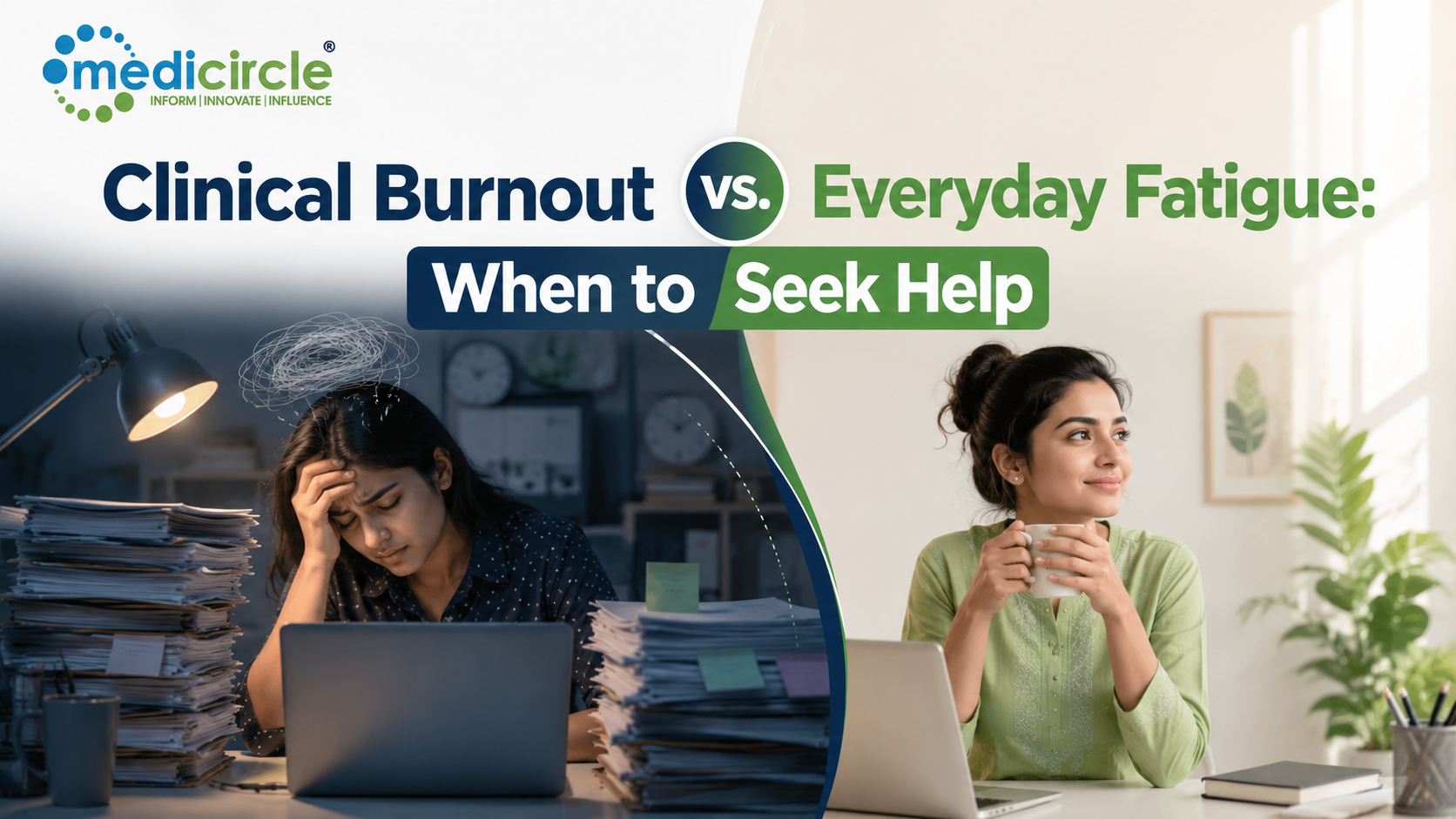
 While occasional tiredness is a normal response to a busy lifestyle, persistent exhaustion may signal deeper issues related to workplace stress, burnout, or mental health challenges. Understanding the difference between everyday fatigue and chronic burnout is essential for maintaining productivity, well-being, and long-term professional performance.




In today's fast-paced corporate and academic environments, feeling exhausted is a common complaint. Balancing long shifts, professional milestones, and personal responsibilities can leave anyone drained by the end of a long week. However, according to insights outlined in Writers_Guide_All_Domains.pdf for the hrsays.in platform, tracking workplace wellness and mental health is an essential function of modern workforce management.
A frequent operational and personal challenge is distinguishing between everyday fatigue and true clinical burnout. While everyday tiredness can usually be fixed with a few nights of good sleep or a restful weekend, clinical burnout is a deeper, systemic state of exhaustion that often requires professional psychiatric support.
Understanding the difference between these states is vital for protecting your mental health, sustaining your career, and knowing when to reach out for professional guidance.
Defining the Terms: Fatigue vs. Burnout
To understand the core differences between these experiences, it helps to examine how they develop and how they impact your daily life.
What is Everyday Fatigue?Everyday fatigue is a direct, predictable reaction to physical or mental exertion. If you pull an all-nighter to meet a tight deadline, complete a demanding physical project, or navigate a stressful week of family obligations, your body and mind will naturally feel tired.
- The Key Metric: Fatigue is typically situational and temporary. Once the stressor is removed or you get adequate rest, your energy levels, motivation, and mood generally return to normal.
Clinical burnout is a state of chronic physical and emotional exhaustion caused by prolonged, unmanaged stress, particularly in an occupational or caregiving setting. It does not happen overnight; rather, it develops gradually over months of continuous pressure.
- The Key Metric: Burnout is pervasive and persistent. It creates a deep internal vacuum that cannot be fixed by simply sleeping over the weekend or taking a short vacation.
The Three Core Pillars of Clinical Burnout
The World Health Organization (WHO) classifies burnout as an occupational phenomenon characterized by three distinct dimensions:
[Chronic Stress] ➔ [1. Chronic Exhaustion] ➔ [2. Cynicism & Detachment] ➔ [3. Low Professional Efficacy]
This goes far beyond physical tiredness. Individuals experiencing burnout wake up feeling completely drained before their day even begins. The thought of facing their daily tasks triggers a sense of dread, and their emotional reserves are entirely depleted.
2. Cynicism, Depersonalization, and DetachmentAs a coping mechanism to handle continuous stress, people experiencing burnout often develop a cold, cynical attitude toward their duties, colleagues, or clients. They may distance themselves emotionally from their responsibilities and begin to feel resentful or disconnected from work they used to enjoy.
3. A Sense of Ineffectiveness and Low AccomplishmentBurnout directly erodes self-confidence. Even highly capable professionals begin to feel like they are failing or that their efforts make no real difference. This internal frustration can lead to a drop in productivity, missed deadlines, and a cycle of self-doubt.
Detailed Structural Stages of Burnout Development
Burnout is an insidious process that builds progressively through recognizable psychological transitions:
The Honeymoon PhaseWhen taking on a new professional assignment or job role, individuals frequently exhibit high energy, boundless enthusiasm, and a baseline of creative optimism. In this initial stage, the person willingly takes on heavy workloads without realizing they are laying the groundwork for future overexertion.
The Onset of StressAs the initial novelty fades, routine operational challenges emerge. The individual notices that certain days are increasingly difficult to manage. Physical focus begins to waver, and minor sleep regularities or mild concentration slips start appearing as early warnings.
Chronic Stress OverloadThe dividing line between healthy productivity and impending burnout occurs when stress remains consistently high. At this level, individuals experience a fundamental shift in behavior. Anger, unprovoked irritation, ongoing lateness, and constant feelings of exhaustion become regular habits rather than isolated incidents.
Entering Full BurnoutAt this advanced stage, the three core clinical pillars lock firmly into place. The individual enters a state of persistent numbness where professional activities feel entirely mechanical. Chronic physical ailments—such as tension headaches, systemic migraines, digestive discomfort, and recurrent infections—become a daily burden.
Neurological Impact of Prolonged Occupational Exhaustion
Clinical research using structural neuroimaging demonstrates that chronic burnout causes measurable physical changes within the human brain:
- Amygdala Enlargement: Extended exposure to high workplace stress causes the amygdala—the brain's primary fear and emotional processing center—to increase in size. This structural alteration leaves an individual hyper-reactive to routine operational problems.
- Prefrontal Cortex Thinning: The prefrontal cortex, which governs logical reasoning, long-term planning, attention spans, and emotional control, structurally thins under continuous cortisol exposure. This directly reduces a person's cognitive executive functions.
- Disrupted Neurotransmitter Balance: Burnout reduces the natural synthesis and reception of essential chemical messengers like serotonin and dopamine, causing symptoms that closely mirror clinical depression.
Comparison Matrix: Fatigue vs. Clinical Burnout
|
Feature |
Everyday Fatigue |
Clinical Burnout |
|---|---|---|
|
Primary Cause |
Acute physical or mental exertion. |
Prolonged, unmanaged occupational or emotional stress. |
|
Response to Rest |
Energy returns after sleep or a weekend break. |
Exhaustion persists despite taking time off or sleeping. |
|
Impact on Attitude |
Mood remains generally stable or hopeful. |
Drives ongoing cynicism, irritation, and detachment. |
|
Sense of Value |
Individual retains pride in their accomplishments. |
Leads to feelings of helplessness and low self-worth. |
|
Physical Symptoms |
Occasional drowsiness or physical tiredness. |
Chronic tension, headaches, and digestive issues. |
When to Seek Professional Psychiatric Support
If left unaddressed, chronic burnout can spill over into other areas of life and increase the risk of developing clinical depression or anxiety disorders. It is time to consult a mental health professional or psychiatrist if you notice any of the following warning signs:
- Pervasive Hopelessness: You experience an ongoing sense of despair, feeling trapped in your circumstances with no way out.
- Severe Behavioral Shifts: You find yourself relying on unhealthy coping mechanisms, such as increased alcohol use, substance dependency, or compulsive eating, to numb daily stress.
- Social Isolation: You are pulling away from family, friends, and trusted peers because social interaction feels overwhelmingly draining.
- Significant Somatic Distress: You experience persistent physical symptoms like chest tightness, chronic tension headaches, heart palpitations, or severe digestive issues that your primary care physician has confirmed are not tied to an underlying physical illness.
Systemic Organizational Strategies for Enterprise Leaders
Preventing burnout requires structural workplace changes rather than simply placing the responsibility on individual employees. Startup founders and HR departments can build balanced corporate environments by implementing targeted changes:
Transparent Workload Allocation ModalitiesOrganizations should avoid assigning overlapping responsibilities to high-performing individuals without providing clear support. Regularly auditing department task lists allows managers to balance workloads evenly, preventing top talent from quietly burning out.
Destigmatizing Mental Health SupportProviding access to confidential Employee Assistance Programs (EAPs) and hosting regular wellness workshops creates an environment where employees feel safe raising concerns about excessive workplace stress before it escalates into a clinical issue.
Practical Steps to Navigate Burnout
If you are navigating severe exhaustion, taking a structured approach can help you regain balance:
- Establish Strict Boundaries: Disconnect completely from work communications outside of office hours to give your mind a chance to rest.
- Consult Human Resources: If your workload has become unmanageable, speak with your HR manager to explore options like adjusting your responsibilities, shifting deadlines, or taking a structured medical leave.
- Engage with a Mental Health Professional: Work with a psychiatrist or licensed therapist to identify your primary stress triggers, build healthy coping mechanisms, and process deep emotional fatigue.
Frequently Asked Questions (FAQs)
Q1: Can clinical burnout turn into clinical depression?Yes. If left unmanaged, the chronic stress of burnout can overlap with clinical depression, leading to a loss of interest in hobbies, feelings of worthlessness, and a pervasive low mood that impacts all areas of life.
Q2: Why doesn't a vacation or long weekend fix clinical burnout?Because burnout is caused by prolonged stress, it changes how your brain responds to pressure over time. A short break may offer brief physical rest, but it cannot resolve deep-seated professional exhaustion or structural workplace issues.
Q3: How does a psychiatrist differentiate between chronic fatigue syndrome and burnout?A psychiatrist conducts a comprehensive evaluation, reviewing your medical history, workplace stressors, and emotional patterns. Chronic fatigue syndrome is primarily a physical condition defined by specific medical criteria, whereas burnout is directly tied to chronic, unmanaged occupational stress.
Q4: Can you experience burnout if you genuinely love your job?Yes. Highly passionate, dedicated professionals are often at a higher risk for burnout because they may neglect their personal boundaries, take on excessive workloads, and consistently put their job before their own physical and emotional well-being.
Q5: What physical symptoms are commonly linked to clinical burnout?Chronic burnout can show up physically through constant tension headaches, gastrointestinal issues, chronic muscle pain, sleep disturbances, heart palpitations, and a weakened immune system that leaves you more vulnerable to routine illnesses.
Q6: How can an HR department help an employee navigate burnout?An HR department can offer support by adjusting unmanageable workloads, clarifying job roles, introducing flexible working hours, or guiding employees toward internal wellness programs and Employee Assistance Programs (EAPs).
Q7: Are there specific personality traits that make someone more vulnerable to burnout?Yes. Individuals with perfectionist tendencies, a strong need for control, or an overachieving mindset are often more susceptible to burnout because they may set unrealistic standards for themselves and struggle to delegate tasks.
Q8: What role does a psychiatrist play in treating burnout compared to a therapist?While a therapist focuses on talk therapy and behavioral strategies to help you manage stress, a psychiatrist is a medical doctor who can look at your overall biology, rule out mimicking medical conditions, and prescribe medication if your burnout is accompanied by severe anxiety or depression.
Q9: Can an employee take official medical leave for clinical burnout in India?Yes. If a certified medical professional or psychiatrist determines that chronic burnout is severely impacting your mental health and daily functioning, they can issue a formal medical certificate recommending structured sick leave for recovery.
Q10: How long does it typically take to recover from clinical burnout?Recovery timelines vary depending on how long the stress has been building and what changes you make. With professional support, clear workplace adjustments, and consistent self-care, recovery usually takes anywhere from a few months to a year.





-23-300x250.png)

.jpeg)






.jpg)
.jpg)
.jpg)
.jpg)
.jpg)
.jpg)
.jpg)
.jpg)
.jpg)