 Tuesday, October 27, 2026
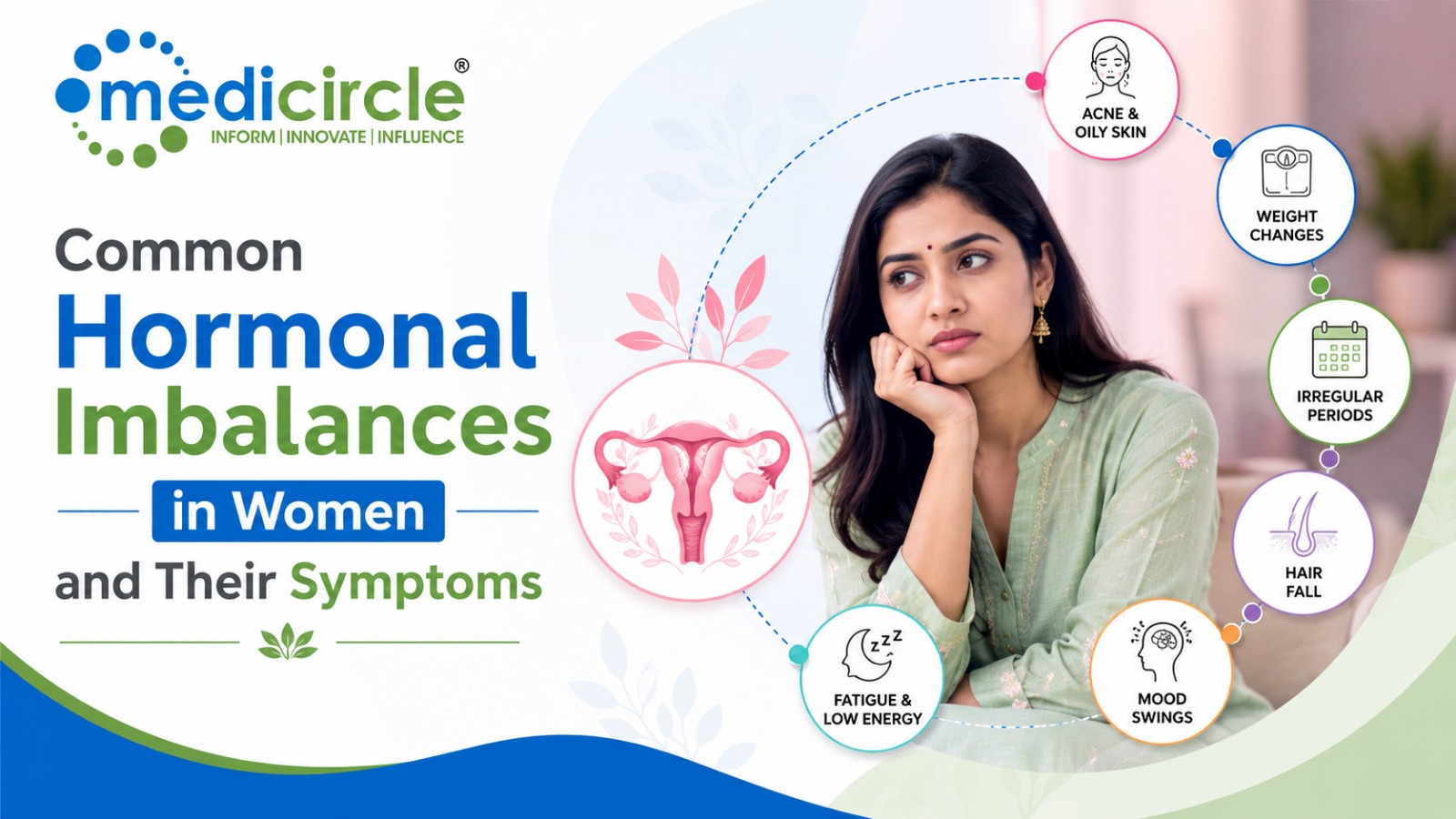
 Common hormonal imbalances in women can affect energy, mood, metabolism, sleep, digestion, and reproductive health in interconnected ways. Understanding hormone health, stress response, gut microbiome balance, and lifestyle influences helps women recognize symptoms early and support hormonal balance more effectively.





Hormones quietly influence almost every part of a woman’s daily life, from energy levels and sleep patterns to mood, metabolism, skin health, and reproductive cycles. Yet many women spend years experiencing unexplained symptoms without realizing that hormonal imbalance may be the underlying reason. Common hormonal imbalances in women often develop gradually, making them easy to dismiss as stress, lifestyle changes, or aging. Understanding how hormone health works and recognizing early symptoms can help women make informed decisions, improve overall well-being, and prevent long-term health complications.
Why Hormonal Balance Matters More Than Most Women Realize
Hormones function like communication messengers inside the body. They help different systems work together smoothly. When hormone levels remain balanced, the body generally adapts well to stress, sleep changes, physical activity, and nutritional needs. However, when one hormone becomes too high or too low, the effects rarely stay isolated. A small imbalance can influence several body systems at once.
This is one reason hormonal imbalance symptoms often feel confusing. A woman may experience fatigue, mood swings, irregular periods, digestive discomfort, headaches, acne, or poor sleep at the same time without seeing an obvious connection. In real life, many women initially focus on treating individual symptoms rather than understanding the hormonal pattern behind them.
Modern lifestyles also contribute heavily to this issue. Long work hours, disrupted sleep schedules, processed food consumption, constant digital stimulation, and chronic stress place pressure on hormone regulation. Women balancing careers, entrepreneurship, studies, caregiving responsibilities, or irregular routines often experience subtle hormonal shifts before symptoms become more noticeable.
Hormonal health is also highly individual. Two women may have similar hormone levels but experience completely different symptoms depending on genetics, metabolism, stress response, gut health, and lifestyle patterns. This variation explains why hormonal imbalance is not always straightforward and why awareness matters more than quick assumptions.
The Most Common Hormonal Imbalances in Women
Several hormone-related conditions affect women globally, but they do not always appear in obvious ways. Some symptoms are physical, while others affect emotional and mental well-being.
Polycystic Ovary Syndrome and Insulin-Related Hormonal ChangesPolycystic Ovary Syndrome, commonly known as PCOS, is one of the most discussed hormonal conditions among women. It often involves irregular menstrual cycles, acne, weight fluctuations, excess facial hair growth, and difficulty managing energy levels. However, the condition behaves differently from person to person.
For some women, symptoms begin during teenage years with irregular periods and skin changes. Others may only notice issues later through fatigue, difficulty maintaining weight balance, or fertility concerns. Insulin resistance also plays a major role in many PCOS cases, which means blood sugar regulation becomes connected to hormone health.
This relationship explains why food habits, sleep quality, and stress levels often influence symptoms more than expected. Women who work irregular shifts or frequently skip meals may notice stronger hormonal fluctuations because the body struggles to maintain stable insulin and cortisol levels simultaneously.
Thyroid Hormone Imbalances and Metabolic ChangesThe thyroid gland strongly influences metabolism, temperature regulation, mood, and energy production. When thyroid hormones become imbalanced, symptoms often develop slowly and may initially appear unrelated.
An underactive thyroid commonly causes fatigue, dry skin, brain fog, slow metabolism, and difficulty tolerating cold temperatures. An overactive thyroid may lead to anxiety, sleep disturbances, rapid heartbeat, and unintentional weight loss.
One challenge with thyroid imbalance is that many women normalize these symptoms for years. A woman managing a demanding career may assume exhaustion is purely workload-related, while sleep disruption may be blamed on stress alone. Hormonal imbalance often hides inside everyday routines because symptoms overlap with modern lifestyle pressures.
Environmental factors may also influence thyroid health. Nutritional deficiencies, poor sleep cycles, chronic stress exposure, and long-term inflammation can all affect hormone regulation over time.
How Stress Hormones Quietly Affect the Female Body
Stress is not only emotional. It is also biological. Cortisol, often called the stress hormone, plays a major role in how the body responds to pressure, uncertainty, sleep disruption, and emotional overload.
When stress becomes chronic, cortisol levels may remain elevated for long periods. This affects other hormones, including reproductive hormones, insulin, and thyroid function. The body begins prioritizing survival responses over balance and recovery.
How Chronic Stress Creates Hormonal Disruption- Sleep disruption changes hormone signaling patterns
Poor sleep affects melatonin, cortisol, insulin sensitivity, and reproductive hormone regulation simultaneously. Women who consistently sleep late or experience interrupted sleep often notice stronger hormonal imbalance symptoms over time because the body loses its natural recovery rhythm. - Long-term stress influences menstrual regularity and energy levels
Chronic emotional pressure can interfere with ovulation and cycle timing. Many women experience delayed periods, worsening PMS symptoms, or increased fatigue during high-stress periods without immediately connecting it to hormone health. - Stress eating and irregular nutrition affect insulin balance
During stressful periods, cravings for processed or sugary foods increase in many individuals. This creates blood sugar fluctuations that may worsen hormonal imbalance, especially in women already prone to insulin resistance or PCOS-related symptoms.
The relationship between stress and hormones becomes especially important in high-performance lifestyles. Entrepreneurs, business owners, students, and professionals working under constant deadlines may unknowingly create hormonal patterns that slowly affect long-term health.
Hormonal Imbalance Symptoms That Often Get Ignored
One reason hormonal imbalance remains underrecognized is because symptoms rarely appear all at once. Instead, the body sends subtle signals over time.
Fatigue is one of the most commonly ignored symptoms. Many women continue functioning through exhaustion because productivity culture often rewards overworking. However, persistent low energy combined with poor sleep, irritability, headaches, or cycle irregularities may point toward deeper hormone-related issues.
Skin and hair changes also provide important clues. Acne appearing around the jawline, increased hair shedding, or unusual facial hair growth may indicate changes in androgen hormones or insulin balance.
Digestive changes are another overlooked connection. Gut health and hormone health strongly influence each other. Poor digestion, bloating, constipation, or inflammation can affect estrogen metabolism and worsen hormonal symptoms.
Mood-related symptoms are equally important. Anxiety, emotional sensitivity, low motivation, and brain fog are not always psychological issues alone. Hormones influence neurotransmitters, which means emotional changes can sometimes reflect underlying biological imbalance.
The Role of Food, Gut Health, and Daily Habits in Hormone Regulation
Hormones respond continuously to daily habits. This means small lifestyle patterns repeated consistently often influence hormone balance more than short-term changes.
Nutrition affects insulin, cortisol, thyroid hormones, and reproductive hormones simultaneously. Highly processed food patterns may increase inflammation and blood sugar instability, which then affects hormone signaling throughout the body.
Gut health is another major factor. The gut microbiome helps regulate estrogen processing and inflammation levels. When gut balance becomes disrupted due to poor food habits, stress, or irregular routines, hormonal symptoms may intensify.
Daily Habits That Commonly Influence Hormonal Health- Eating patterns affect hormone stability throughout the day
Frequently skipping meals or eating inconsistently can disrupt blood sugar regulation and cortisol balance. Over time, this may increase fatigue, cravings, irritability, and hormonal imbalance symptoms linked to metabolism and stress response. - Movement and physical activity support hormone regulation naturally
Regular movement improves insulin sensitivity, circulation, and stress management. However, excessive exercise without recovery may also create hormonal stress in some women, especially when combined with inadequate nutrition or sleep. - Digital overstimulation impacts sleep and recovery cycles
Constant screen exposure late at night affects melatonin production and sleep quality. Since hormonal repair processes depend heavily on proper sleep cycles, long-term disruption may worsen existing imbalances.
The goal is not perfection but consistency. Hormonal health usually responds better to stable habits than extreme routines.
Why Hormonal Symptoms Vary Across Different Life Stages
Hormonal changes naturally occur throughout life, but symptoms vary depending on age, environment, genetics, and lifestyle.
Teenagers often experience hormonal fluctuations during puberty, including acne, irregular periods, and emotional sensitivity. In early adulthood, stress, career pressure, and changing routines may intensify symptoms related to cortisol and reproductive hormones.
Women in their late thirties and forties may begin noticing shifts related to perimenopause, including sleep changes, mood fluctuations, or cycle irregularities. These transitions are often gradual rather than sudden.
Pregnancy, postpartum recovery, and menopause also create major hormonal transitions. However, even outside these phases, lifestyle and environmental factors continuously shape hormone behavior.
This variation is important because there is no universal hormonal experience. Understanding personal patterns becomes more valuable than comparing symptoms with others.
The Challenge of Identifying Hormonal Imbalance Early
Hormonal imbalance is often difficult to recognize early because symptoms overlap with everyday life. Fatigue may appear normal in demanding careers. Stress-related eating habits may feel temporary. Poor sleep may be blamed on busy schedules.
This delay in recognition is one reason hormonal symptoms sometimes become more noticeable over time. The body often adapts for long periods before stronger symptoms appear.
Awareness helps women respond earlier rather than waiting until symptoms significantly disrupt quality of life. Understanding patterns, lifestyle influences, and symptom connections creates a more informed and balanced approach to hormone health.
Conclusion
Common hormonal imbalances in women rarely appear as a single symptom. They develop through interconnected patterns involving stress, sleep, metabolism, nutrition, and lifestyle habits. Understanding these connections helps women recognize early symptoms more clearly and respond with greater awareness.
Hormonal health is not about perfection or fear. It is about understanding how the body communicates through energy, mood, digestion, sleep, and cycle changes. Small, consistent lifestyle adjustments and early awareness often play a meaningful role in supporting long-term balance and overall well-being.
Frequently Asked Questions (FAQs)
1. What are the earliest signs of hormonal imbalance in women?Early hormonal imbalance symptoms often appear gradually through fatigue, mood swings, acne, irregular periods, poor sleep, or unexplained weight changes. These signs are commonly connected to shifts in hormone health and stress response. Understanding these early health effects helps women recognize patterns before symptoms become more disruptive.
2. Why do hormonal imbalances affect mood and emotions so strongly?Hormones directly influence brain chemicals linked to mood, focus, and emotional balance. When hormone levels fluctuate, women may experience anxiety, irritability, low motivation, or emotional sensitivity. This connection between stress hormones and the gut microbiome also explains why emotional symptoms sometimes appear alongside digestive discomfort.
3. Can lifestyle habits make hormonal imbalance worse over time?Yes, long-term lifestyle patterns strongly affect hormone regulation. Poor sleep, irregular meals, high stress, and lack of recovery can gradually disrupt hormone signaling. Small lifestyle adjustments such as stable routines, balanced nutrition, and stress management often help support better hormonal balance naturally.
4. How does gut health influence hormonal balance in women?The digestive system and hormones work closely together. A healthy gut microbiome helps regulate estrogen processing and inflammation levels inside the body. Poor digestion, processed food habits, or chronic stress may affect hormone balance and increase symptoms over time.
5. Why do some women experience hormonal symptoms differently than others?Hormonal imbalance behaves differently based on genetics, metabolism, stress levels, sleep quality, and overall lifestyle. Two women may have similar hormone fluctuations but experience completely different symptoms because the body’s stress response and recovery patterns vary individually.
6. Can hormonal imbalance affect productivity and work performance?Yes, hormonal changes can influence concentration, energy levels, memory, and emotional regulation. Many women experience brain fog, fatigue, or low motivation during periods of hormonal fluctuation. Understanding these effects of hormonal imbalance helps explain why productivity sometimes changes unexpectedly.
7. How are sleep problems connected to hormone health?Sleep is one of the body’s most important recovery systems. Poor sleep affects cortisol, melatonin, insulin balance, and reproductive hormones simultaneously. Consistent sleep patterns and simple healthy lifestyle habits support hormone repair and overall hormonal stability.
8. Do food habits really influence hormonal imbalance symptoms?Yes, nutrition plays a major role in hormone regulation. Highly processed foods, irregular eating schedules, and blood sugar fluctuations may increase inflammation and worsen symptoms. Balanced meals and supportive gut health tips help improve energy, metabolism, and hormone balance over time.
9. Why do hormonal symptoms often increase during stressful periods?During stress, the body produces more cortisol, which can interfere with reproductive and metabolic hormones. This often leads to irregular cycles, cravings, poor sleep, or fatigue. Understanding how stress affects hormones helps explain why symptoms become stronger during emotionally demanding periods.
10. Can hormonal imbalance symptoms change with age?Yes, hormone patterns naturally shift across different life stages. Teen years, adulthood, pregnancy, postpartum recovery, and menopause all influence hormone levels differently. Age-related changes combined with lifestyle factors and metabolism create different hormonal experiences throughout life.





-23-300x250.png)

.jpeg)







.jpg)
.jpg)
.jpg)
.jpg)
.jpg)
.jpg)
.jpg)
.jpg)
.jpg)

