Tuesday, October 27, 2026
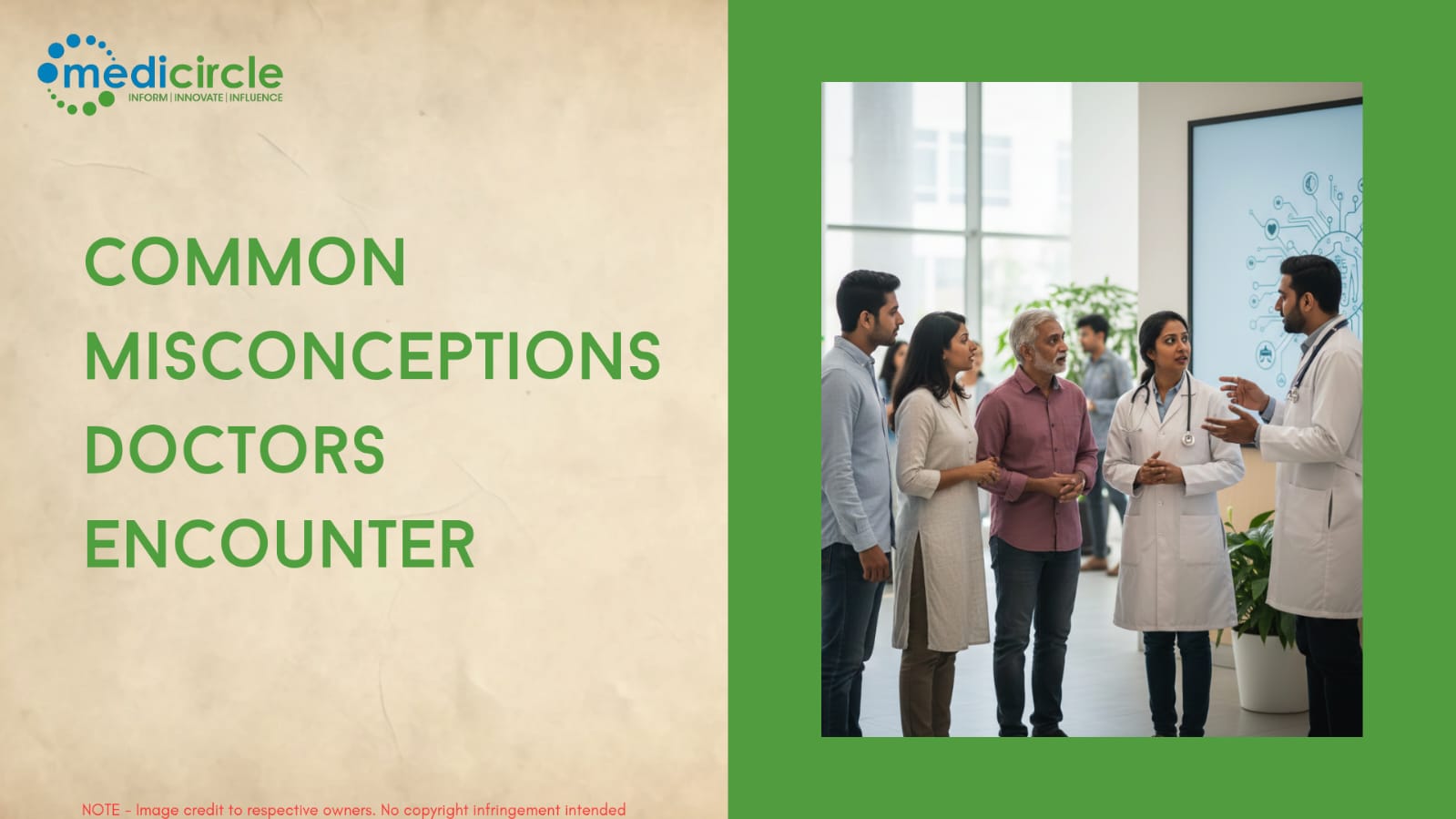
 Many everyday health beliefs delay care or cause harm. Doctors frequently correct misconceptions about antibiotics pain internet diagnosis natural remedies diet myths and the importance of trusted medical guidance.




We all want to do what is best for our health. Often that means listening to the advice of family friends or something we read online. But what if some of that common advice is actually wrong? Doctors across India report that a big part of their job involves gently correcting well-intentioned but mistaken beliefs that patients bring into the clinic. These myths can sometimes get in the way of getting the right care.
Let us talk about a few of the most common ones. You might recognize some of them.
Antibiotics are not candy:
This is perhaps the classic example. Many people walk into a doctor’s office with a runny nose cough and fever fully expecting to walk out with a prescription for antibiotics. There is a feeling that a strong medicine is needed to knock out the illness.
Here is the truth doctors want everyone to understand: antibiotics only work against infections caused by bacteria. The common cold and most cases of the flu and sore throat are caused by viruses. Taking antibiotics for a viral infection is like using a mosquito net to stop the rain it is the wrong tool for the job. Not only does it do nothing for your virus but it can also contribute to a dangerous problem called antibiotic resistance. When antibiotics are overused bacteria learn to fight them off making future bacterial infections much harder to treat. For a common cold the best medicine is usually time rest plenty of fluids and remedies that ease your symptoms.
Waiting for right kind of pain:
How often have you thought “It does not hurt that much, I will wait and see?” We often believe that serious health problems announce themselves with dramatic severe pain. Because of this people ignore persistent warnings that are not intensely painful.
Doctors see the consequences of this delay. A lingering indigestion like feeling in the chest a tiny lump that does not hurt constant tiredness or a change in how your body normally functions can all be whispers from your body that something needs checking. Waiting for that whisper to become a scream can mean missing a crucial early window for treatment. Conditions like early stage diabetes heart issues or certain cancers often start quietly. Listening to those subtle persistent changes and getting them checked is a sign of smart health awareness not weakness.
The internet is not a doctor:
It is so easy to do. You get a headache you type the symptoms into a search engine and suddenly you are convinced you have a rare neurological condition. This instant often alarming self-diagnosis is so common it has a name: Cyber-chondria.
Doctors are not against you being informed. The problem is that an online symptom checker is a generic tool. It does not know you your medical history or your body. It cannot do a physical exam. Walking into a doctor’s appointment already convinced you have a specific disease can actually derail the process. A good doctor pieces together a puzzle your symptoms their observations during an exam your personal history and sometimes test results. An online search can provide pieces but it cannot put the puzzle together correctly. Use the internet to learn about health but use a doctor to understand your health.
Natural is not always safe:
India has a deep and valuable history of traditional wellness practices. Sometimes this leads to the idea that anything natural or herbal is completely harmless and can be taken freely alongside any other medicine.
Medical professionals respect traditional knowledge but they also see the risks. Herbal supplements are not just gentle plants; they contain active compounds that can have strong effects. They can interfere dangerously with prescription medicines. For example some herbs can thin your blood which is dangerous if you are already on blood thinning medication. Others can affect blood sugar levels complicating diabetes management. The safest approach is to always without exception tell your doctor about every single supplement herb or alternative therapy you are using. This lets them protect you from dangerous interactions.
Misguided food rules:
Old sayings and rigid food-bans are deeply ingrained.
- Do not eat fruit at night.
- Avoid rice when you have a fever.
- Ghee is bad for a cough.
Patients often impose strict confusing diets on themselves when they are sick which can sometimes slow down recovery.
What do nutritionists say? Unless you have a specific diagnosed condition like a food allergy or kidney disease your body needs balanced nutrition to fight illness and heal. When you have a fever your immune system is working hard and actually needs more energy and fluids. Depriving yourself of good calories can make you feel worse. Instead of following scary one size fits all food rules have a conversation with your doctor or a dietitian. They can give you dietary advice that actually supports your specific health needs.
A trusted guide:
With so much information and misinformation out there who should you listen to? The most consistent advice from the medical community is simple: build a trusting partnership with a qualified healthcare provider.
See them as your guide. Ask them questions. Why are you suggesting this test? Can I take this home remedy with my prescription? A good doctor will welcome these questions. When you and your doctor work together as a team you make the best decisions for your health. Just as a leading healthcare group relies on experienced leadership to guide it your personal health thrives best under professional personalized guidance. Clearing up these common myths is a great first step on that journey.





-23-300x250.png)

.jpeg)






.jpg)
.jpg)
.jpg)
.jpg)
.jpg)
.jpg)
.jpg)
.jpg)
.jpg)