 Tuesday, October 27, 2026
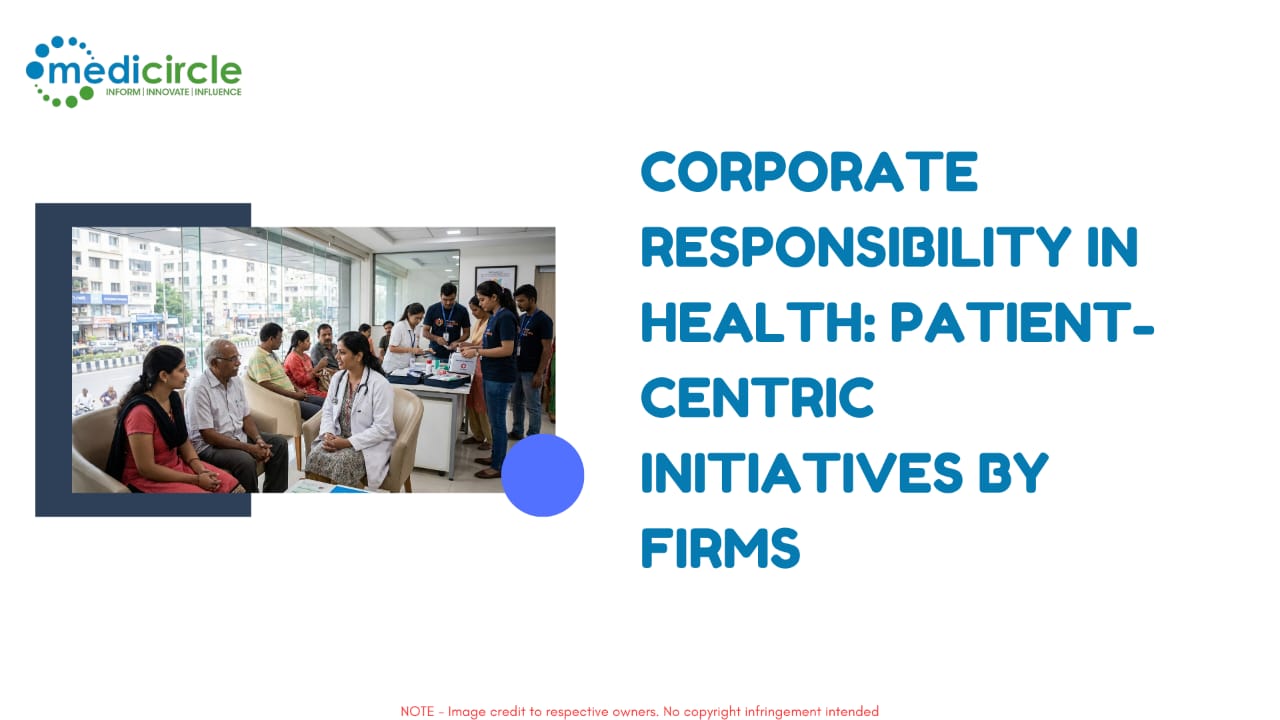
 Indian healthcare is witnessing a shift where companies move beyond charity to patient focused care, addressing emotional, financial and social needs to build trust and strengthen the healthcare ecosystem.




There is a new story being written in Indian healthcare today. You will not find it only in medical journals or financial reports. It is being written in the choices companies are making, choices that place the patient at the very center of their vision. This is a move beyond obligatory charity. It is a conscious shift towards understanding the real human needs behind every medical case number.
For businesses, this means asking a different question. Instead of just asking what we can give, they are learning to ask what this person truly needs to heal. The answer to that question is changing everything.
More than a donation:
Let us be honest. In the past, corporate help in healthcare could feel distant. A new building is essential and a free check-up camp is helpful. But for a patient navigating a long term illness, these gestures, while good can sometimes miss the mark. The real struggle often lies in the journey, the emotional toll, the mounting costs and the confusing aftercare.
That is where the new approach comes in. Progressive organizations are now designing initiatives that act as companions. They walk the path with the patient. This philosophy sees health for what it truly is a deeply personal human experience. It is about preserving dignity, ensuring access and offering support that goes beyond the prescription pad.
This evolution mirrors a wider change. As trusted platforms like Medicircle.in empower people with knowledge, the role of corporations is naturally adapting. They are becoming active partners in the ecosystem, using their scale to tackle specific problems that patients quietly discuss in waiting rooms.
Stories that define the change:
How does this philosophy look in real life? The proof is in the stories from hospitals and companies across India. They show that putting the patient first is not a single action; it is a mindset that takes many forms.
Seeing the whole person: Take the approach towards tuberculosis in vulnerable communities. A hospital like Artemis understands that powerful antibiotics are only part of the solution. A body weakened by poor nutrition cannot fight effectively. By integrating food and nutritional aid directly into their tuberculosis programs, they treat the person, not just the infection.
This holistic thinking is visible elsewhere. Consider Sparsh Hospital’s Vachana initiative. It provides complex corrective surgeries for children free of cost. For a child, this is not just a procedure; it is the gift of a normal childhood and an unhindered future. Their Guru Namana program does the same for retired teachers in rural areas, offering joint replacements that restore not just mobility, but independence and respect in later years.
Support behind the medicine: Pharmaceutical companies are also redefining their role. For instance, Novartis ran a program for over twenty years that provided a critical cancer drug at no cost to eligible patients in India. This was not a short term campaign; it was a sustained commitment to saving lives that would otherwise be lost.
The support also goes beyond the medicine itself. Companies like Roche India run programs designed to simplify the lives of patients with chronic conditions. They help families navigate the complex maze of treatment, insurance and care logistics. For a family in crisis, this guidance can be as vital as the medicine.
Investing in tomorrow’s health: Some efforts aim to strengthen the very foundations of the healthcare system. The Tata group’s legacy, represented by the Tata Memorial Centre, has for decades made world class cancer care accessible to countless Indians regardless of their ability to pay. Similarly, GSK India focuses on building capacity by funding medical scholarships, training future doctors and supporting national efforts to eliminate diseases affecting marginalized communities. These are investments in the future of the nation’s health.
Why this change matters:
This patient centric shift is not just ethical; it creates a powerful ripple effect that benefits everyone.
For patients, it means less financial distress and less fear. It leads to better treatment adherence and improved outcomes. Most importantly, it makes people feel seen and valued as human beings.
For companies, it builds something that money cannot buy, genuine trust and a stronger bond with society. Employees feel pride knowing their work directly touches lives.
For an overburdened healthcare system, these initiatives provide essential support. They fill gaps, test new models of care and encourage collaboration, making the entire ecosystem more resilient.
Building a legacy of care:
The old script of corporate responsibility in healthcare is being rewritten. It is no longer a side initiative; it is becoming part of the core mission.
The most impactful programs share one common trait, they listen. They listen to patients who cannot afford the final cycle of therapy. They listen to families sleeping in hospital corridors. They listen to communities that have never had access to a specialist.
This is an invitation to all of us, as readers, patients and professionals, to recognize and support this deeper form of responsibility. When we value companies that see the person behind the patient, we encourage more businesses to follow the same path.
The ultimate goal is simple. A future where the first question behind every corporate healthcare initiative is, will this help someone heal. When that question leads the way, we move closer to a healthier India.





-23-300x250.png)

.jpeg)






.jpg)
.jpg)
.jpg)
.jpg)
.jpg)
.jpg)
.jpg)
.jpg)
.jpg)

