Sunday, October 25, 2026
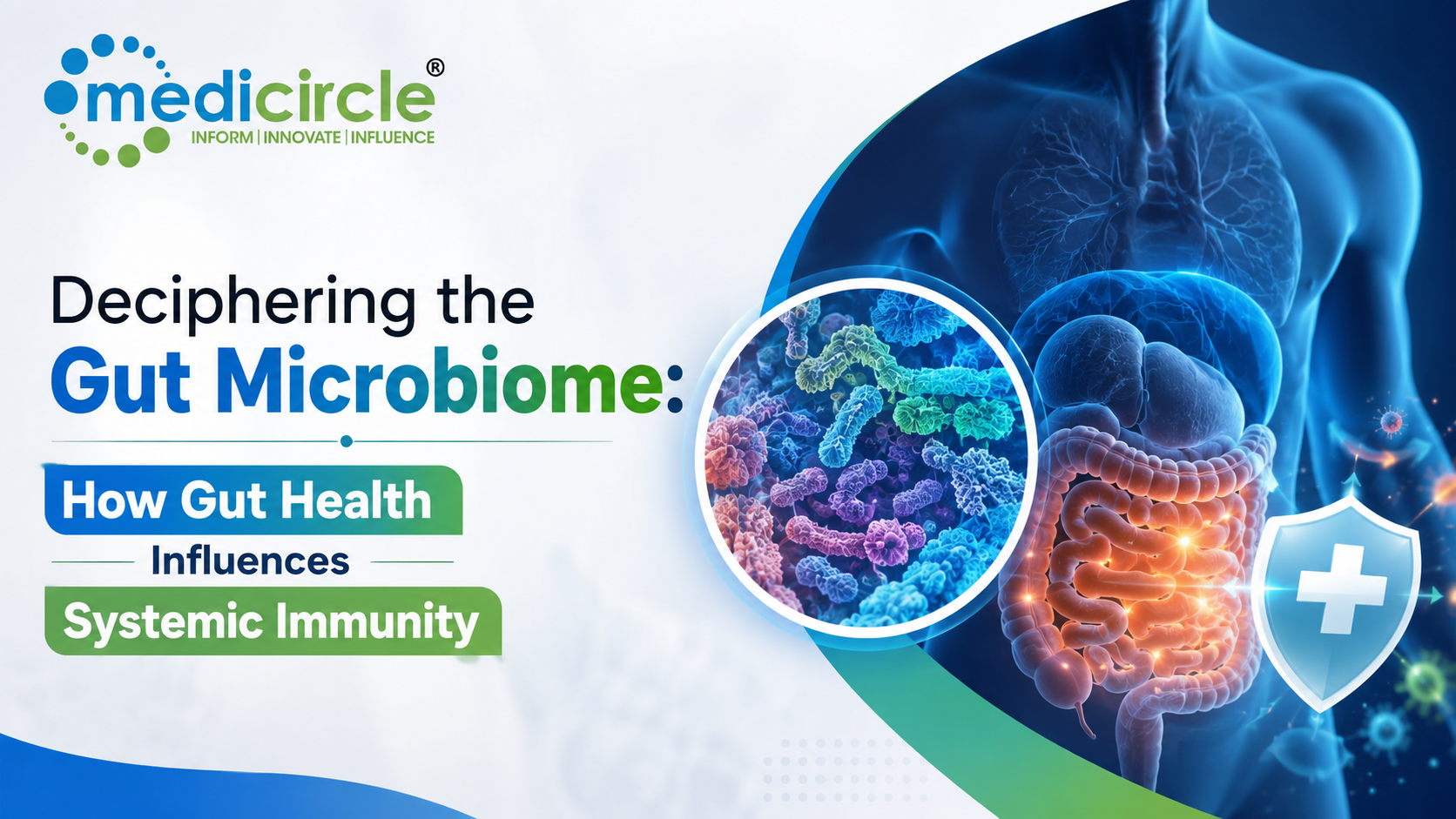
 Modern immunology has transformed our understanding of the immune system, revealing it as an interconnected network that communicates with nearly every organ in the body. This evolving perspective is driving breakthroughs in precision medicine, disease prevention, and personalized therapies.




The understanding of human immunology has shifted fundamentally over the past decade. Medical science no longer views the immune system as an isolated network of circulating white blood cells and lymphatic tissues operating independently. Contemporary gastroenterology, molecular biology, and immunology highlight a different reality: systemic immunity is deeply connected to the gut microbiome.
The human gastrointestinal tract houses a massive, complex ecosystem containing trillions of microscopic organisms, including bacteria, viruses, fungi, and archaea. This community does not simply assist with digestion.
Because nearly 70% to 80% of the body's entire immune cell population resides directly within the gut lining, your internal microbes act as a primary command center. They train your immune cells, balance inflammatory pathways, and protect the delicate structural barriers that separate the external environment from the rest of your body.
When your gut ecosystem loses its natural balance—a state known as dysbiosis—the protective lining weakens. Microscopic gaps open up between cells, allowing toxic bacterial pieces and undigested food particles to enter the bloodstream directly. This leakage triggers chronic, low-grade systemic inflammation, which can exhaust your energy, alter immune responses, and increase the risk of developing autoimmune disorders, metabolic issues, and modern allergies.
Transitioning away from generic gut health trends to focus on data-driven, evidence-based microbiome care resolves these operational vulnerabilities. By providing targeted prebiotics, fermentable plant fibers, and supportive lifestyle choices, you can strengthen your gut barrier, lower chronic inflammation, and build a resilient foundation for long-term physical health.
1. The Cellular Architecture of Gut-Mediated Immunity
To build an effective strategy for immune health, we must first trace the molecular pathways that connect our gut microbes to the rest of the body. The digestive system manages this internal protection network through two primary mechanisms:
The Integrity of Epithelial Tight JunctionsThe lining of the intestine consists of a single layer of specialized epithelial cells bound together by a complex network of proteins, primarily claudins, occludins, and zonula occludens-1 (ZO-1).
These tight junctions act as intelligent gates, keeping harmful pathogens and large toxic compounds inside the digestive tract while allowing small, vital nutrients to absorb into the bloodstream cleanly. When bad bacteria take over, these protein gates break down, causing a condition known as intestinal hyperpermeability (leaky\ gut). This breakdown forces immune cells to remain in a state of high alert, driving systemic inflammation.
The Power of Short-Chain Fatty Acids (SCFAs)When beneficial gut microbes ferment dietary plant fibers, they produce vital chemical compounds called Short-Chain Fatty Acids, primarily acetate, propionate, and butyrate. These molecules serve as essential messengers throughout the body.
Butyrate acts as the direct fuel source for the cells lining your colon, helping them repair and maintain tight junctions. At the same time, acetate and propionate travel through the bloodstream to interact with specialized receptors (GPR41\ and\ GPR43) on your immune cells. This interaction trains your system to respond sharply to actual infections while preventing it from overreacting to everyday substances, lowering the risk of allergy and auto-immune flare-ups.
2. Core Infrastructure: The Microbiome Calibration Strategy
To successfully optimize your gut environment without triggering digestive distress or relying on superficial trends, your daily wellness routine should anchor around three evidence-based operational pillars:
- High-Density Diversity Plants and Fermentable Fibers: Move past simple fiber powders. To feed a broad spectrum of beneficial microbes, aim to consume at least 30 distinct types of plant-based foods weekly, incorporating a rich mix of whole grains, colorful vegetables, raw nuts, seeds, and legumes to provide your gut with diverse prebiotic fuels.
- Targeted Fermented Foods and Probiotic Anchors: Introduce live, beneficial cultures cleanly into your daily meals. Incorporate traditional, unpasteurized fermented foods—such as high-quality plain Greek yogurt, traditional buttermilk, authentic kefir, sauerkraut, or kimchi—to steadily supply your digestive tract with active lactic acid bacteria.
- Circadian Syncing and Circadian Rest Windows: Protect your gut microbes from chronic stress by giving them regular time to rest. Maintain a consistent 12-to-14 hour overnight fasting window, allowing your digestive tract to run its natural cleaning cycle (the\ Migrating\ Motor\ Complex), which clears away old debris and balances bacterial growth patterns cleanly.
Comparative Matrix: Fragmented Dietary Trends vs. Strategic Microbiome Calibration
The table below contrasts the limits of generic digestive habits against the long-term advantages of a strategic microbiome calibration routine.
|
Human Vitality Vector Matrix |
Fragmented Legacy Dietary Trends |
Strategic Microbiome Calibration |
Long-Term Strategic Biological Edge |
|---|---|---|---|
|
Fiber Intake Focus |
Standard processed fiber logs with minimal plant variety. |
Diverse multi-plant rotation strategy (\ge30 types weekly). |
Unlocks the growth of multiple helpful bacterial families. |
|
Probiotic Blueprint |
Random use of high-dose synthetic pill formulas. |
Authentic unpasteurized fermented foods + real prebiotics. |
Boosts live culture survival rates inside the gut. |
|
Structural Barrier Care |
Ignoring gut lining stability until severe issues emerge. |
Proactive barrier support using butyrate-producing foods. |
Rebuilds tight junctions, stopping systemic inflammation at the source. |
|
Daily Meal Scheduling |
Continuous snacking all day and late into the evening hours. |
Enforced overnight fasting windows (12 to 14 hours). |
Triggers natural cleaning paths to clear out waste. |
|
Nervous System Profile |
High stress habits that impair digestion and reduce blood flow. |
Active parasympathetic balancing during major meals. |
Protects beneficial bacteria from stress-induced damage. |
3. High-Performance Action Plan for Daily Gut Health
To successfully update your lifestyle habits and build an automated defense system around your digestive health, execute this multi-phase operational protocol:
- Conduct a Detailed Weekly Plant Diversity and Digestion Audit
Phase 1
Map out your current eating habits. Count exactly how many distinct plant varieties you consume over a standard seven-day period, and track any recurring patterns of bloating or low energy to set a clear baseline. - Re-Engineer Your Meals Around Prebiotics and Fermented Lipids
Phase 2
Upgrade your daily nutrition. Diversify your grocery trips to stock up on onions, garlic, leeks, and oats, and add a single small portion of unpasteurized fermented food into your daily lunch or dinner blocks. - Lock in Screen-Free, Restorative Overnight Fasting Windows
Phase 3
Protect your nightly recovery hours. Finish your last meal at least three hours before bedtime, ensuring your smartphone and work devices are put away to give your brain and gut a clean, screen-free rest window.
Actionable Strategy: Your Long-Term Wellness Roadmap
- Link Individual Wellness Records Natively with the Universal ABHA Framework: Ensure your complete medical profiles, gastroenterological tracking data, and clinical lab panels sync cleanly with national healthcare networks. Storing your records natively using a verified ABHA ID via the Ayushman Bharat Digital Mission (ABDM) interface preserves your complete health timeline, prevents duplicate charting across separate clinics, and simplifies monitoring your long-term metabolic health.
- Deploy a High-Quality, Structured Physical Movement Routine: Boost your gut motility naturally. Engage in 150 minutes of moderate-intensity physical activity weekly—such as brisk walking, swimming, or gentle yoga—to stimulate healthy intestinal contractions, improve blood flow to your digestive tract, and encourage a highly diverse microbial environment.
- Conduct Semi-Annual Biomarker and Metabolic Health Evaluations: Keep a data-driven eye on your internal biochemistry. Visit a certified laboratory twice a year to check vital metabolic markers, tracking parameters like high-sensitivity C-reactive protein (hs\text{-}CRP) inflammation scores, HbA1c ratios, and lipid profiles to confirm your wellness habits fully protect your long-term cardiovascular health.
Frequently Asked Questions (FAQs)
Q1. How exactly does the health of my gut microbiome affect my body's immune system?Nearly 70% to 80% of your body's immune cells live directly inside the gut lining. Helpful gut microbes train these cells to identify actual infections accurately while preventing them from overreacting to everyday elements, keeping systemic inflammation low.
Q2. What exactly are intestinal epithelial tight junctions, and why do they matter?Tight junctions are specialized protein gates that lock intestinal cells together. They form a secure barrier that keeps harmful toxins and bacteria inside the digestive tract while allowing beneficial nutrients to cross safely into the blood.
Q3. Why is eating 30 distinct types of plants weekly highly recommended for gut health?Different bacterial families thrive on different types of plant fibers. Eating a wide variety of plants ensures all your beneficial microbes receive the specific prebiotic fuels they need to grow, leading to a resilient ecosystem.
Q4. What are Short-Chain Fatty Acids (SCFAs), and how do they support our body?SCFAs are healthy chemical compounds produced when beneficial microbes ferment dietary fiber. They serve as a direct energy source to repair the gut lining and travel through the blood to calm excessive systemic inflammation.
Q5. What is the role of an ABHA ID in monitoring personalized metabolic health?An Ayushman Bharat Health Account (ABHA) ID acts as a secure, lifetime digital record that links your clinical lab panels, vaccination histories, and doctor reports cleanly across verified clinics and national medical networks.
Q6. Can high psychological stress actively alter the mix of bacteria inside the gut?Yes, absolutely. High stress shifts the body into a sympathetic survival state, reducing blood flow to the digestive tract and altering local mucus layers. This environment damages helpful bacteria while allowing inflammatory strains to multiply.
Q7. What are the early warning signs that show a gut ecosystem has lost its balance?Primary indicators include persistent abdominal bloating after regular meals, recurring indigestion or acid reflux, unpredictable bowel habits, frequent skin breakouts, unexplained brain fog, and a general drop in daily energy.
Q8. What parameters are continuously evaluated on a 360-degree gut wellness card?A holistic digestive scorecard tracks metrics past simple stool habits, cross-referencing daily plant diversity counts, consistency of overnight fasting blocks, systemic inflammation indices, sleep recovery scores, and daily energy stability ratings.
Q9. How fast can an individual expect an improvement in digestion after starting this routine?When you replace highly processed foods with diverse plant fibers, incorporate unpasteurized fermented foods daily, and protect your nightly rest windows, the return is steady. You can observe improved digestion and more consistent energy within 4 to 6 weeks of active execution.
Q10. What immediate steps should someone take if a course of antibiotics disrupts their gut?Act promptly: focus your meals around gentle, easily digestible whole foods, add small daily portions of live fermented cultures like plain yogurt to help reseed the tract, minimize processed white sugars that feed bad strains, and avoid harsh fiber choices until comfort returns.





-23-300x250.png)

.jpeg)


.jpg)
.jpg)
.jpg)
.jpg)
.jpg)
.jpg)
.jpg)
.jpg)
.jpg)