Tuesday, October 27, 2026
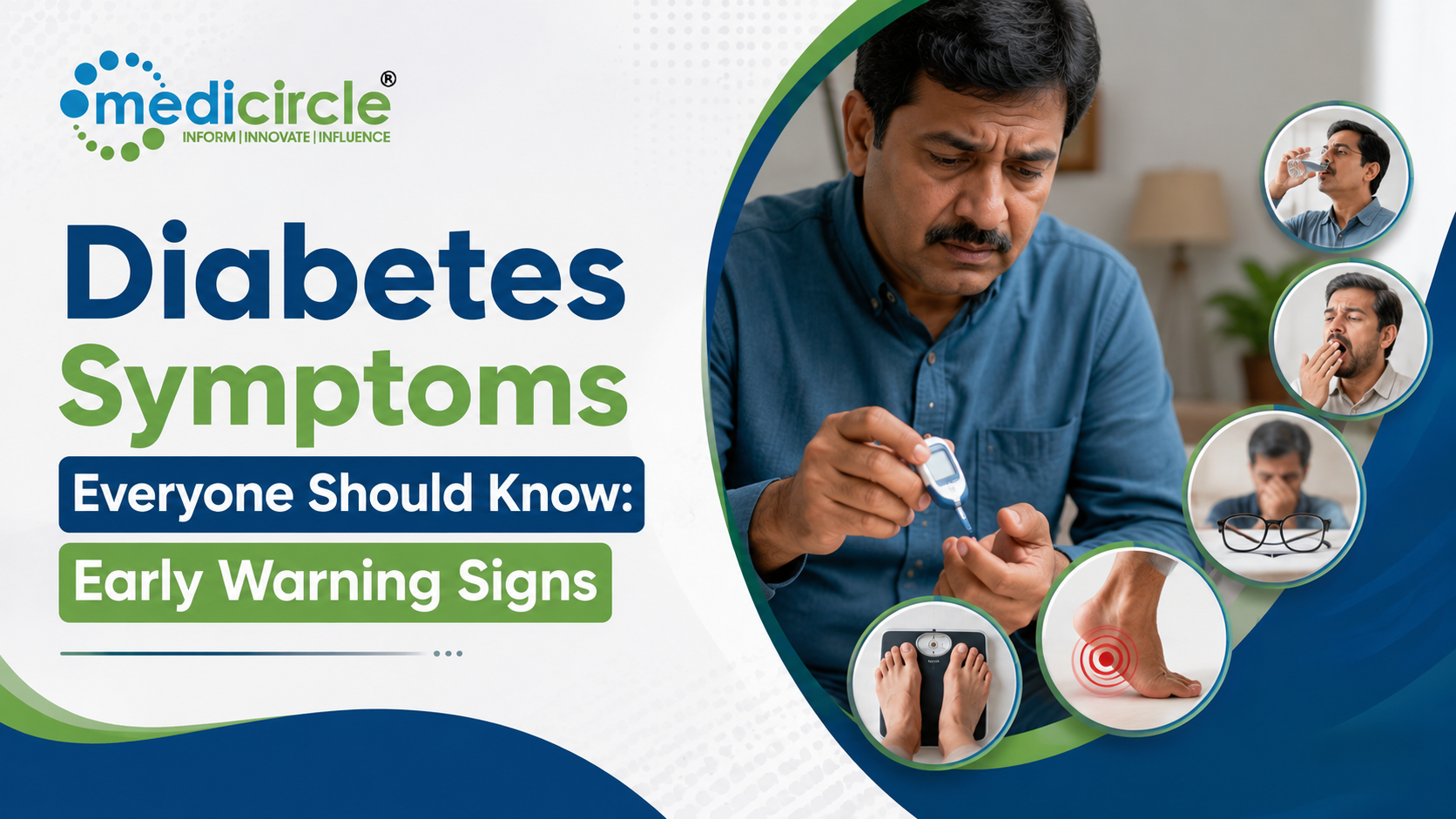
 Diabetes often develops silently in India, especially among lean individuals. This guide explains early and advanced symptoms, risk factors, diagnosis, and prevention strategies for Indian readers.




Introduction
Diabetes has quietly become one of India's most pressing public health concerns. According to the International Diabetes Federation, India is home to an estimated 89 million adults living with diabetes, the second largest diabetes burden of any country in the world. What makes this number more concerning is not just its size but how invisible the condition often remains. Nearly half of all adults with diabetes in South Asia are believed to be undiagnosed, and Indian national survey data shows that fewer than a third of those with diabetes are even aware they have it.
This is precisely why recognising the symptoms of diabetes matters so much. Diabetes does not always announce itself with dramatic signs. It can develop gradually, hide behind everyday complaints like tiredness or frequent urination, and only reveal itself once complications such as nerve damage, vision problems, or kidney issues have already begun. Understanding the early and advanced symptoms of diabetes, knowing the difference between how type 1, type 2, and gestational diabetes present, and recognising why Indians face a distinct risk pattern can help families seek timely diagnosis and avoid years of silent damage to the body.
This article brings together the most current medical understanding of diabetes symptoms, written specifically with the Indian population, lifestyle, and healthcare context in mind.
Understanding Diabetes: The Basics Every Reader Should Know
Diabetes mellitus is a group of conditions that affect how the body processes glucose, the sugar that serves as the primary fuel for cells throughout the body. Normally, the pancreas releases a hormone called insulin that allows glucose from food to move out of the bloodstream and into cells, where it is used for energy. When this process breaks down, either because the pancreas does not produce enough insulin or because the body's cells stop responding properly to it, glucose accumulates in the blood instead of being used efficiently. Over time, this excess sugar in the bloodstream begins to damage blood vessels, nerves, and organs throughout the body.
There are several recognised types of diabetes, and each one tends to present differently:
- Type 1 diabetes occurs when the immune system mistakenly attacks and destroys the insulin producing cells of the pancreas. It is most often diagnosed in children and young adults, although it can begin at any age, and it requires lifelong insulin therapy.
- Type 2 diabetes is the most common form, accounting for the vast majority of diabetes cases in India. It develops when the body becomes resistant to insulin or the pancreas gradually loses its ability to produce enough of it. This type often develops slowly over the years and is closely linked to lifestyle, weight, and genetic factors.
- Prediabetes describes blood sugar levels that are higher than normal but not yet high enough to be classified as diabetes. It is a critical warning stage, because lifestyle changes at this point can often prevent or delay the progression to full diabetes.
- Gestational diabetes develops during pregnancy and usually resolves after delivery, although it raises the mother's long-term risk of developing type 2 diabetes later in life.
Understanding which type is involved matters because the speed at which symptoms appear, and the urgency of seeking care differ considerably between them.
Why Diabetes Looks Different in Indian Bodies
One of the most important things for Indian readers to understand is that diabetes does not always follow the pattern seen in Western medical literature, where it is closely tied to visible obesity. Research on what scientists call the Asian Indian phenotype has shown that Indians tend to carry a higher percentage of body fat and more abdominal fat at a given body mass index compared to European populations. This means a person can appear slim, have a body mass index well within the so-called normal range, and still be living with significant insulin resistance or even diagnosed diabetes. This pattern is sometimes referred to as lean diabetes, and it is far more common in India than many people realise.
This is also why Indian and international diabetes associations recommend lower waist circumference thresholds, generally above 90 centimetres in men and above 80 centimetres in women, as a more reliable warning sign of risk than body mass index alone. A person should not assume they are safe from diabetes simply because they are not overweight in the conventional sense. Family history, abdominal fat distribution, and lifestyle patterns matter just as much, if not more.
Recognising the Symptoms of Diabetes
Common Early SymptomsSeveral symptoms tend to appear across most types of diabetes, although their intensity and speed of onset vary. Readers should pay close attention if they notice a combination of the following:
- Feeling thirstier than usual, often described as an unusual or persistent thirst that does not go away even after drinking water
- Urinating more frequently than normal, including the need to wake up at night to urinate
- Feeling unusually hungry, even shortly after a meal
- Persistent fatigue or a general lack of energy that is not explained by poor sleep or overwork
- Blurred vision caused by fluid shifts affecting the lens of the eye
- Unexplained weight loss, despite eating normally or even more than usual
- Slow healing of cuts, wounds, or sores
- Frequent infections, including skin infections, urinary tract infections, and vaginal yeast infections in women
These symptoms occur because excess glucose in the blood pulls fluid out of tissues, forces the kidneys to work harder to filter and excrete sugar, and weakens the body's ability to fight infection and heal wounds efficiently.
How Type 1 Diabetes Symptoms DifferIn type 1 diabetes, symptoms tend to appear suddenly and progress quickly, often within a span of days to a few weeks. This is particularly important for parents to understand, since type 1 diabetes is frequently diagnosed in children and adolescents. A child who has started drinking water excessively, wetting the bed again after being previously toilet trained, losing weight rapidly, or appearing unusually tired should be evaluated promptly. If left unrecognised, type 1 diabetes can progress to a dangerous complication called diabetic ketoacidosis, marked by nausea, vomiting, abdominal pain, rapid breathing, and a distinctive fruity smell on the breath. This is a medical emergency that requires immediate hospital care.
How Type 2 Diabetes Symptoms DifferType 2 diabetes, in contrast, often develops so gradually that many people do not notice anything unusual for years. Mild fatigue, slightly blurred vision, or recurring minor infections may be dismissed as ordinary signs of ageing or stress. Some people only discover they have type 2 diabetes during a routine health check-up or when they develop a complication, such as numbness in the feet, vision changes during an eye examination, or unexplained chest discomfort. Darkening and thickening of the skin around the neck, armpits, or groin, a condition called acanthosis nigricans, can also be an early visual clue of insulin resistance, particularly in younger individuals.
Symptoms of Gestational DiabetesGestational diabetes frequently produces no noticeable symptoms at all, which is why screening between the twenty-fourth and twenty-eighth week of pregnancy is recommended for most women, and earlier for those with additional risk factors such as a family history of diabetes or a previous pregnancy affected by it. When symptoms are present, they tend to be mild and may include increased thirst or more frequent urination. Because untreated gestational diabetes can affect both the mother's health and the baby's growth and wellbeing, timely screening matters more than waiting for symptoms to appear.
Warning Signs That Should Never Be IgnoredCertain symptoms point toward more advanced or urgent diabetes related problems and call for immediate medical attention. These include sudden vision loss, chest pain, severe abdominal pain with vomiting, breathing that becomes unusually fast or laboured, confusion or difficulty staying alert, and wounds on the feet that show signs of infection such as redness, swelling, or discharge. Indians with diabetes are also at meaningfully higher risk of heart disease and stroke, so any new chest discomfort or one sided weakness should never be dismissed.
Diagnosis and Medical Evaluation
Diagnosing diabetes accurately requires laboratory testing rather than guesswork based on symptoms alone, since, as discussed above, many people have no symptoms at all in the early stages. Doctors in India commonly rely on a combination of the following tests:
- Fasting blood glucose test, performed after at least eight hours without food, to assess baseline blood sugar levels
- Random blood glucose test, which can be done at any time of day and is useful when classic symptoms are already present
- Oral glucose tolerance test, particularly used to screen for gestational diabetes during pregnancy
- HbA1c test, which reflects the average blood glucose level over the preceding two to three months and is widely used both for diagnosis and for monitoring long-term control
A single test result is rarely used in isolation. Most healthcare providers will repeat testing or use more than one method before confirming a diagnosis, particularly when results are borderline. Given the high rate of undiagnosed diabetes in India, health authorities and several state governments now run periodic screening camps under national health programmes, and platforms aligned with the broader Ayushman Bharat Digital Mission are working to make health records and follow up testing easier to track over time.
Treatment Options and Management Strategies
Once diagnosed, diabetes management generally rests on a small number of consistent pillars, regardless of which type is involved. Blood sugar monitoring, whether through periodic glucometer checks or continuous glucose monitoring devices, helps both patients and doctors understand how well a treatment plan is working from day to day. For people with type 1 diabetes, and for a meaningful proportion of those with advanced type 2 diabetes, insulin therapy through injections, pens, or pumps remains essential for survival and control. For many people with type 2 diabetes and prediabetes, oral medications such as metformin are commonly prescribed, often alongside structured lifestyle changes.
Dietary planning deserves particular attention in the Indian context, given how central rice, refined wheat, and sugar dense snacks and beverages are to everyday meals across different regions. Working with a doctor or a qualified dietitian to build a meal pattern that balances whole grains, pulses, vegetables, and controlled portions of carbohydrates, while accounting for regional food habits from a Punjabi household to a Tamil one, tends to produce far better long-term results than generic diet advice borrowed from international sources. Regular physical activity, even something as simple as a brisk thirty-minute walk most days of the week, meaningfully improves the body's sensitivity to insulin and supports long-term blood sugar control alongside maintaining a healthy weight, blood pressure, and cholesterol profile.
Prevention and Proactive Health Measures
While type 1 diabetes cannot currently be prevented, a considerable share of type 2 diabetes and gestational diabetes risk can be meaningfully reduced through consistent lifestyle habits. Indian and global research consistently points to a few proven strategies that make a measurable difference:
- Maintaining a healthy weight, with particular attention to waist circumference rather than body mass index alone, given the Asian Indian phenotype discussed earlier
- Building regular physical activity into daily routines, aiming for at least thirty minutes of moderate activity on most days
- Choosing a diet rich in vegetables, fruits, whole grains, and pulses, while limiting refined carbohydrates, sugary beverages, and ultra-processed snacks
- Avoiding tobacco use in all forms, including smokeless tobacco products that remain common in several Indian states
- Getting adequate sleep and managing chronic stress, both of which influence blood sugar regulation
- Scheduling periodic health check-ups that include blood sugar testing, particularly after the age of thirty or earlier if risk factors are present
For those who already fall into the prediabetes category, the evidence is especially encouraging. Structured lifestyle intervention programmes, including the landmark Diabetes Prevention Program research, found that losing even five to seven percent of body weight combined with regular physical activity meaningfully lowered the chance of progressing to full type 2 diabetes. This is a powerful reminder that the window between prediabetes and diabetes is one where individual action can genuinely change the outcome.
Public awareness remains a vital piece of this puzzle. Initiatives connected to the National Health Mission, alongside private and public hospital outreach programmes, continue to expand screening access, particularly in tier two and tier three cities where awareness and testing infrastructure have historically lagged behind metropolitan centres. Platforms like Medicircle play a role here as well, by giving doctors, endocrinologists, and hospitals a credible space to share accurate, simplified information that helps ordinary readers recognise symptoms early and seek the right care without delay or unnecessary alarm.
Conclusion
Diabetes is a manageable condition, but only when it is recognised and treated early. The symptoms outlined in this article, from persistent thirst and fatigue to slow healing wounds and unexplained weight changes, are the body's way of signalling that something needs attention. Given how often type 2 diabetes and prediabetes develop silently in the Indian population, and how differently the condition can present in lean individuals due to the Asian Indian phenotype, waiting for obvious symptoms before getting tested is not a safe strategy. Regular screening, especially for those with a family history, abdominal weight gain, or other risk factors, combined with sustainable lifestyle habits, remains the most reliable way to catch diabetes early or prevent it altogether. Anyone noticing the symptoms discussed here should consult a qualified healthcare professional rather than relying on self-diagnosis, since timely medical evaluation is what ultimately protects long-term health.
Frequently Asked Questions
Q1: What is usually the first sign of diabetes?
Increased thirst, frequent urination, and unusual fatigue are typically among the first signs of diabetes. However, many people with type 2 diabetes in India have no noticeable symptoms in the early stage, which is why routine blood sugar screening is so important after the age of thirty, or earlier if risk factors exist.
Q2: Can a person have diabetes without any symptoms?
Yes. Type 2 diabetes and prediabetes often develop silently over several years. A large proportion of Indians living with diabetes remain undiagnosed until a routine health check or a complication brings it to light, which is why periodic testing matters even without symptoms.
Q3: How is diabetes different in lean Indians compared to overweight individuals?
Many Indians develop diabetes despite having a normal body mass index, a pattern often described as the Asian Indian phenotype. Higher body fat percentage and abdominal fat at a lower BMI compared to Western populations mean that even slim individuals can carry significant diabetes risk, particularly if waist circumference is high.
Q4: When should someone get tested for diabetes in India?
Indian guidelines generally recommend screening from the age of thirty onward, or earlier for those with a family history of diabetes, high waist circumference, high blood pressure, a sedentary lifestyle, or a history of gestational diabetes. Anyone noticing symptoms such as excess thirst, frequent urination, or unexplained weight loss should get tested without delay, regardless of age.
Q5: What blood tests confirm a diabetes diagnosis?
Diabetes is usually confirmed through a fasting blood glucose test, a random blood glucose test, an oral glucose tolerance test, or the HbA1c test, which reflects average blood sugar levels over the preceding two to three months. A doctor typically uses more than one test before confirming a diagnosis.





-23-300x250.png)

.jpeg)





.jpg)
.jpg)
.jpg)
.jpg)
.jpg)
.jpg)
.jpg)
.jpg)
.jpg)