 Tuesday, October 27, 2026
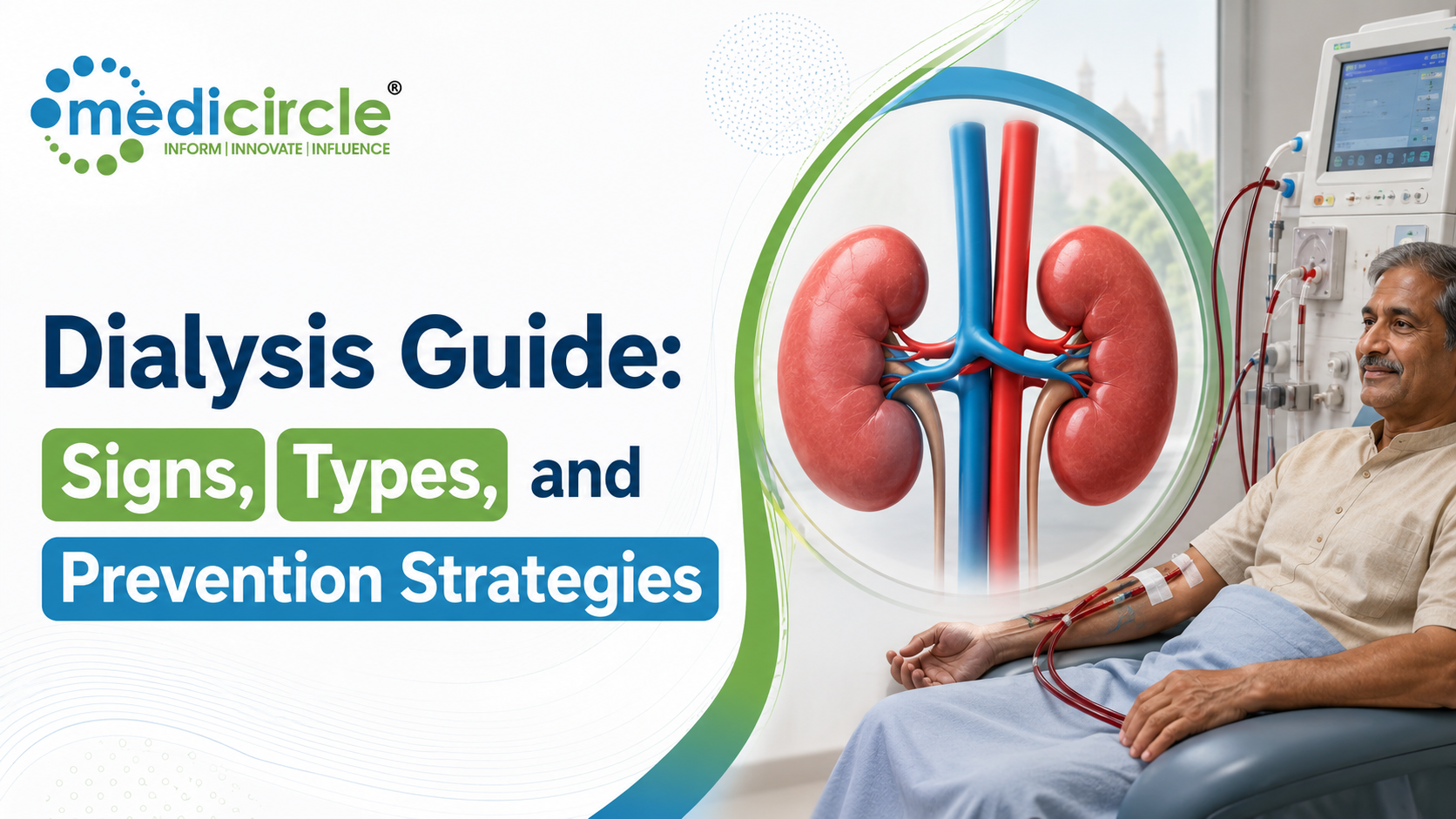
 This comprehensive guide outlines how dialysis replaces failing kidney function, highlights the key signs that make treatment necessary, and details proactive lifestyle changes to protect overall renal health.




Dialysis Guide: Signs, Types, and Prevention Strategies
Tucked away just below the rib cage, your kidneys work tirelessly around the clock to keep your internal environment stable. These two small, bean shaped organs function as the personal recycling and filtration plant of your body, constantly removing waste, flushing out excess water, and balancing vital minerals. However, when long term health issues quietly compromise these natural filters, waste products quickly build up in the bloodstream. When the kidneys can no longer keep up with their daily workload, artificial filtration becomes a crucial medical intervention. Learning about chronic kidney disease treatment, why doctors prescribe it, how it operates, and how early lifestyle interventions can help preserve kidney function empowers you to make informed decisions about your well-being.
Understanding Dialysis Functions
At its core, dialysis is a medical procedure that steps in to do the work of your kidneys when they are no longer up to the task. When a person faces advanced kidney failure, the body loses its capacity to clear out metabolic waste materials like creatinine and urea. This breakdown in filtration triggers a dangerous chain reaction, causing fluids to accumulate and altering critical levels of minerals like sodium and potassium.
By utilizing specialized filtration systems, this therapy clears out these accumulated toxins and stabilizes fluid levels before returning clean blood back into the body. While this technology is incredibly effective at supporting life, it is important to view it as a supportive management strategy rather than a permanent kidney failure treatment.
Two Main Dialysis Types
Medical professionals rely on two primary techniques to replicate natural kidney function. The choice between them depends heavily on the unique medical profile, physical independence, and personal lifestyle of a patient.
Process of HemodialysisAs the most widely utilized method, hemodialysis relies on an external machine to cleanse the blood. A specialist creates a secure access point, typically in the arm of the patient, allowing blood to flow safely toward an artificial kidney known as a dialyzer. Inside this machine, a series of specialized membranes separate toxins and surplus fluids from the bloodstream. Once purified, the blood is gently channeled back into the patient. Most individuals attend a hospital or dedicated kidney dialysis center three times a week for these sessions, with each treatment taking roughly three to four hours.
Process of Peritoneal DialysisThis alternative approach uses the own abdominal lining of the patient, called the peritoneum, as a natural filter. A small, flexible tube is surgically placed into the abdomen. During treatment, a specialized cleansing solution flows through the tube into the abdominal cavity, where it absorbs waste products from nearby blood vessels over several hours. Afterward, the used fluid is drained away and replaced. Because this method can be performed at home or even while sleeping, it provides patients with a much higher degree of daily flexibility.
Milestones Leading to Dialysis
The transition to treatment is a gradual process guided by close clinical monitoring, blood tests, and physical indicators rather than a sudden decision.
Managing Stage 5 DiseaseDoctors track kidney function using the Estimated Glomerular Filtration Rate, a metric that shows how efficiently the organs clean blood each minute. A healthy filtration rate generally hovers above ninety. If chronic damage causes this number to drop below fifteen, the condition progresses to Stage 5 Chronic Kidney Disease, also called End Stage Renal Disease. At this stage, the kidneys are operating at less than ten to fifteen percent of their normal capacity, making active chronic kidney disease treatment or a kidney transplant essential for survival.
Handling Acute Kidney InjuriesSometimes, otherwise healthy kidneys experience a sudden, unexpected failure due to severe dehydration, major physical trauma, heavy infections, or adverse drug reactions. This sudden drop in function is known as Acute Kidney Injury. Unlike chronic, progressive disease, this type of damage is frequently reversible. In these medical emergencies, short term intervention keeps the body balanced and free of toxins, giving the kidney tissues the time they need to heal and resume normal function.
Recognizing Advanced SymptomsDoctors also look past lab values to evaluate the physical symptoms of severe toxin buildup, a state known as uremia. These telling signs include:
- Severe, unmanageable swelling in the feet, ankles, hands, or face.
- Continuous shortness of breath caused by fluid accumulating around the lungs.
- Persistent nausea, changes in taste, and a total loss of appetite.
- Critical shifts in blood chemistry, particularly high potassium levels that can affect heart rhythms.
Delaying and Avoiding Dialysis
A frequent concern for individuals diagnosed with early stage kidney disease is whether they can stop the progression toward full organ failure. The reality depends on how early the decline is caught and how effectively the root causes are managed. While existing structural scarring to kidney tissue cannot be completely undone, targeted medical care and lifestyle adjustments can significantly slow the decline, often delaying the need for intense therapy for many years or preventing it altogether.
|
Area of Intervention |
Practical Focus |
Health Benefit |
|---|---|---|
|
Medical Management |
Blood Pressure & Glucose Tracking |
Shields delicate renal filters from high pressure damage |
|
Dietary Adjustment |
Reducing Sodium & Balancing Protein |
Decreases the metabolic waste the kidneys must process |
|
Lifestyle Choices |
Smart Hydration & Medication Reviews |
Lowers structural stress and toxic strain on renal tissues |
Habits for Kidney Protection
Keeping your kidneys working well requires a proactive strategy that combines careful medical management with mindful daily choices.
Controlling Blood PressureUncontrolled hypertension and diabetes mellitus are the leading causes of kidney failure worldwide. Sustained high blood sugar damages the intricate web of tiny blood vessels that filter waste within the kidneys. At the same time, high blood pressure stiffens and narrows these vital pathways, cutting off the oxygen and nutrients the organs need to survive. Keeping your blood pressure in a safe range and tracking your blood sugar levels through consistent medical care can significantly protect your remaining kidney function.
Designing Kidney Friendly DietsWhat you eat directly impacts how hard your kidneys have to work. To ease their daily burden, focus on cutting back on dietary sodium, which helps control blood pressure and reduces fluid retention.
It is also helpful to regulate your intake of heavy proteins, as the breakdown of these foods produces urea, a waste product that failing kidneys struggle to eliminate. Additionally, minimizing processed foods containing added potassium and phosphorus protects your body from dangerous mineral imbalances.
Hydration and Medication SafetyWhile drinking water is essential for flushing out every day toxins, over hydrating is not always helpful if your kidneys are already compromised, as weakened organs struggle to process excessive amounts of fluid. It is best to maintain a steady, moderate intake tailored to your specific health status. Furthermore, it is wise to avoid the frequent use of over the counter painkillers, particularly Non-Steroidal Anti Inflammatory Drugs like ibuprofen. When taken regularly without the guidance of a doctor, these medications restrict blood flow to the kidneys and can accelerate tissue damage.
Frequently Asked Questions
Is dialysis always a lifelong commitment? For those navigating End Stage Renal Disease, ongoing therapy is a continuous requirement unless they receive a successful kidney transplant. However, if the treatment is used to manage a sudden Acute Kidney Injury, it may only be needed temporarily until the kidneys recover their strength.
Can you maintain an active lifestyle on dialysis? Absolutely. Vertical changes to your schedule require planning, but modern treatments are designed to help patients continue working, traveling, and participating in family life. Following the advice of your medical team and nutritional guidelines plays a major role in protecting your day to day quality of life.
Are there alternative remedies that can reverse kidney damage? There is no scientific evidence showing that herbal or natural remedies can repair deeply scarred kidney tissue. Effective kidney care relies on evidence based medicine, disciplined lifestyle modifications, and regular diagnostic monitoring by a specialist.
Preserving Your Renal Health
Learning about kidney health and treatments like hemodialysis helps replace anxiety with clear, actionable understanding. Dialysis is an invaluable achievement of modern medicine, providing a vital safety net for individuals facing advanced organ failure. However, the ideal approach is always early detection and active preservation of your natural kidney function. By managing chronic metabolic conditions, making thoughtful nutritional adjustments, and scheduling regular health screenings, you can play an active role in keeping your kidneys supported and healthy for years to come.
Abstract:
This comprehensive guide outlines how dialysis replaces failing kidney function, highlights the key signs that make treatment necessary, and details proactive lifestyle changes to protect overall renal health.





-23-300x250.png)

.jpeg)






.jpg)
.jpg)
.jpg)
.jpg)
.jpg)
.jpg)
.jpg)
.jpg)
.jpg)



