Tuesday, October 27, 2026
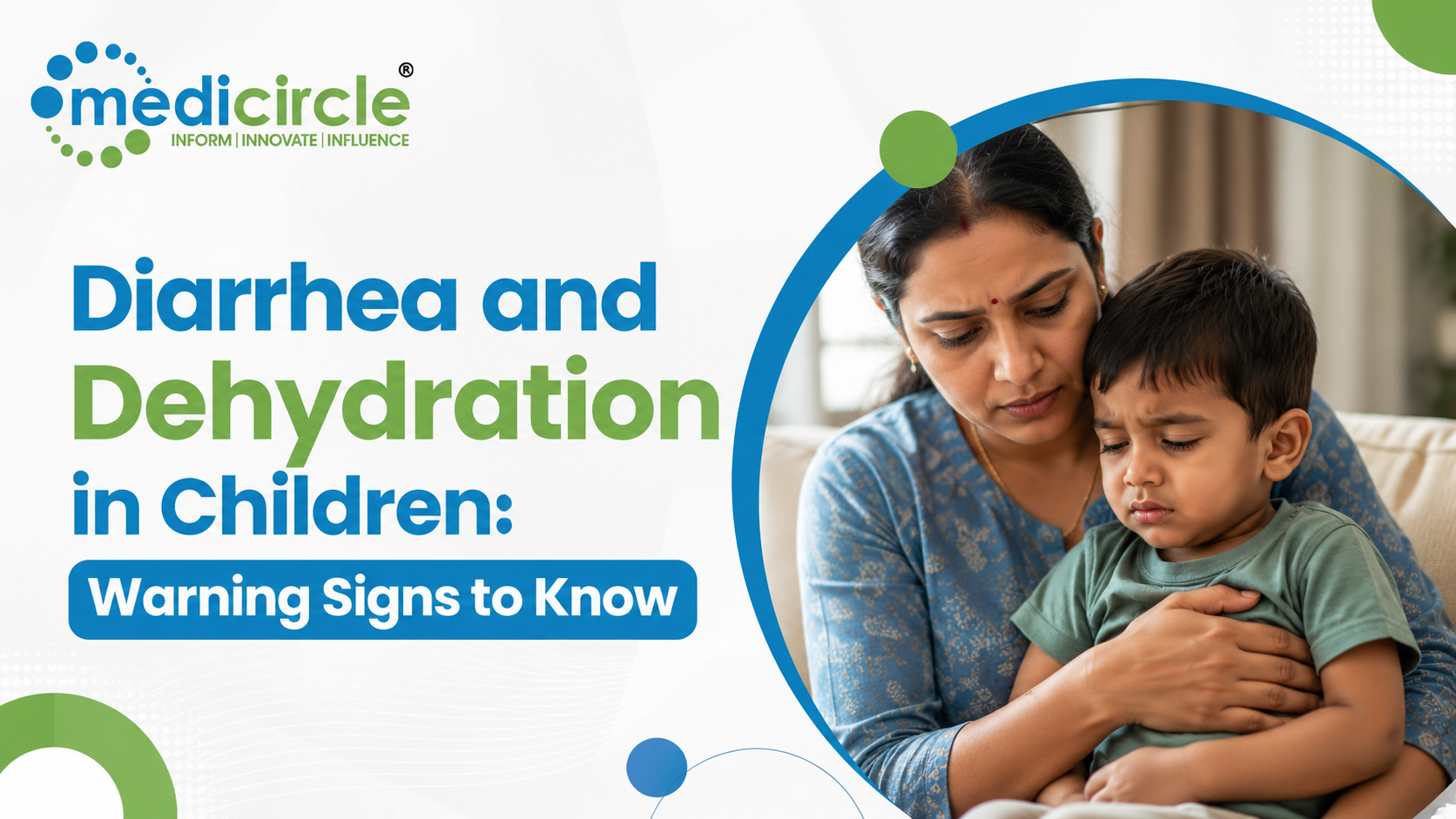
 Diarrhea and dehydration are leading causes of under-five mortality in India. This article explains warning signs, oral rehydration therapy, safe home care, and when to seek emergency pediatric attention.




Diarrhea is one of the most common reasons Indian parents rush their children to a pediatrician, and for good reason. According to the World Health Organization, diarrheal diseases remain among the leading causes of death in children under five years globally, and India continues to carry a disproportionately large share of this burden. Data from the Indian Council of Medical Research indicates that diarrhea accounts for approximately 13 percent of all under-five mortality in India, making it a serious and preventable public health challenge.
For most families, the real danger is not diarrhea itself but the rapid loss of fluids and electrolytes that follows, a condition known as dehydration. A child's body contains proportionally more water than an adult's body, which means fluid loss happens quickly, and its effects can escalate from mild discomfort to a medical emergency within hours. Understanding the warning signs of dehydration early, responding with appropriate home care, and knowing precisely when to seek medical attention can genuinely save a child's life.
This article offers parents, caregivers, and healthcare-aware readers a comprehensive and medically grounded guide to recognizing and managing diarrhea and dehydration in children.
Why Children Are More Vulnerable to Dehydration During Diarrhea
Children, especially infants and toddlers, have physiology that makes them significantly more susceptible to dehydration compared to older children and adults. Their kidneys are less efficient at conserving water, their body surface area relative to their total volume is higher, and they depend entirely on caregivers to recognize their distress and respond. A young infant can lose a dangerous percentage of body weight in fluids within just a few hours of persistent loose stools.
Diarrhea causes dehydration through two primary mechanisms. First, water and electrolytes are lost directly through frequent watery stools. Second, many children with diarrhea also develop nausea, reduced appetite, or vomiting, which limits their ability to replenish fluids orally. When both mechanisms are active simultaneously, the risk of rapid and severe dehydration increases substantially.
Electrolyte imbalances that accompany dehydration, particularly losses of sodium and potassium, affect the proper functioning of the heart, brain, muscles, and kidneys. This is why dehydration in children is never simply a matter of being thirsty.
Common Causes of Diarrhea in Indian Children
Before addressing dehydration management, it helps to understand what typically triggers diarrhea in children in the Indian context.
Rotavirus remains the single most common cause of severe diarrheal illness in Indian children below five years. Although India introduced the rotavirus vaccine into its Universal Immunization Programme in 2016, vaccine coverage across all states is still not uniform. Other viral causes include norovirus and adenovirus.
Bacterial infections from organisms such as Escherichia coli, Salmonella, Shigella, and Vibrio cholerae are common in regions where safe drinking water, proper sanitation, and food hygiene remain challenges. India's National Health Mission has long prioritized improving water and sanitation infrastructure, but the burden of bacterial diarrhea remains high in many Tier 2 and Tier 3 cities, as well as in rural belts.
Parasitic infections, particularly Giardia lamblia and Cryptosporidium, are also significant contributors in areas with contaminated water supplies. Additionally, antibiotic-associated diarrhea has become more frequently seen in urban Indian children due to the widespread and sometimes inappropriate use of antibiotics.
Dietary factors, such as the introduction of new foods, contaminated street food, and improper preparation of formula milk for infants, also contribute meaningfully to the diarrhea burden among Indian children.
Recognizing the Warning Signs of Dehydration in Children
Mild DehydrationIn mild dehydration, fluid loss is approximately three to five percent of body weight. Signs include increased thirst, a slightly dry mouth, and reduced frequency of urination. The child may appear somewhat irritable or restless but remains alert and responsive. The eyes appear normal and tears are present when the child cries.
At this stage, oral rehydration is almost always sufficient and effective when started promptly.
Moderate DehydrationWhen fluid loss reaches six to nine percent of body weight, the signs become more evident and concerning. Parents should watch for:
- Noticeably dry mouth and tongue
- Sunken eyes with fewer or absent tears during crying
- Skin that returns to normal more slowly when gently pinched and released (reduced skin turgor)
- Decreased urine output, with urine appearing darker yellow than usual
- Increased irritability, unusual lethargy, or difficulty waking the child
- In infants, a sunken fontanelle (the soft spot on the top of the head)
- Faster than usual breathing and an elevated heart rate
At moderate dehydration, oral rehydration therapy should be initiated immediately, and medical evaluation should be sought if the child does not begin improving within a few hours.
Severe Dehydration: When It Becomes an EmergencySevere dehydration, involving fluid loss greater than ten percent of body weight, is a medical emergency requiring immediate hospital care. Signs include:
- Extremely sunken eyes and fontanelle in infants
- Complete absence of tears
- Very dry or parched mouth
- Skin that remains tented when pinched and does not return to normal
- No urine output for six to eight hours or longer
- Extreme lethargy, unresponsiveness, or a floppy, limp body
- Cold or mottled skin
- Rapid or very weak pulse
Parents should not attempt to manage severe dehydration at home. The child needs intravenous fluids administered by a trained healthcare professional in a clinical setting. Delay at this stage can be life-threatening.
Oral Rehydration Therapy: The Cornerstone of Home Management
The World Health Organization and UNICEF recommend oral rehydration therapy as the first and most effective treatment for mild to moderate dehydration in children with diarrhea. India's Ministry of Health and Family Welfare actively promotes ORS as part of its Integrated Management of Neonatal and Childhood Illness guidelines.
ORS sachets are widely available at pharmacies across India, including under government schemes that distribute them at no cost through primary health centers and Anganwadi workers. The standard WHO-recommended low-osmolarity ORS formulation contains the correct balance of sodium, potassium, glucose, and water to replace what the child has lost.
Parents should prepare ORS exactly as directed on the sachet packaging, always using clean or boiled and cooled water. The prepared solution should be offered in small, frequent sips rather than large quantities at once, as large volumes may trigger vomiting. For infants, ORS can be offered using a spoon or a small cup. Breastfed infants should continue to breastfeed throughout the illness in addition to receiving ORS.
Homemade sugar-salt solutions, while sometimes used in traditional practice in Indian households, carry the risk of incorrect preparation and should not replace commercially prepared ORS sachets. Similarly, sports drinks, fruit juices, carbonated beverages, and plain water alone are inappropriate substitutes for ORS in children with diarrhea-related dehydration, as they do not contain the correct electrolyte balance.
Zinc supplementation for ten to fourteen days alongside ORS is strongly recommended by the WHO for children with diarrhea, as zinc reduces the severity and duration of the episode and helps prevent subsequent diarrheal episodes within the following two to three months. Zinc tablets or dispersible zinc tablets are available at most Indian pharmacies and through government health programs.
Feeding a Child With Diarrhea: What Indian Parents Need to Know
An older practice of withholding food during diarrhea has been firmly contradicted by current evidence. The recommended approach is to continue feeding the child age-appropriate foods throughout the illness. Adequate nutrition supports intestinal recovery and maintains immunity.
For breastfed infants, breastfeeding should continue without interruption. Breast milk provides hydration, nutrition, and important immune factors that actively help fight the infection. For older infants and children, easily digestible foods such as rice, khichdi, curd, banana, soft-cooked vegetables, and dal are appropriate choices within the Indian dietary context. These foods are gentle on the gut, provide energy, and are culturally familiar and accessible to most Indian families.
Foods that are high in fat, high in sugar, spicy, or heavily processed should be avoided during the illness as they can worsen symptoms. The child's appetite may be reduced, and this is normal. Parents should not force-feed but should offer food frequently in small quantities.
When to Seek Medical Attention Without Delay
Home care with ORS is appropriate for mild and moderate diarrhea in otherwise healthy children, but there are specific situations where medical evaluation is necessary immediately:
The child is younger than six months of age. The child has blood or mucus in the stool. The child has a high fever (above 102 degrees Fahrenheit or 38.9 degrees Celsius). Vomiting is severe or persistent and the child cannot retain ORS. The diarrhea has lasted more than three days without improvement. The child shows signs of moderate or severe dehydration as described above. The child has a known underlying health condition such as malnutrition, diabetes, or a heart condition.
In these situations, parents should not wait to observe further at home. Seeking care at a qualified pediatric facility, whether a government district hospital, a private clinic, or a community health center, is the appropriate course of action.
Prevention of Diarrhea and Dehydration in Children
Prevention remains the most powerful intervention. Key protective measures include exclusive breastfeeding for the first six months of life, which significantly reduces the risk of diarrheal infections. The rotavirus vaccine, available under India's Universal Immunization Programme, provides strong protection against the most common severe diarrheal pathogen. Ensuring safe drinking water, practicing handwashing with soap before meals and after using the toilet, maintaining food hygiene, and proper disposal of child feces are all critical preventive behaviors.
Under the Swachh Bharat Mission, India has made substantial progress in reducing open defecation, which directly reduces the transmission of diarrheal pathogens. Continuing to build on these gains remains essential for reducing the childhood diarrhea burden across India.
The Role of Trusted Healthcare Information in Child Health Outcomes
For parents navigating the challenges of childhood illness, access to accurate and credible health information matters enormously. Misinformation — whether from unverified online sources, well-meaning but uninformed advice, or outdated cultural practices — can delay appropriate care and worsen outcomes. Platforms like Medicircle exist to bridge this gap, providing medically grounded, expert-led content that helps Indian parents make confident and informed decisions about their children's health.
Healthcare professionals, pediatricians, and public health bodies working within the Indian healthcare system share a responsibility to ensure that reliable child health guidance reaches families across all geographies and socioeconomic backgrounds.
CONCLUSION
Diarrhea is a common childhood illness, but its complications, particularly dehydration, are both serious and preventable. Every parent and caregiver in India should be equipped to recognize the early signs of dehydration, initiate oral rehydration therapy promptly, continue appropriate feeding, and seek timely medical care when warning signs indicate a more serious condition. The combination of awareness, access to ORS, zinc supplementation, vaccination, and good hygiene practices has the potential to dramatically reduce the burden of diarrheal disease among Indian children. The information in this article is intended to empower caregivers with knowledge that is practical, evidence-based, and relevant to the Indian healthcare context.
FREQUENTLY ASKED QUESTIONS
How do I know if my child is dehydrated after diarrhea?
The key signs of dehydration to watch for include dry mouth, reduced or absent tears during crying, sunken eyes, fewer wet diapers or reduced urine output, unusual lethargy or irritability, and in infants, a sunken soft spot on top of the head. If the child's skin does not spring back quickly when gently pinched, or if the child is extremely unresponsive, seek emergency medical care immediately.
Can I make ORS at home for my child?
While a basic homemade salt-sugar solution is sometimes suggested in emergency situations when commercial ORS is unavailable, it carries risks of incorrect preparation. The safest and most effective option is to use a commercially prepared WHO-recommended ORS sachet, which is widely available at Indian pharmacies and government health centers at very low or no cost. Always follow the preparation instructions on the packaging.
Should I stop feeding my child solid food during diarrhea?
No. Current medical guidelines recommend continuing to feed children appropriate foods throughout a diarrheal illness rather than withholding food. Breastfed infants should continue to breastfeed. Older children can be given easily digestible foods such as khichdi, curd, banana, and soft-cooked rice. Adequate nutrition supports intestinal recovery and helps the child regain strength faster.





-23-300x250.png)

.jpeg)






.jpg)
.jpg)
.jpg)
.jpg)
.jpg)
.jpg)
.jpg)
.jpg)
.jpg)