 Wednesday, October 28, 2026
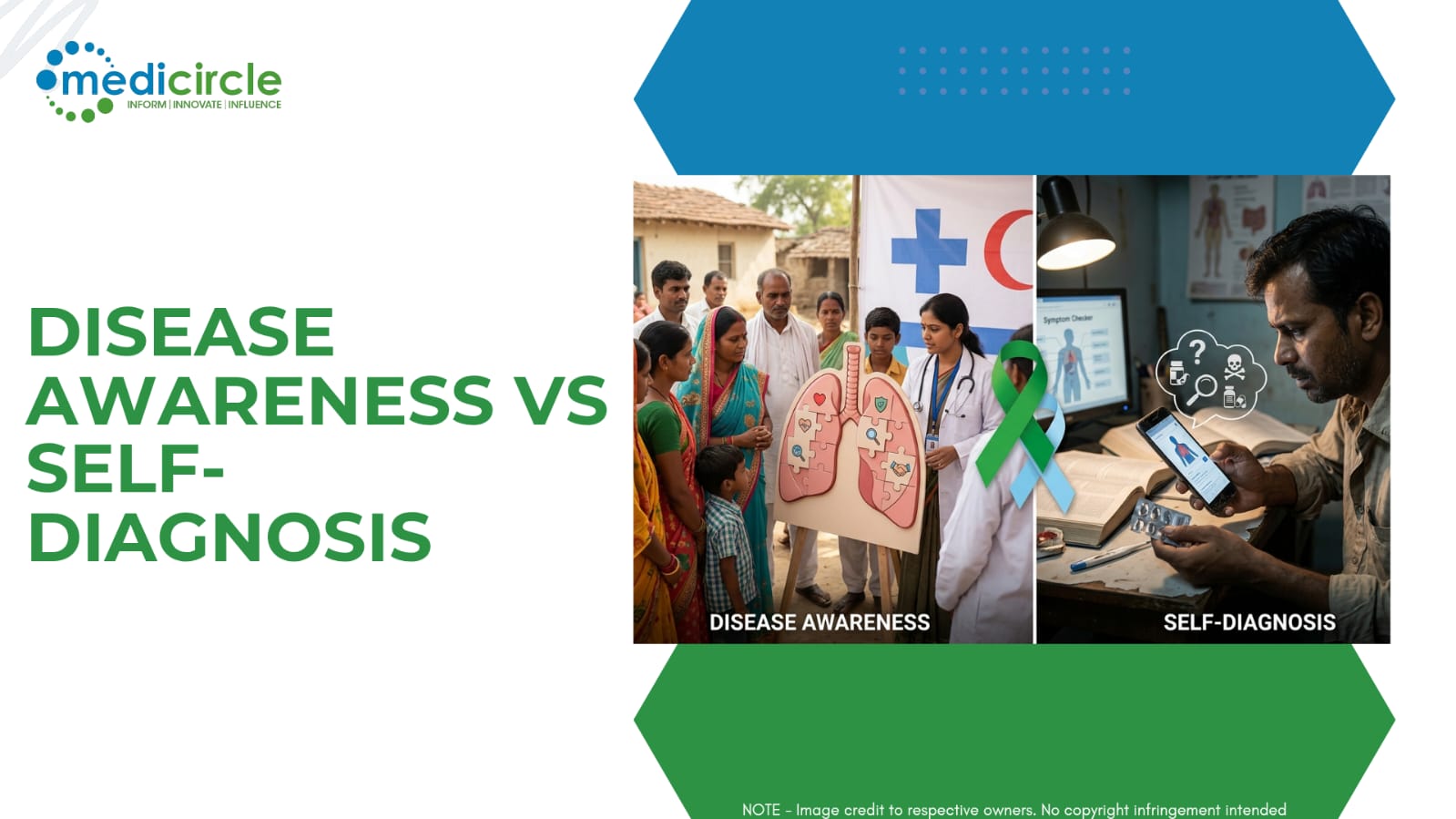
 Disease awareness acts as a bridge to professional help. While technology improves access, only clinical context ensures accurate diagnosis. Use digital tools for connection rather than self-labeling to stay safe.




Disease Awareness vs Self-Diagnosis
The way we manage our health has changed forever. With a smartphone in hand, a confusing symptom like a recurring headache or a patch of dry skin is no longer a mystery. It is a search query. Within seconds, we are flooded with blog posts, patient forums, and diagnostic checklists. While being an informed patient is a great thing, there is a growing trend that carries a hidden risk. This is the shift from being health aware to becoming self-diagnosed. In India, where the internet is often the first person we consult before stepping into a clinic, it is essential to understand where helpful research ends and dangerous self-labeling begins.
Goals of Awareness
Disease awareness is not about finding a name for your problem. It is about recognizing that something has changed. It is the education that tells you a lingering cough in a polluted city might need a check-up. It also teaches you that a sudden change in thirst could be an early warning sign.
True awareness acts as a bridge. It does not provide the final answer. Instead, it gives you the right questions to ask a professional. When we look at successful health movements in India, such as the campaigns for Polio or Tuberculosis, the goal was never to teach people how to treat themselves. It was to teach them how to spot a red flag so they could seek expert help before the situation escalated.
Pitfalls of Self-Labeling
The problem with self-diagnosis is that it often ignores the complexity of the human body. Symptoms are rarely unique to just one condition. Feeling constantly tired could be a sign of many different things. It could indicate a simple iron deficiency, a thyroid imbalance, or even a mental health concern like burnout. When you decide on a diagnosis based on an online list, you fall into specific traps.
The Cyberchondria Effect
This is the spiral of anxiety that happens when you search for a minor symptom. You may become convinced it is a terminal illness. This stress alone can cause physical symptoms. It creates a vicious cycle.
Dangerous Self-Medication
In India, easy access to over-the-counter drugs makes it tempting to treat a self-diagnosed infection with un-prescribed antibiotics. This does not treat the root cause. It also contributes to the national crisis of antibiotic resistance.
Risk of Delay
By focusing on the wrong label, you might ignore the real underlying issue. This can continue until it becomes a genuine emergency.
The Medical Perspective
A search engine can give you facts. However, it cannot give you clinical context. When a doctor looks at you, they are not just hearing your symptoms. They are considering your age and your family history. They also evaluate your lifestyle and physical cues. These include the color of your eyes or the sound of your lungs. A screen cannot detect these signs.
Medicine in India requires a personalized touch. We have high genetic predispositions for heart disease and diabetes. A professional knows how to interpret your symptoms through that specific lens. A stomach ache to a search engine is just a keyword. To a doctor, it is a starting point for a physical exam. This could reveal anything from a digestive issue to a gallbladder concern.
Using Technology Rightly
Technology should be used to improve your access to care. It should not replace the person providing it. Instead of using your phone to find a diagnosis, use it to connect with experts. Use telemedicine apps to talk to a specialist from the comfort of your home. You should also use it to verify information. Read articles that are written or reviewed by verified medical experts. You can also use digital tools to book services. Schedule diagnostic tests and screenings that provide objective data for your doctor to analyze. Digital tools are fantastic for bringing the clinic to you. However, they should never be a substitute for the years of training a physician undergoes.
Proactive Patient Steps
If you want to take charge of your health without falling into the self-diagnosis trap, try these practical steps.
Maintain Symptom Journals
Instead of searching for what a pain is, write down when it happens. Note how long it lasts and what makes it feel better or worse. This is pure gold for a doctor during a consultation.
Trust Reputable Sources
Avoid anecdotal forums where people share what worked for them. Focus on reputable health platforms that prioritize factual and neutral information.
Prioritize Routine Screenings
The best form of awareness happens when you are not sick. Regular check-ups for blood pressure and sugar levels can catch issues early. They find problems long before they ever become a symptom you feel the need to search for online.
Frequently Asked Questions
Is it wrong to search for my symptoms online?
It is not wrong at all. It is great to be informed. Use that information to help you explain your concerns more clearly to your doctor. You must keep an open mind about what the actual cause might be.
How do I know if a medical website is reliable?
Look for articles reviewed or authored by a medical professional. Reliable sites provide balanced views and cite their sources. They do not try to sell you miracle products or quick fixes.
What if I am really worried about what I found online?
The best way to ease that anxiety is to get a professional opinion. Tell your doctor exactly what you read and why it worried you. They can help separate fact from fiction based on your actual health status.
Why should I not just try a common medicine I read about?
Medicines are not one size fits all. What worked for someone else could interact poorly with your biology. It could also hide a symptom that your doctor needs to see to help you get better.





-23-300x250.png)

.jpeg)






.jpg)
.jpg)
.jpg)
.jpg)
.jpg)
.jpg)
.jpg)
.jpg)
.jpg)

