 Thursday, October 08, 2026
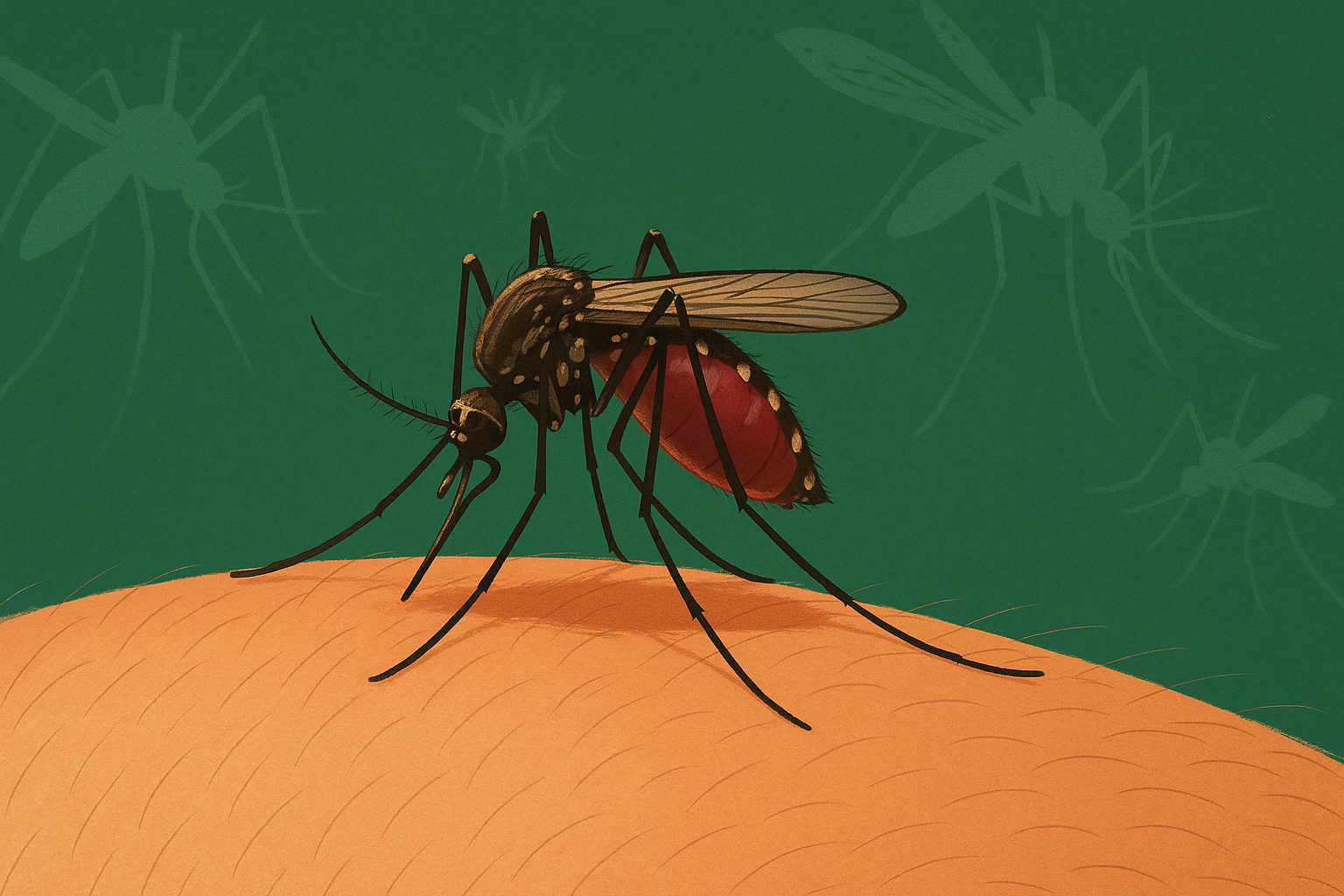
 According to a study published in Nature Communications in 2022, mosquitoes are expert hunters, using both their sense of smell and vision to track down their next meal.




👉 Order now at BestCheapPills and discover exclusive discounts for registeredcustomers!
Mosquitoes are known to transmit diseases like dengue, malaria, and Zika virus, but what remains a mystery to many is why some people are more prone to mosquito bites than others. Amidst monsoon chaos and waterlogging, the perfect ground for breeding of mosquitoes, concerns are again emerging among people about upcoming malaria and dengue season.
According to a study published in Nature Communications in 2022, mosquitoes are expert hunters, using both their sense of smell and vision to track down their next meal. The study noted that mosquitoes are particularly attracted to specific colors, such as orange and red, which correspond to the wavelengths found in human skin. This attraction is enhanced by the carbon dioxide we exhale, which also plays a key role in drawing mosquitoes towards humans,
According to Experts, when mosquitoes search for a meal, it’s not just random. Female mosquitoes are the ones that bite humans. They rely on their sense of smell to find their next target, detecting carbon dioxide and specific body odors from as far as 30 feet away. People who emit more carbon dioxide, such as those who are pregnant, exercising, or even drinking alcohol, are more likely to attract them.
Dr. Sunil Rana, Associate Director and Head- Internal Medicine (Unit III), from Asian Hospital explains, “Mosquitoes are also known to be attracted to heat and wearing dark colors that can trap heat. However, it is still more important to focus on wearing long sleeves and pants, when possible, especially in mosquito-prone areas.”
Dr Vineet Rao, Consultant - Internal Medicine, Jupiter Hospital, Pune, says, “Sweating also increases your body temperature and produces more lactic acid, both of which are attractive for mosquitoes. This is why after a heavy workout; you may notice more mosquitoes around. One should try to exercise in the morning when temperatures are cooler, and mosquitoes are less active.”
Dr. Vineet further explains, “When you sweat, your body temperature rises, and more lactic acid is released. Mosquitoes find these scents very attractive. So, after a vigorous workout, you may see more mosquitoes around and it is not only the sweat, but also the scent that attracts them. Thus, it is best to take a bath and stay cool after a workout or exercise and also avoid outdoor activity or exercise during peak heat hours.”
Dr. Sunil, explains further, that what we eat, or drink may also influence mosquito attraction. He said that spicy foods and alcohol are often cited as making people more attractive to mosquitoes. “When it comes to alcohol, the increase in body temperature and the odour from your breath after drinking can draw mosquitoes in. However, diet alone will not make you attract mosquitoes. It is the overall metabolism and scent that matters a lot.”
Dr. Sunita Kapoor, Director & Laboratory Head at City X-ray Scan & Clinic, says “Fragrances like perfumes and scented lotions may also play a role in attracting mosquitoes. Strong floral or fruity scents can mimic the natural chemicals that mosquitoes are drawn to. However, some lotions have ingredients that act as mosquito repellents, so the type of scent matters.”
Dr. Sunita further said, “Several studies have indicated that, genetic factors can make someone more likely to be bitten.” He explains: “Some people naturally emit certain body odours that attract mosquitoes. These odors are influenced by your genes, especially genes related to your immune system.” In such cases, he suggests wearing proper clothing, insect repellents, and lifestyle changes.
Experts says, one of the most important factors mosquitoes rely on to find their victims is carbon dioxide. It is thus important to manage not just what you wear but also how much carbon dioxide you emit.
Doctors say it is the mix of genetics, lifestyle, and environmental factors that attract mosquitoes towards certain people. However, understanding these can help you take preventive measures.






.jpeg)








.jpg)
.jpg)
.jpg)
.jpg)
.jpg)
.jpg)


.jpg)
.jpg)
.jpg)