Tuesday, October 27, 2026
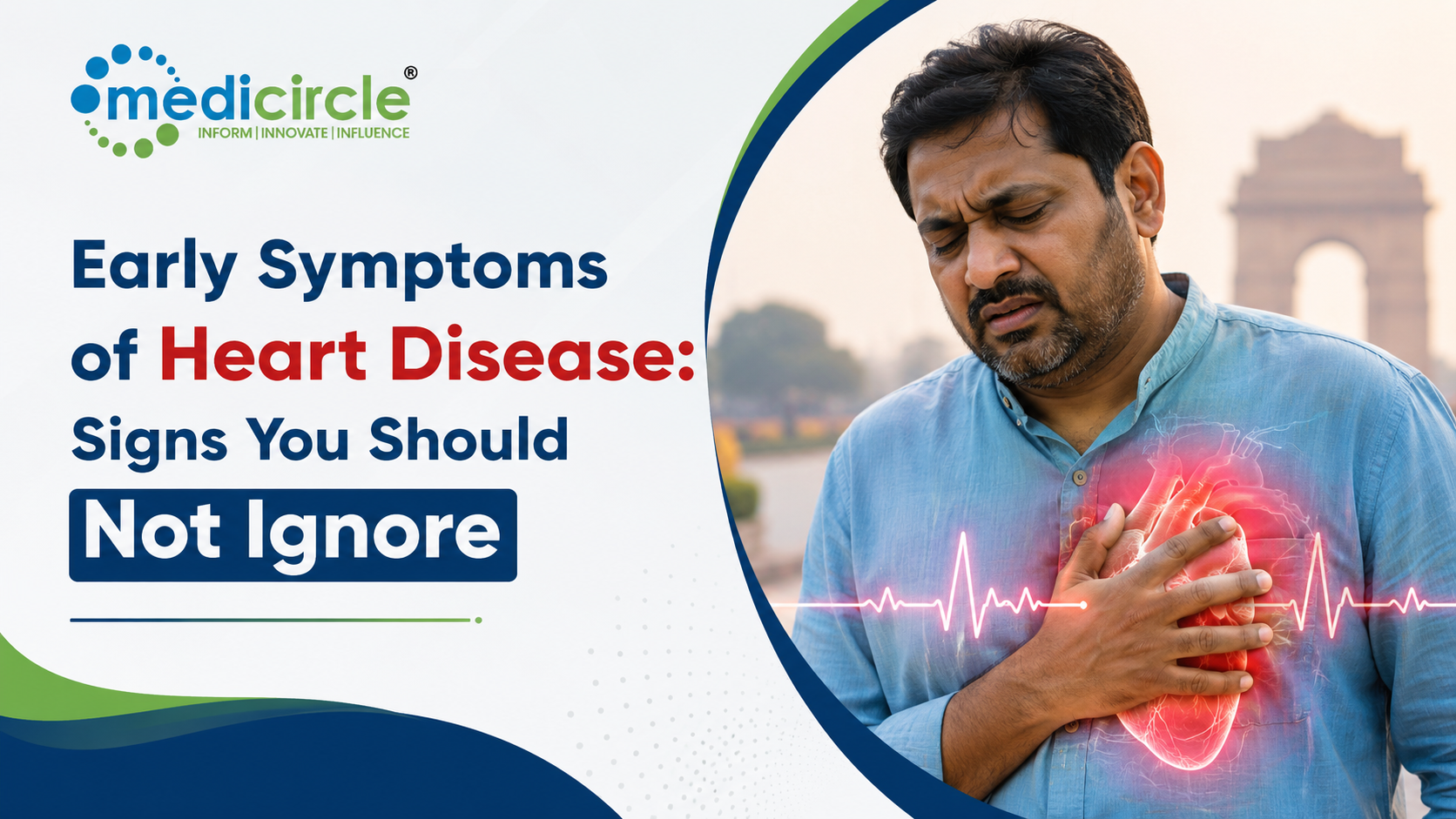
 Heart disease often begins quietly, with early symptoms like fatigue, breathlessness, and chest discomfort. This guide explains warning signs, risk factors, diagnosis, treatment, and prevention strategies relevant to Indian adults.




Introduction
Heart disease rarely begins with a dramatic moment. For most people, it starts quietly, sometimes years before a major event such as a heart attack or stroke occurs. A little extra breathlessness while climbing stairs, an unfamiliar heaviness in the chest after a meal, or fatigue that does not go away with rest are often dismissed as signs of stress, poor sleep, or simply growing older. Yet these can be among the earliest symptoms of heart disease, and recognising them in time can make the difference between timely treatment and a medical emergency.
This concern is especially relevant in India. Cardiovascular disease is now the leading cause of death in the country, and research shows that a quarter of all mortality in India is attributable to cardiovascular disease, with ischemic heart disease and stroke responsible for more than eighty percent of these deaths. What makes the Indian situation distinct is not just the scale of the problem but its timing. Indians frequently develop heart disease at a significantly younger age compared to people in Western countries, often in their thirties and forties. This makes early symptom awareness not just useful, but essential.
This article walks through the foundational facts about heart disease, the early symptoms that deserve attention, the risk factors that matter most for Indian adults, how doctors diagnose and treat the condition, and the everyday steps that genuinely help in prevention. The goal is simple: to help readers recognise the signals their body may already be sending, well before those signals become impossible to ignore.
Understanding Heart Disease: The Basics
Heart disease is not a single condition. It is an umbrella term covering several disorders that affect different parts of the heart, including its blood vessels, muscle, valves, and electrical system. The most common form, coronary artery disease, develops when fatty deposits called plaque build up inside the arteries that supply blood to the heart muscle. Over time, this buildup, known as atherosclerosis, narrows the arteries and restricts blood flow, eventually leading to chest pain, heart attack, or heart failure if left unaddressed.
Other forms of heart disease include arrhythmias, which are irregular heart rhythms; cardiomyopathy, a disease of the heart muscle itself; valvular heart disease, where the heart's valves do not open or close properly; and congenital heart defects present from birth. Each type can produce different symptoms, but many of them share early warning signs that are easy to overlook, particularly fatigue, breathlessness, and mild chest discomfort.
Understanding this variety matters because it explains why heart disease symptoms are not always the same from person to person. A patient with coronary artery disease may experience classic chest tightness, while someone developing early heart failure may notice swelling in the ankles and persistent tiredness long before any chest pain appears.
Why Indians Are at Higher Risk, and at a Younger Age
India's relationship with heart disease has a particular urgency that global health data continues to confirm. The age-standardised cardiovascular disease death rate in India stands at 272 per 100,000 population, higher than the global average of 235 per 100,000. Equally concerning is the pace at which this epidemic has developed, with India's shift from infectious diseases to non-communicable diseases occurring over a remarkably short period, and the disease setting in earlier in life compared to other populations.
A meta-analysis of Indian adult populations found that the pooled prevalence of cardiovascular disease in India stands at around eleven percent, with rates somewhat higher among women than men, and noticeably higher in urban areas compared to rural ones. This urban concentration reflects lifestyle patterns common in Tier 1 and Tier 2 Indian cities, including sedentary desk jobs, high consumption of processed and fried foods, chronic stress, irregular sleep, and reduced physical activity.
Several risk factors compound this picture. Hypertension affects close to thirty percent of adult Indians, with the number of people living with high blood pressure projected to nearly double between 2000 and 2025. Diabetes prevalence in urban India has nearly doubled over the past two decades, and the country is expected to have well over a hundred million people living with diabetes by 2030. Since diabetes and hypertension are both major contributors to coronary artery disease, this convergence of risk factors explains why Indian cardiologists are increasingly seeing heart attacks in patients in their thirties and forties.
Genetic predisposition also plays a role. Indians, as a population, tend to have a higher tendency toward abdominal obesity and unfavourable cholesterol patterns even at a lower overall body weight compared to Western populations. This is sometimes referred to as the "Asian Indian phenotype" in cardiology literature, and it partly explains why standard international risk calculators sometimes underestimate cardiovascular risk in Indian patients.
Recognising the Early Symptoms of Heart Disease
Early heart disease symptoms are often subtle, inconsistent, and easy to attribute to something else entirely. This is precisely what makes awareness so important.
- Unusual or persistent fatigue. A general sense of tiredness that does not improve with rest can be one of the earliest indicators that the heart is not pumping efficiently enough to meet the body's oxygen demands. This symptom is particularly common and often underrecognised in women.
- Breathlessness during routine activity. Feeling short of breath while walking at a normal pace, climbing a flight of stairs, or doing light household work, especially if this represents a change from before, deserves attention. Some people also notice breathlessness while lying flat or wake up gasping during the night.
- Chest discomfort that is not always classic pain. While many people expect heart-related chest pain to feel sharp and severe, it more often presents as pressure, tightness, heaviness, or a burning sensation. This discomfort may come and go, particularly during exertion or emotional stress, and ease with rest.
- Pain that spreads beyond the chest. Discomfort radiating to the jaw, neck, shoulders, upper back, or arms, particularly the left arm, can be a heart-related symptom rather than a muscular one, especially when it appears alongside exertion.
- Palpitations or an irregular heartbeat. A racing, fluttering, or skipping sensation in the chest is sometimes harmless, linked to caffeine or stress, but frequent or prolonged episodes may point to an underlying rhythm disturbance that needs evaluation.
- Swelling in the feet, ankles, or legs. When the heart's pumping efficiency drops, fluid can accumulate in the lower limbs. This is often more noticeable in the evening or after long periods of sitting.
- Indigestion-like discomfort. Because the heart, stomach, and oesophagus are positioned close together, heart-related discomfort can feel remarkably similar to acidity or gas, particularly in the upper abdomen. When this discomfort appears alongside sweating, breathlessness, or fatigue, it should not be dismissed as a digestive issue.
- Dizziness or fainting spells. These can occur when the brain temporarily receives insufficient blood flow, often linked to abnormal heart rhythms or sudden drops in blood pressure.
A few additional points are worth keeping in mind:
- Symptoms can vary significantly between men and women, with women more likely to experience fatigue, nausea, or back pain rather than classic chest pain.
- Symptoms that appear only during physical exertion and disappear with rest are particularly important to flag to a doctor, as this pattern is characteristic of angina.
- A combination of two or more of these symptoms occurring together, even mildly, is more concerning than any single symptom in isolation.
None of these symptoms confirm heart disease on their own. However, a pattern that persists, worsens, or appears alongside known risk factors such as diabetes, high blood pressure, or a family history of heart disease should prompt a proper medical evaluation rather than self-diagnosis or delay.
Diagnosis and Medical Evaluation
When a person reports possible heart disease symptoms, doctors typically begin with a detailed clinical history and physical examination, paying close attention to risk factors, family history, and the exact nature of the symptoms. From there, several diagnostic tools help build a clearer picture:
- Electrocardiogram (ECG or EKG): A quick, painless test that records the heart's electrical activity and can reveal rhythm abnormalities or signs of reduced blood flow.
- Echocardiogram: An ultrasound-based test that shows how well the heart muscle and valves are functioning.
- Blood tests: Including cholesterol profiles, blood sugar levels, and specific cardiac biomarkers that rise when the heart is under stress.
- Stress testing: Evaluates how the heart performs under physical exertion, often used when symptoms appear primarily during activity.
- Cardiac CT or MRI: Provides detailed imaging of the heart's structure and blood vessels when more clarity is needed.
- Cardiac catheterisation or angiography: An invasive but highly informative procedure used when significant blockage is suspected.
In India, access to these diagnostic services has expanded considerably in recent years, particularly through government initiatives such as the Ayushman Bharat Digital Mission, which is gradually improving health record continuity, and the broader push under Ayushman Bharat to extend affordable diagnostic and treatment access to a wider population. Several state governments have also expanded free or subsidised cardiac screening camps, particularly in Tier 2 and Tier 3 cities, though availability still varies widely by region.
Treatment Options and Management Strategies
Treatment for heart disease depends entirely on its type, severity, and the specific symptoms involved, but most approaches fall into a few broad categories.
- Lifestyle modification forms the foundation of nearly every treatment plan, regardless of how advanced the condition is. This typically includes dietary changes, increased physical activity, smoking cessation, and stress reduction.
- Medications are often used to manage underlying risk factors and reduce strain on the heart. These may include drugs to control blood pressure, lower cholesterol, manage blood sugar, thin the blood to prevent clots, or regulate heart rhythm. It is important that any medication be taken strictly as prescribed by a qualified doctor, since several common over-the-counter drugs, including certain painkillers, can interact poorly with heart medications.
- Procedures and surgery become necessary when blockages or structural problems are significant. Common interventions include angioplasty with stent placement, bypass surgery, valve repair or replacement, and device implantation, such as pacemakers for rhythm disorders.
- Cardiac rehabilitation is an often underused but valuable part of recovery, particularly after a heart attack or major procedure. These supervised programmes combine monitored exercise with nutritional counselling and emotional support, helping patients rebuild strength and confidence safely.
Across India, cardiac care infrastructure has grown substantially, with NABH-accredited hospitals in most major cities now offering advanced interventional cardiology services. However, affordability and access remain uneven, and patients in smaller towns often still need to travel to larger cities for specialised procedures. This is one of the areas where platforms like Medicircle aim to play a meaningful role, by helping connect patients with credible information and giving cardiologists and hospitals a trusted space to share guidance that can inform earlier, better-informed decisions.
Prevention and Proactive Heart Health Measures
A large proportion of heart disease, particularly coronary artery disease, is preventable or can be significantly delayed through consistent lifestyle choices. While genetics and age cannot be changed, several modifiable factors make a real difference.
- Eat a heart-conscious diet. Reducing salt, saturated fat, and refined sugar while increasing whole grains, vegetables, fruits, and healthy fats can meaningfully lower cardiovascular risk. For Indian households, this often means moderating the use of ghee, refined oils, and deep-fried snacks, while being mindful of hidden salt in pickles, papads, and packaged foods.
- Stay physically active. Aiming for at least thirty minutes of moderate activity most days of the week, such as brisk walking, cycling, or yoga, supports heart health meaningfully over time.
- Manage underlying conditions. Keeping diabetes, high blood pressure, and high cholesterol under control through regular monitoring and adherence to treatment is one of the most effective prevention strategies available.
- Avoid tobacco entirely. Smoking and chewing tobacco are both significant, well-established contributors to heart disease risk.
- Prioritise sleep and stress management. Chronic stress and poor sleep quality, both increasingly common in fast-paced urban Indian lifestyles, are linked to higher cardiovascular risk.
- Schedule regular health check-ups. Many risk factors, including high blood pressure and high cholesterol, have no noticeable symptoms in their early stages and can only be identified through routine screening.
Public health awareness around these measures continues to grow in India, supported by national programmes under the National Health Policy framework and ongoing efforts by the Ministry of Health and Family Welfare to address the rising burden of non-communicable diseases. Still, individual responsibility remains central, since most prevention happens through daily choices rather than occasional hospital visits.
Conclusion
Heart disease tends to develop gradually, and its earliest symptoms are often easy to dismiss as fatigue, indigestion, or simply the wear of daily life. For Indian adults, who face a higher cardiovascular burden and an earlier age of onset compared to many other populations, this awareness carries particular weight. Recognising symptoms such as persistent tiredness, breathlessness during routine activity, chest discomfort, palpitations, or swelling in the legs, and seeking timely medical evaluation rather than waiting for symptoms to worsen, can meaningfully change outcomes. Heart disease is largely manageable and, in many cases, preventable, but only when it is identified and addressed early. A simple conversation with a doctor today can often prevent a far more serious one later.
Frequently Asked Questions
Q1: What are the earliest warning signs of heart disease?
The earliest warning signs often include unusual fatigue, breathlessness during routine activity, chest discomfort or tightness, palpitations, and swelling in the feet or ankles. These signs tend to appear gradually and are frequently mistaken for stress, ageing, or indigestion, which is why they are so often missed in the early stages.
Q2: Can heart disease occur without any chest pain?
Yes. Many people, particularly women and individuals with diabetes, experience heart disease without classic chest pain. Symptoms such as nausea, jaw pain, unexplained fatigue, or breathlessness may appear instead, which can make these cases harder to recognise without proper medical evaluation.
Q3: Why are Indians developing heart disease at a younger age?
Indians tend to develop heart disease nearly a decade earlier than people in Western countries due to a combination of genetic predisposition, higher rates of central obesity, early-onset diabetes, high blood pressure, tobacco use, and lifestyle shifts linked to urbanisation and dietary changes.
Q4: When should someone with mild symptoms see a cardiologist?
A cardiologist consultation is advisable when symptoms such as breathlessness, fatigue, or palpitations persist, worsen, or interfere with daily activities, even if they initially seem mild. Anyone with a family history of heart disease or existing risk factors such as diabetes or hypertension should not wait for symptoms to become severe before seeking evaluation.
Q5: Can early heart disease be reversed with lifestyle changes alone?
In its earliest stages, certain risk factors and mild arterial changes can often be slowed or partially improved through sustained lifestyle changes such as a balanced diet, regular physical activity, smoking cessation, and stress management. However, lifestyle changes work best alongside medical guidance and should not replace prescribed treatment once a diagnosis has been made.





-23-300x250.png)

.jpeg)






.jpg)
.jpg)
.jpg)
.jpg)
.jpg)
.jpg)
.jpg)
.jpg)
.jpg)