Tuesday, October 27, 2026
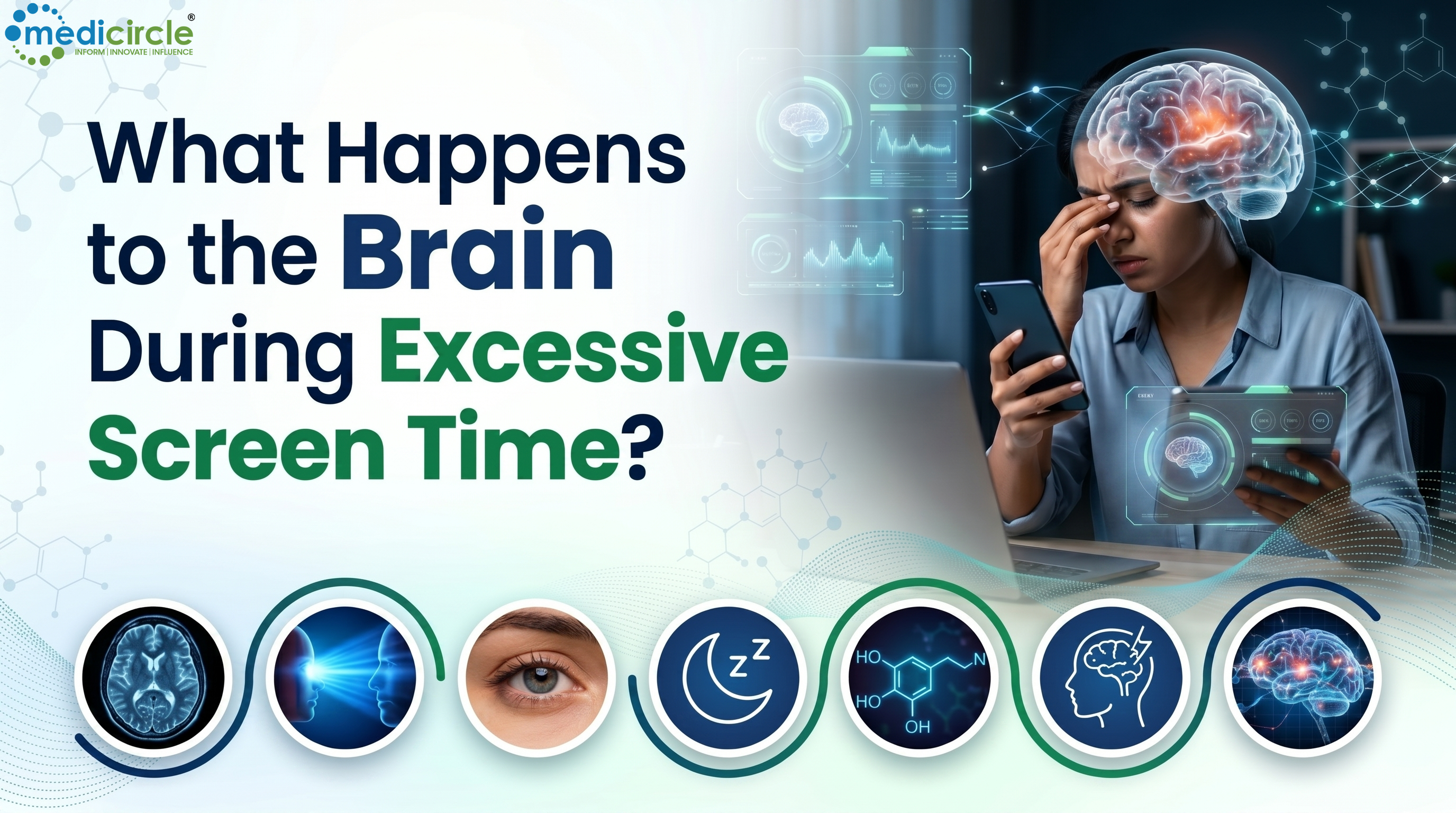
 Excessive screen time affects brain function, sleep quality, attention span, emotional health, and cognitive performance. Constant digital stimulation increases stress, disrupts melatonin production, and weakens focus. Building healthier digital habits and reducing passive screen exposure can significantly improve mental and physical wellbeing.




What Happens to the Brain During Excessive Screen Time?
The brain is neuroplastic, meaning it physically adapts to repeated behaviors. When we spend hours on digital devices, we aren't just consuming information; we are conditioning our neural pathways.
Dopamine and the "Slot Machine" Effect
Social media feeds and gaming are designed to trigger the brain’s reward system. Each notification or "like" triggers a pulse of dopamine, a neurotransmitter associated with pleasure and anticipation.
- The Loop: This creates a feedback loop where the brain craves the next hit of instant gratification.
- Tolerance: Over time, the brain becomes desensitized to high dopamine levels, making real-world activities (like reading a book or having a slow conversation) feel boring or under-stimulating.
"Digital multitasking"—switching between tabs, apps, and messages—trains the brain to shift focus rapidly rather than maintain it.
- Reduced "Deep Work" Capacity: Chronic interruption reduces the brain's ability to enter a "flow state."
- The Prefrontal Cortex: Excessive stimulation can overtax the prefrontal cortex, which is responsible for executive function and decision-making, leading to "brain fog."
Sleep disruption is perhaps the most immediate physical consequence of excessive screen use, primarily due to the interference with our biological clock.
Blue Light and MelatoninDigital screens emit short-wavelength blue light (460–480 nm). This specific wavelength is detected by the eyes and signals the brain's Suprachiasmatic Nucleus (SCN)—the body's master clock—to stop producing melatonin.
- Melatonin Suppression: Just 15 minutes of late-night screen use can delay the release of melatonin by several hours.
- Circadian Mismatch: This shifts your body's rhythm, making you feel alert at midnight but exhausted at 7:00 AM.
Screen Time Effects on Children and Adolescents
The impact on developing brains is fundamentally different from that on adults because a child's brain is still building its structural foundation.
Early Childhood (Ages 0-5)For young children, brain development relies on "Serve and Return" interactions—back-and-forth social engagement with caregivers.
- Structural Differences: Recent imaging studies show that excessive screen time in preschoolers is linked to lower structural integrity in "white matter" tracts, which are crucial for language and literacy skills.
- Empathy and Social Cues: Passive viewing can delay the ability to read facial expressions and understand nonverbal communication.
Teenagers are in a critical stage of identity formation.
- Upward Social Comparison: Constant exposure to "highlight reels" on social media fuels a psychological phenomenon called upward comparison, leading to increased cortisol (the stress hormone) and feelings of inadequacy.
- Hyper-Connectivity Stress: The pressure to be "always on" keeps the teenage nervous system in a state of hyper-arousal, contributing to higher rates of anxiety.
Beyond the neurological impact, excessive use manifests in the physical body:
- Screen Fatigue: Prolonged focus on a near-field object leads to reduced blinking, causing dry eyes and "computer vision syndrome."
- The Sedentary Trap: High screen use is strongly correlated with a lack of physical movement, which indirectly affects cognitive performance by reducing blood flow to the brain.
How to Build Healthier Digital Habits
Building a healthier relationship with technology isn't about total abstinence; it's about digital wellbeing.
- Protect the "Sleep Window"
Stop using all screens at least 60 minutes before bed. Replace the phone with a physical book or a meditation routine to allow your melatonin levels to rise naturally.
- The 20-20-20 Rule
To combat physical screen fatigue, every 20 minutes, look at something 20 feet away for at least 20 seconds. This allows the eyes to reset and the brain to take a micro-break.
- Practice "Single-Tasking"
Dedicate specific blocks of time to one task without notifications. This helps retrain the brain to sustain focus and reduces the mental exhaustion caused by "context switching."
- Create Physical Friction
Keep your phone in another room while working or sleeping. Increasing the physical effort required to check a device breaks the "automatic" scrolling habit.
Key Takeaways
- Instant Gratification: Screens hijack dopamine pathways, reducing our patience for slow-paced tasks.
- Sleep Disruption: Blue light is a biological signal for "daytime," which blocks the sleep hormone melatonin.
- Developing Brains: Children need real-world interaction, not passive screens, to build strong neural pathways for language and empathy.
- Mental Health: Upward comparison on social media is a primary driver of digital-age anxiety.
Frequently Asked Questions (FAQ)
- What is high-functioning anxiety? High-functioning anxiety refers to a state where an individual experiences chronic internal anxiety—such as racing thoughts, perfectionism, and fear of failure—while maintaining an outward appearance of success, productivity, and composure.
- Is high-functioning anxiety a formal medical diagnosis? No, it is not currently listed in the DSM-5. However, mental health professionals recognize it as a common clinical pattern, often overlapping with Generalized Anxiety Disorder (GAD) or Social Anxiety Disorder.
- How does screen time affect cognitive function? Excessive screen time, particularly "passive scrolling," can fragment your attention span. 2026 research indicates that high digital consumption is linked to a reduction in fluid intelligence (Gf), which is the ability to solve new problems and process complex information.
- Why does looking at my phone before bed make it hard to sleep? Digital screens emit blue light, which tricks the brain into thinking it is daytime. This suppresses the production of melatonin, the hormone responsible for your sleep-wake cycle, leading to difficulty falling asleep and poor sleep quality.
- Can high-functioning anxiety lead to physical health issues? Yes. Chronic anxiety keeps the body in a state of "high alert," which can manifest as muscle tension, chronic fatigue, digestive issues, and a weakened immune system over time.
- What are the "hidden" symptoms of digital overload? Beyond eye strain, digital overload can cause "brain fog," increased irritability, a reduced tolerance for silence or boredom, and a constant, compulsive urge to check notifications even when there is no alert.
- How does perfectionism relate to anxiety? For many, perfectionism is a defense mechanism. Anxiety convinces the individual that making a mistake will result in rejection or catastrophe, so they use over-achievement and "flawlessness" as a way to feel safe and in control.
- Is there a "safe" amount of screen time? There is no universal number, but digital wellbeing experts suggest focusing on quality over quantity. Using screens for active learning or creation is less taxing on the brain than passive, high-speed consumption like short-form video feeds.
- What are the best ways to manage high-functioning anxiety? Cognitive Behavioral Therapy (CBT) is highly effective for challenging anxious thought patterns. Additionally, setting strict "digital boundaries"—such as no-phone zones during meals and an hour before bed—can help regulate the nervous system.
- When should I seek professional help? You don't need to be "failing" to seek help. If your internal state involves constant mental exhaustion, a lack of joy in your achievements, or persistent sleep disruption, speaking with a therapist can provide tools to move from survival mode to genuine wellbeing.





-23-300x250.png)

.jpeg)






.jpg)
.jpg)
.jpg)
.jpg)
.jpg)
.jpg)
.jpg)
.jpg)
.jpg)