 Tuesday, October 27, 2026
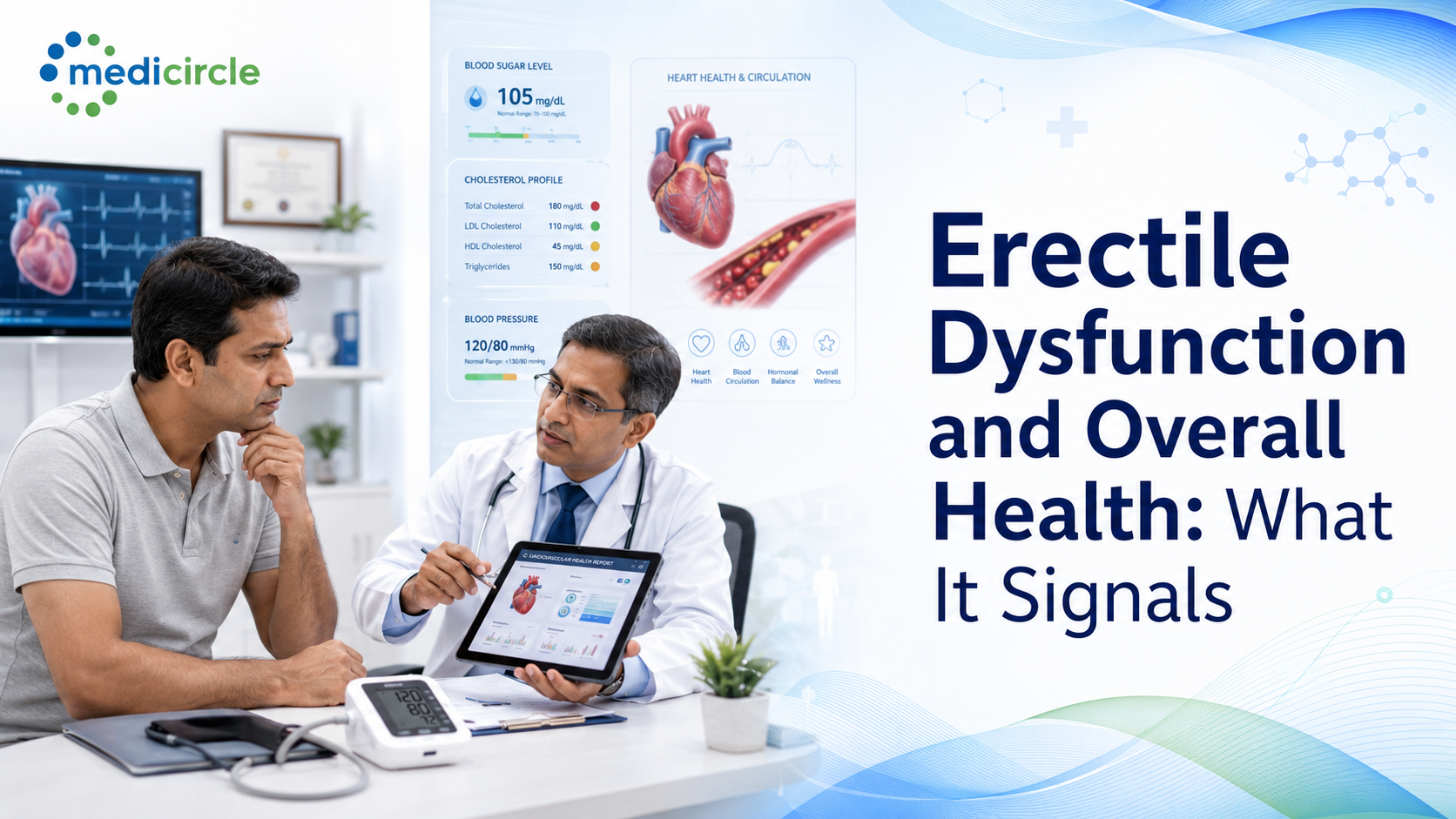
 Erectile dysfunction often signals deeper health issues like heart disease and diabetes. This article explains its causes, diagnosis, and treatment, urging Indian men toward timely medical evaluation.





Introduction
Erectile dysfunction is one of the most common health concerns among adult men, yet it remains one of the least discussed in Indian households and clinics. Many men treat it as an isolated, embarrassing problem rather than what it usually is: an early warning sign from the body about deeper health issues. Research consistently shows that erectile dysfunction, often shortened to ED, is closely tied to the health of the heart, blood vessels, hormones and mental wellbeing. In many cases, the blood vessels supplying the penis show signs of damage before those supplying the heart do, which means ED can appear years before a cardiac event.
For Indian men, this connection matters even more. India carries a heavy burden of diabetes, hypertension and cardiovascular disease, and studies from Indian hospitals report erectile dysfunction in a substantial proportion of men with these conditions, particularly those with type 2 diabetes. Understanding erectile dysfunction as a marker of overall health, rather than a standalone issue, can help men seek timely medical evaluation and potentially prevent more serious complications down the line. This article explains what ED is, why it happens, how it connects to broader health, and what can be done about it.
Understanding Erectile Dysfunction
Erectile dysfunction refers to the persistent difficulty in achieving or maintaining an erection firm enough for satisfactory sexual activity. Occasional difficulty is common and usually not a cause for worry. It becomes a medical concern when the problem is frequent, ongoing or worsening over time.
An erection depends on a coordinated effort between the brain, nerves, hormones, muscles and blood vessels. When sexual arousal occurs, nerve signals trigger blood vessels in the penis to relax and widen, allowing blood to flow in and create firmness. Anything that interferes with this chain, whether it is poor blood flow, nerve damage, low testosterone or psychological stress, can result in ED.
Healthcare providers generally classify erectile dysfunction into a few broad categories.
- Vascular ED, linked to poor blood flow, is the most common form and is closely associated with heart disease and diabetes.
- Neurogenic ED results from nerve damage due to conditions such as stroke, spinal injury, or multiple sclerosis.
- Hormonal ED is connected to low testosterone or thyroid imbalances.
- Psychogenic ED stems from stress, anxiety, depression or relationship difficulties.
In real clinical practice, many men experience a mix of these factors rather than a single isolated cause.
Why Erectile Dysfunction Is Linked to Overall Health
The reason erectile dysfunction matters so much to overall health lies in the blood vessels. The arteries supplying the penis are smaller than the coronary arteries that supply the heart. When early atherosclerosis, or plaque build-up, begins to affect blood vessels throughout the body, the smaller penile arteries tend to show restricted blood flow before the larger coronary arteries do. This is why doctors often describe ED as an early warning sign that can appear months or years ahead of a heart attack or stroke.
Multiple international studies, including large population-based research, have found that men with erectile dysfunction carry a meaningfully higher risk of subsequent cardiovascular events compared with men who do not have ED, even after accounting for other risk factors such as smoking and cholesterol levels. Some research has also linked the severity of ED to a broader measure of overall health and disease burden, suggesting that the worse the erectile function, the more likely a man is to be carrying multiple underlying health conditions.
This connection extends well beyond the heart.
- Diabetes damages both blood vessels and nerves over time, making ED common among diabetic men, with several Indian hospital-based studies reporting prevalence rates well above global averages in this group.
- Chronic kidney disease and liver disease have both been associated with higher rates of erectile difficulty.
- Depression and anxiety share a two-way relationship with ED, where each condition can worsen the other.
- Low testosterone, sometimes overlooked in general check-ups, can independently contribute to both ED and reduced overall vitality.
Primary Causes and Risk Factors
Erectile dysfunction rarely has one single cause. It usually develops from a combination of physical, hormonal and psychological factors working together.
Common physical contributors include diabetes, high blood pressure, high cholesterol, obesity and cardiovascular disease. Certain medications, including some used for blood pressure, depression and anxiety, can also list ED as a side effect. Injuries or surgeries involving the pelvis, prostate or spinal cord can interfere with the nerves and blood vessels needed for an erection.
Lifestyle habits play a significant role as well. Tobacco use, whether smoking or smokeless forms common in parts of India, damages blood vessels over time. Excessive alcohol consumption and recreational substance use can suppress the nervous system and impair blood flow. A sedentary lifestyle, poor dietary habits with high intake of refined carbohydrates and saturated fats, and disturbed sleep patterns, all increasingly common in urban India, add to the risk.
Psychological factors deserve equal attention. Work-related stress, financial pressure, relationship difficulties and performance anxiety can all trigger or worsen ED, particularly in younger men where the cause is less likely to be purely physical.
Age is a factor too, with prevalence rising steadily after 40, though ED is increasingly being reported in younger Indian men, likely linked to rising rates of lifestyle-related conditions, stress and reduced physical activity in both Tier 1 and Tier 2 cities.
Recognizing the Symptoms
The symptoms of erectile dysfunction can vary from person to person, but generally include difficulty achieving an erection, difficulty maintaining one long enough for intercourse, and reduced sexual desire. Some men notice the problem occurs only in certain situations, while others experience it consistently.
It is worth paying attention to accompanying symptoms as well. Chest discomfort, breathlessness during routine activity, excessive fatigue, unexplained weight changes or increased thirst and urination alongside ED may point toward an underlying condition such as heart disease or diabetes that needs prompt medical attention.
Diagnosis and Medical Evaluation
A proper diagnosis begins with an open conversation with a healthcare provider. Many men in India delay this step due to hesitation or social stigma, but early evaluation often leads to simpler and more effective treatment. A doctor will typically take a detailed medical and lifestyle history, covering current medications, stress levels, sleep patterns and the nature of the erectile difficulty.
Physical examination and basic blood tests often follow, checking blood sugar, cholesterol, thyroid function and testosterone levels. Depending on the findings, further tests such as a penile Doppler ultrasound to assess blood flow, or specific hormonal panels, may be advised. Because ED can be an early indicator of cardiovascular disease, doctors frequently recommend a broader cardiac risk assessment for men presenting with new-onset ED, particularly those under 60.
Treatment Options and Management Strategies
The encouraging aspect of erectile dysfunction is that it is a highly treatable condition in most cases, and outcomes improve considerably once the underlying cause is identified.
For many men, addressing the root cause makes the biggest difference. This includes managing diabetes and blood pressure effectively, improving cholesterol levels and making sustained lifestyle changes. Regular cardiovascular exercise, even something as simple as brisk walking for 30 to 45 minutes most days of the week, has been shown to meaningfully improve erectile function in men with mild to moderate ED.
Medical treatment options include oral medications that improve blood flow to the penis, which work for a large proportion of men and are generally safe when prescribed appropriately. For men who cannot take these medications or do not respond to them, other options include injectable therapies, vacuum devices and, in select cases, surgical implants. Hormonal therapy may be recommended where low testosterone is identified as a contributing factor.
Psychological support also plays an important role, particularly where stress, anxiety or relationship difficulties are contributing factors. Counselling, either individually or with a partner, can address the emotional dimension of ED alongside any physical treatment. Open communication between partners often eases the emotional burden considerably and supports better treatment outcomes.
Prevention and Proactive Health Measures
Several practical steps can help reduce the risk of erectile dysfunction and support overall wellbeing at the same time.
- Maintain a healthy body weight and stay physically active through regular exercise.
- Eat a balanced diet with plenty of vegetables, fruits and whole grains, and limit fried food, excess salt and sugar, which are especially relevant given common Indian dietary patterns.
- Avoid smoking and limit alcohol consumption.
- Manage chronic conditions such as diabetes, high blood pressure and high cholesterol through regular monitoring and medical guidance.
- Prioritise good quality sleep and find healthy ways to manage stress.
- Schedule regular health checkups rather than waiting for symptoms to appear, an approach increasingly supported in India through digital health record initiatives under the Ayushman Bharat Digital Mission.
These measures do not just protect sexual health. They lower the risk of heart disease, stroke and diabetes-related complications, making them valuable for long-term overall health.
Conclusion
Erectile dysfunction is far more than a private inconvenience. For many men, it is one of the earliest visible signals that something within the body, most often the cardiovascular or metabolic system, needs closer attention. Recognising this connection allows men and their families to move away from silence and embarrassment toward timely medical care. With proper diagnosis, lifestyle changes and appropriate treatment, most men with ED see meaningful improvement, and just as importantly, they gain the opportunity to catch and manage underlying health conditions early. Speaking to a qualified healthcare provider is the most important first step toward both better sexual health and better overall health.
Frequently Asked Questions
Q1: Is erectile dysfunction always a sign of a serious health problem?
Not always. Occasional difficulty can result from stress, fatigue or alcohol use and is not necessarily serious. However, persistent or worsening ED should be evaluated by a healthcare provider, since it can sometimes indicate an underlying condition such as heart disease or diabetes.
Q2: At what age does erectile dysfunction usually begin?
ED becomes more common after the age of 40 and increases further with age, though it is increasingly being seen in younger men due to rising stress levels, sedentary lifestyles and metabolic conditions.
Q3: Can lifestyle changes alone improve erectile dysfunction?
For many men with mild to moderate ED, especially where the cause is linked to weight, smoking or inactivity, lifestyle changes such as regular exercise, better diet and quitting smoking can lead to noticeable improvement, sometimes without needing medication.
Q4: Does erectile dysfunction affect fertility?
Erectile dysfunction and fertility are separate issues. ED affects the ability to achieve or maintain an erection, while fertility relates to sperm health and reproductive function. However, severe ED can make conception more difficult if intercourse cannot be completed.
Q5: When should a man see a doctor for erectile dysfunction?
A man should consult a healthcare provider if erectile difficulty is persistent, appears suddenly, is affecting his relationship or self-confidence, or is accompanied by other symptoms such as chest discomfort, breathlessness or excessive fatigue.
Resources
- World Health Organization (WHO): Global reports and guidance on non-communicable diseases and men's health.
- Indian Council of Medical Research (ICMR): Research publications on diabetes, cardiovascular risk and related health conditions in India.
- National Health Portal of India (NHP): Government resource for public health information and disease awareness.
- PubMed Central (PMC): Peer-reviewed clinical research on erectile dysfunction and its association with cardiovascular and metabolic disease.
- Ayushman Bharat Digital Mission (ABDM): National initiative supporting digital health records and better access to preventive healthcare in India.
Interlinking Keywords
erectile dysfunction treatment, heart disease and men's health, diabetes and sexual health, men's health checkup, cardiovascular risk factors, testosterone deficiency, lifestyle diseases in India, urology consultation
Last medically reviewed by:
Medicircle Medical Advisory Panel on July 13, 2026
Medical Disclaimer:
This article is intended for general health awareness and educational purposes only. It does not constitute medical advice, diagnosis, or treatment. Erectile dysfunction can have multiple underlying causes, and individual cases vary. Readers experiencing symptoms of erectile dysfunction or related health concerns should consult a qualified healthcare provider or urologist for proper evaluation and personalised guidance. Medicircle does not endorse self-diagnosis or self-medication based on this content.





-23-300x250.png)

.jpeg)






.jpg)
.jpg)
.jpg)
.jpg)
.jpg)
.jpg)
.jpg)
.jpg)
.jpg)



