 Thursday, October 08, 2026
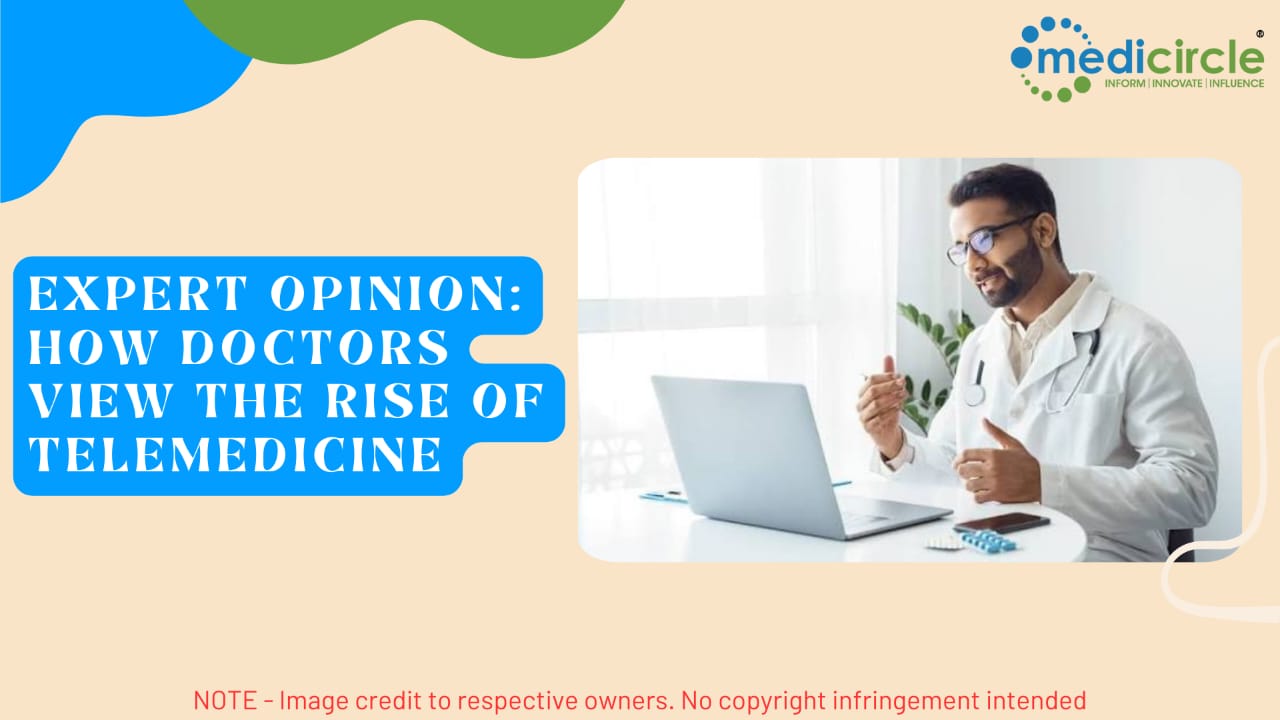
 The rise of telemedicine is not about replacing the old with the new. It is about evolution. It is about adding a new string to the doctor's bow. For the medical community, it represents a challenging yet exciting step forward.




Let us have an honest conversation about a change that has touched all our lives. Remember the last time you video called a relative? Now, imagine that screen connecting you to your doctor. This is not a scene from the future; it is the present reality of healthcare. Telemedicine has stepped out of the shadows and into the spotlight, but what do the very people at its heart; the doctors truly make of it?
Their views are not a simple yes or no. It is a complex mix of optimism, caution and a steadfast commitment to patient care, no matter the medium.
Who embraces the screen?
If you ask a room full of doctors about telemedicine, you will get a different answer from almost every specialist. For some, it is a perfect fit. Doctors who manage long term conditions like heart disease or diabetes, find it incredibly useful. They can check in on their patient's progress, discuss reports and adjust medications without the patient having to brave traffic for a short follow-up.
On the other side are the surgeons. Their work, by its very nature, requires their hands. A physical examination is irreplaceable for diagnosing a painful knee or a mysterious abdominal issue. For them, the digital screen has clear limitations. This divide tells us a simple truth: telemedicine is a powerful tool, but it will never replace the stethoscope's touch or the surgeon's skill. It is about finding the right tool for the job.
Time and reach:
So, what do doctors love about it? The answer often comes down to two things: time and access.
For patients in remote towns and villages, where a specialist might be a day's journey away, a video call can be nothing short of a miracle. It bridges a critical gap, bringing expert advice to their doorstep. This resonates deeply with India's diverse geography, making quality healthcare less of a privilege and more of a right.
Doctors also appreciate the efficiency. Less time spent on travel and waiting rooms means more time for actual consultation. One doctor mentioned how shifting part of his practice online helped him combat burnout. He said it gave him a new way to serve his patients while protecting his own well-being; a win for everyone involved.
Furthermore, with modern health gadgets that track sugar levels or blood pressure, doctors can now keep an eye on health remotely. It allows for quicker advice and faster action, turning a periodic check-up into continuous care.
The hurdles ahead:
Of course, the path is not entirely smooth. Doctors have legitimate concerns. The biggest one is about quality. Can a screen based consultation ever be as good as a face to face meeting? Many physicians believe that for follow-ups and advice. But there is an underlying anxiety about missing something; a subtle sign, a nuance that only an in-person visit can reveal.
Then there is the reality of India's digital divide. A shaky internet connection in a small town can disrupt a crucial conversation. Not everyone has a smartphone or the comfort to use one for a doctor's appointment. For telemedicine to truly work, the infrastructure needs to be as strong as the intention.
Privacy is another worry. Sharing personal health details online naturally raises questions about data security. Doctors are increasingly aware of their responsibility to keep patient information safe in the digital world.
A blended future:
Looking forward, most doctors do not see a world where everything is online. Instead, they envision a smart, blended model. Imagine getting initial advice, routine follow-ups and report discussions online, while saving the in-person visits for when they are absolutely necessary. This hybrid approach offers the best of both worlds: convenience without compromise.
Technology including AI, will likely play a bigger role in managing schedules and initial diagnostics, but the core of medicine; the human connection, the empathy, the trust will always remain in human hands. The goal is to use technology to support this connection, not replace it.
Partner in care:
The rise of telemedicine is not about replacing the old with the new. It is about evolution. It is about adding a new string to the doctor's bow. For the medical community, it represents a challenging yet exciting step forward. It asks them to adapt, to learn and to balance cool technology with warm human care.
The journey is ongoing. There are kinks to iron out and roads to build, both digital and physical. But at its core, telemedicine is simply a new way to fulfill an old promise: to be there for the patient, whenever and wherever they need it. And that is a promise every doctor intends to keep.






.jpeg)










.jpg)
.jpg)
.jpg)
.jpg)
.jpg)
.jpg)


.jpg)