Tuesday, October 27, 2026
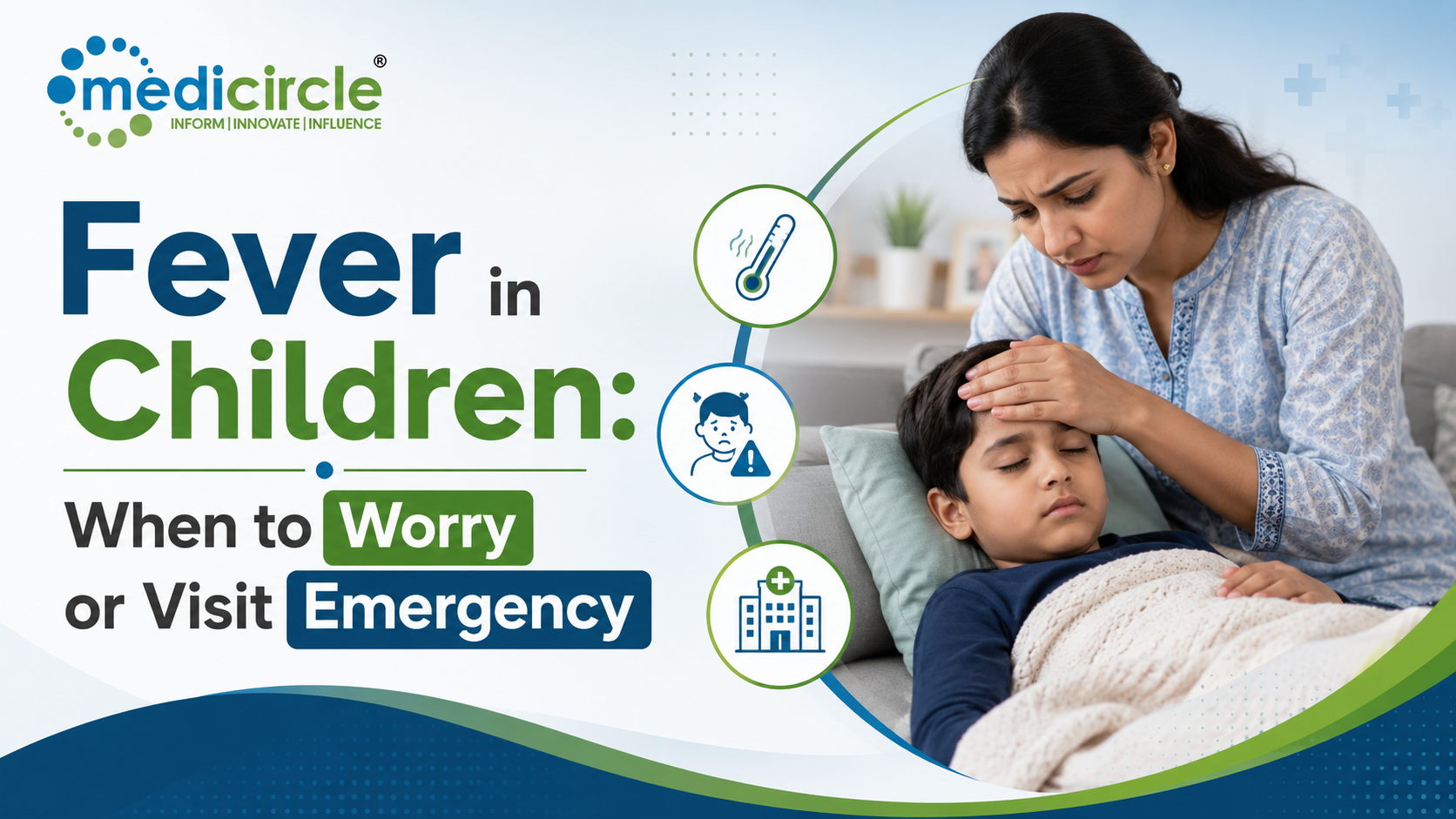
 Caring for a child with a fever requires balancing close monitoring with steady patience. Recognizing emergency signs ensures you seek professional care immediately when it matters most.




High Fever in Children: When to Seek Urgent Care
Finding that a child is burning hot to the touch in the middle of the night is a universally exhausting and frightening moment for any family. In India, where shifting seasons, heavy monsoon rains, and sharp winter drops regularly bring a wave of viral illnesses, dealing with childhood fevers is a routine part of parenting. When a child temperature spikes, it naturally triggers a flood of anxious thoughts. Caregivers often face the difficult dilemma of whether to wait for a morning appointment with their regular pediatrician or pack up and head straight to a hospital emergency room.
Learning what a fever represents can alter how you handle these stressful situations. A fever is not actually an illness or a medical diagnosis on its own. It is an intentional, protective reaction coordinated by the immune system of the body. When the body detects an infection from viruses or bacteria, it turns up its internal thermostat to create a harsh environment where these germs struggle to survive and replicate. An elevated temperature means the internal defenses of the body are actively on duty. The real challenge for parents lies in reading the accompanying physical signs to separate a standard, helpful immune response from a situation that requires immediate medical intervention.
Checking Temperature Accurately
Before letting anxiety take over, it is best to put away the habit of checking for a fever using only the back of your hand. The skin temperature of a child can fluctuate for many reasons, so using a functional pediatric thermometer is the only way to get a dependable reading. Clinically speaking, pediatricians consider a true high fever in children to be a digital reading of 100.4 degrees Fahrenheit or 38 degrees Celsius or higher. Depending on how old your child is, the measurement method matters. Rectal readings offer the highest precision for tiny infants, whereas oral or underarm readings are perfectly adequate and much easier for older children who can sit still.
Feeling a warm forehead can often mislead you, especially if a child has been running around, sitting near a heater, or bundled up tightly. In many Indian homes, the instinctual reaction to a sick child is to wrap them in heavy woolens or thick blankets to protect them from drafts. However, this extra layering traps natural body heat and can cause an artificial spike in skin temperature. For an accurate reading, let the child rest quietly for a few minutes in a comfortably ventilated room wearing just a single layer of light, breathable cotton clothing before using the thermometer.
Safe Home Monitoring
If your child is older than six months and their temperature is only slightly elevated, their behavior is usually a far better indicator of health than the number on the thermometer. When a child is still eager to play, offers smiles, maintains steady eye contact, and continues to drink fluids comfortably, you can generally manage the situation safely at home. The goal of home care is not to aggressively force the thermometer back down to normal, but rather to soothe the physical discomfort of the child so their body can focus its energy on fighting off the bug.
Keep a close eye on fluid intake. Higher body temperatures accelerate fluid loss through respiration and sweat, making hydration your absolute highest priority during a mild fever. Instead of forcing large meals, offer small, frequent amounts of water, coconut water, thin daal water, clear broths, or Oral Rehydration Salts solutions. If you are nursing an infant, continue breastfeeding frequently. To help ease a restless child, you can also perform a room temperature sponge wipe. Dip a clean washcloth in normal tap water, never cold water or ice, and gently wipe down their forehead, neck, underarms, and groin to help disperse excess heat naturally.
When to Visit Clinics
While a standard childhood fever often resolves on its own within a few days, specific guidelines indicate when you need to schedule a formal medical checkup. The most absolute rule in pediatric medicine relies heavily on the age of the child. If an infant under three months old runs a temperature of 100.4 degrees Fahrenheit or higher, they must see a doctor immediately. Young babies do not have fully mature immune systems to contain infections, meaning a minor issue can turn serious very quickly without early medical evaluation.
For toddlers between three months and two years of age, a fever that lingers beyond twenty-four hours without an obvious cause deserves a professional look. If you have an older child whose fever stretches past three consecutive days, a doctor should run basic assessments to rule out common regional infections such as dengue, malaria, typhoid, or a urinary tract infection. Beyond the timeline, look at their general behavior. If your child becomes unusually sluggish, consistently refuses to drink anything for hours, or cannot keep fluids down due to continuous vomiting, a prompt medical examination is necessary to prevent severe dehydration.
Immediate Emergency Red Flags
Some situations bypass a regular clinic visit entirely and require an immediate trip to the nearest hospital emergency department. Respiratory changes are a primary indicator of danger. If you notice your child breathing much faster than usual, flaring their nostrils wide, or if the skin is pulling in sharply under their ribs or at the base of their neck as they strain for air, they are experiencing respiratory distress and require urgent oxygen evaluation.
A dramatic shift in the mental state of your child is another critical warning sign. If they become completely unresponsive, exceedingly drowsy to the point where they cannot be easily awakened, or conversely, hyper irritable and utterly inconsolable, they need immediate emergency care. Other dangerous signs that point to a severe systemic infection include a rigid or stiff neck, a sudden purple or red skin rash that does not briefly fade when you press a clear glass against it, or a bluish tint around the lips and tongue.
Managing Febrile Seizures
Few experiences are more terrifying for a parent than watching their child have a convulsion during a sudden fever spike. These events, known as febrile seizures, can occur in a small percentage of young children, typically between six months and five years of age, when their core temperature climbs too rapidly. During a seizure, a child may lose consciousness, stiffen up, or experience rhythmic twitching and jerking of their arms and legs for a minute or two.
As frightening as these episodes look, simple febrile seizures are almost always brief and do not cause permanent brain damage, learning issues, or long-term harm. If this happens, your main job is to stay calm and protect them from injury. Turn the child gently onto their side on a soft patch of floor to keep their airway open and drool clearing. Move away any hard or sharp furniture nearby. Never try to hold the child down, restrain their movements, or force anything between their teeth. Once the movements stop on their own, which usually takes less than five minutes, keep them comfortable and take them directly to an emergency room for a professional medical evaluation.
Common Home Care Pitfalls
One of the most frequent missteps in home care involves the misuse of fever medications. You should never guess the medication dose of a child or give them a portion of a tablet or syrup prescribed for an older sibling or an adult. Pediatric medication doses are calculated strictly based on the exact weight of the child at the time, not their chronological age. Giving an incorrect amount can lead to accidental toxicity, putting dangerous stress on the developing liver or kidneys of a child.
Another widespread issue is the immediate use of leftover antibiotics stored in the house without a clear pediatric prescription. The vast majority of everyday childhood fevers are caused by viral infections, against which antibiotics are completely useless. Using these medications improperly does nothing to cure a viral bug. Instead, it disrupts the healthy bacteria in the gut of your child and contributes to the dangerous rise of global antibiotic resistance. Additionally, avoid using ice packs, cold water baths, or rubbing alcohol on the skin, as the resulting shivering actually raises the core internal temperature of the body.
Digital Health Guidance
Navigating the unpredictable nature of childhood illnesses has become much more manageable for modern parents thanks to reliable digital healthcare networks. Platforms like Medicircle offer immediate access to verified medical articles and trusted expert consultations, allowing parents to make grounded, rational choices during stressful moments. Having an authoritative source of health information right on your phone means you never have to guess your next steps in isolation.
Through structured digital healthcare platforms, families can quickly analyze symptoms against verified medical guidelines, consult certified pediatric specialists online, and find verified emergency facilities nearby in seconds. This easy access to trustworthy information helps prevent hazardous self-medication habits and cuts through the intense anxiety caused by unverified web searches. Utilizing these modern healthcare tools allows parents to handle childhood fevers with confidence, balance, and clear peace of mind.
Frequently Asked Questions
Can Fever Cause Damage?No, a typical fever brought on by a standard childhood infection will not cause brain injuries. The human brain contains a highly effective internal regulatory system that naturally stops the temperature of the body from rising past 105 or 106 degrees Fahrenheit during an illness. True heat-driven brain damage generally only happens when the external environmental conditions are extreme, such as a child being trapped inside a hot closed car, which causes life-threatening heatstroke rather than an infection-based fever.
Should I Wake Children?If your child is sleeping deeply and peacefully, there is no clinical need to disturb them just to give them a dose of fever syrup. Sleep is an essential component of the recovery process of the immune system. A child who can sleep comfortably is handling the infection well. You should only consider giving medication if they wake up on their own and are visibly fussy, achy, or highly uncomfortable due to the elevated temperature.
Why Does Fever Return?
It is entirely normal for a fever to bounce back once the temporary action of a fever reducer wears off, which usually happens every four to six hours. This occurs because the medication simply dials down the internal thermostat of the body for a brief window. It does not instantly cure the underlying virus or bacteria. The fever will continue to return in cycles until the immune system of your child naturally fights off and clears the core infection.
Conclusion
Looking after a child with a fever requires balancing close monitoring with steady patience. Recognizing that an elevated temperature is a sign of an active, healthy immune system allows caregivers to focus on watching how the child acts and stays hydrated, rather than worrying over minor movements of the thermometer.
Memorizing the crucial emergency signs, like labored breathing, extreme drowsiness, or a fever in a baby under three months old, ensures that you can step in and seek professional care immediately when it matters most. By relying on modern digital healthcare platforms for verified support, parents can handle these stressful childhood milestones with excellent clarity, safety, and reassurance.
Abstract:
Caring for a child with a fever requires balancing close monitoring with steady patience. Recognizing emergency signs ensures you seek professional care immediately when it matters most.





-23-300x250.png)

.jpeg)






.jpg)
.jpg)
.jpg)
.jpg)
.jpg)
.jpg)
.jpg)
.jpg)
.jpg)