 Thursday, October 08, 2026
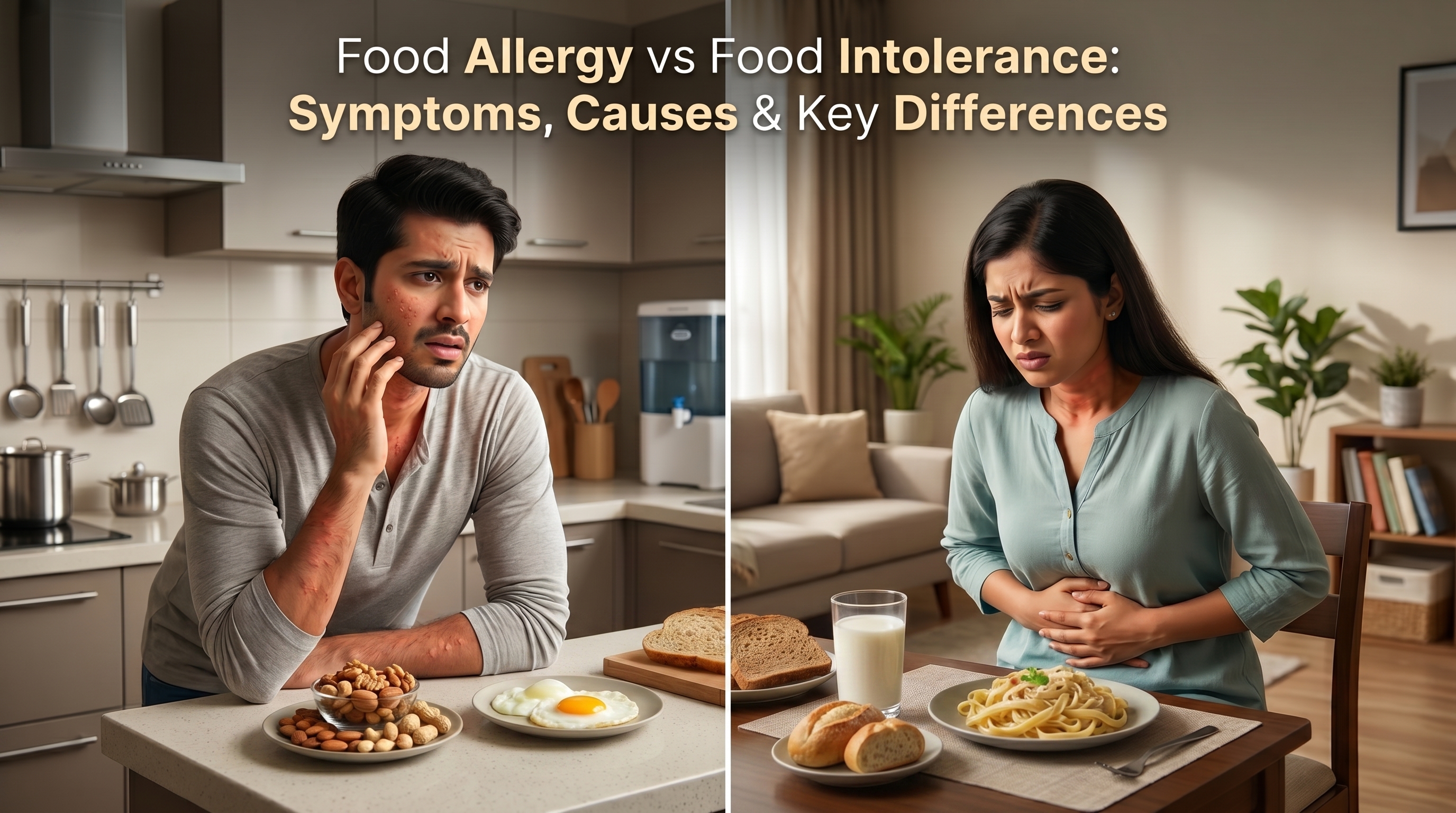
 Food allergy and food intolerance are often confused, yet they affect the body in very different ways. Understanding the difference between food allergy and food intolerance helps in managing symptoms effectively and making safer dietary choices.




Understanding Food Allergy and Food Intolerance
The terms food allergy and food intolerance are often used interchangeably in everyday conversations, but medically, they are not the same. This confusion can lead to improper dietary choices and unnecessary restrictions.
A food allergy involves the immune system. Even a small amount of the trigger food can cause a reaction. In contrast, food intolerance usually involves the digestive system and is often related to difficulty in processing certain foods.
For example, someone with a peanut allergy must completely avoid peanuts, while someone with lactose intolerance may tolerate small amounts of dairy without severe consequences. This real-world difference highlights why understanding the difference between food allergy and food intolerance is essential.
What Is a Food Allergy?
Immune System Response and TriggersA food allergy occurs when the immune system mistakenly identifies a harmless food as a threat. This triggers an immune response, releasing chemicals like histamine.
Common food allergens include:
- Nuts
- Milk
- Eggs
- Shellfish
Even trace amounts can trigger symptoms, making food allergies vs food intolerance a critical distinction.
Symptoms of Food AllergyFood allergy symptoms usually appear quickly, often within minutes to hours.
They may include:
- Skin reactions such as hives or itching
- Swelling of lips, face, or throat
- Difficulty breathing
- Severe reactions like anaphylaxis
For example, a person allergic to peanuts may experience throat tightness within minutes of consumption, requiring immediate medical attention.
What Is Food Intolerance?
Digestive System InvolvementFood intolerance does not involve the immune system. Instead, it occurs when the body lacks the ability to properly digest or process certain foods.
A common example is lactose intolerance versus milk allergy. Lactose intolerance happens due to a deficiency of lactase enzyme, not an immune reaction.
Symptoms of Food IntoleranceSymptoms are usually slower and less severe compared to allergies.
They may include:
- Bloating
- Gas
- Stomach discomfort
- Diarrhea
For instance, someone with dairy intolerance vs dairy allergy may feel bloated after consuming milk but will not experience life-threatening reactions.
Key Differences Between Food Allergy and Food Intolerance
Immune vs Digestive ResponseThe primary difference between allergy and intolerance lies in the body system involved.
- Food allergy → Immune system reaction
- Food intolerance → Digestive system issue
This distinction explains why allergies can be dangerous, while intolerances are generally manageable.
Severity and Risk- Food allergies can be severe and life-threatening
- Food intolerance is uncomfortable but rarely dangerous
For example, milk allergy vs milk intolerance shows this clearly—milk allergy can cause serious reactions, while intolerance mainly causes digestive discomfort.
Common Types of Food Allergies and Intolerances Dairy: Allergy vs Lactose IntoleranceThe confusion between dairy allergy vs lactose intolerance is very common.
- Dairy allergy → immune reaction to milk proteins
- Lactose intolerance → inability to digest lactose sugar
A child with milk allergy must avoid all dairy strictly, while an adult with lactose intolerance may tolerate small amounts.
Gluten Sensitivity vs AllergyAnother common confusion is gluten allergy vs intolerance.
- Gluten allergy (rare) involves immune response
- Gluten intolerance causes digestive discomfort
In real life, someone may feel bloated after eating bread (intolerance) but not have a true allergic reaction.
Food Sensitivity vs Allergy: Where Does It Fit?
Understanding Food SensitivityThe term food sensitivity vs allergy adds another layer of confusion. Sensitivity is often used to describe milder, delayed reactions that are not clearly allergic or intolerant.
For example, someone may feel tired or sluggish after certain foods without clear digestive or immune symptoms.
Testing Differences- Food sensitivity test vs allergy test: Allergy tests are medically validated, while sensitivity tests are less standardized
- Allergy tests detect immune responses
- Sensitivity tests often measure indirect markers
This makes it important to interpret results carefully and not rely solely on non-medical testing.
Diagnosing Food Allergy and Food Intolerance
Medical EvaluationProper diagnosis is essential when distinguishing food allergies vs food intolerance.
Doctors may use:
- Blood tests
- Skin prick tests
- Elimination diets
For example, if someone suspects dairy issues, removing dairy and reintroducing it helps identify whether it is intolerance or allergy.
Why Self-Diagnosis Can Be MisleadingMany people assume they have allergies when they actually have intolerances. This can lead to unnecessary dietary restrictions and nutritional gaps.
Understanding the difference between food sensitivity and food allergy helps avoid such mistakes.
Managing Food Allergies Safely
Strict Avoidance and AwarenessFor food allergies, the primary strategy is complete avoidance.
- Read food labels carefully
- Be cautious while eating out
- Inform others about allergies
In real life, individuals with severe allergies often carry emergency medication.
Emergency PreparednessSevere allergies require readiness to handle unexpected exposure.
This may include:
- Emergency medication
- Awareness of early symptoms
- Immediate medical attention
Managing Food Intolerance Practically
Flexible Dietary AdjustmentsUnlike allergies, food intolerance allows flexibility.
- Small portions may be tolerated
- Food alternatives can help
- Enzyme supplements may assist digestion
For example, lactose-free milk helps those with lactose intolerance versus milk allergy manage symptoms without completely avoiding dairy.
Long-Term Lifestyle ApproachManaging intolerance involves understanding personal limits rather than strict avoidance.
This approach makes daily life easier while maintaining nutritional balance.
Related Conditions and Overlaps
Gut Health and Food IntoleranceDigestive health plays a major role in food intolerance. Conditions like irritable bowel syndrome may overlap with symptoms.
Psychological and Lifestyle FactorsStress and lifestyle can influence how the body reacts to food, sometimes worsening intolerance symptoms.
This overlap explains why food sensitivity vs allergy is not always straightforward.
Conclusion: Making Informed Dietary Choices
Understanding the difference between food allergy and food intolerance helps individuals make safer and more practical dietary decisions. While allergies require strict avoidance due to potential risks, intolerances can often be managed with balanced adjustments.
Recognizing symptoms, seeking proper diagnosis, and adopting the right approach ensures better long-term health without unnecessary restrictions.
FAQs
- What is the main difference between food allergy and food intolerance?
The key difference between food allergy and food intolerance lies in how the body reacts. A food allergy involves the immune system and can cause rapid, severe reactions, even with tiny amounts of the food. Food intolerance, on the other hand, involves the digestive system and usually results in slower, milder symptoms like bloating or discomfort.
- Can food intolerance become a food allergy over time?
Food intolerance does not typically turn into an allergy because they involve different biological mechanisms. However, symptoms can worsen if the underlying digestive issue is not managed. It is important to monitor symptoms and seek medical advice if reactions change in nature or severity.
- How can I tell if I have lactose intolerance or milk allergy?
Understanding lactose intolerance versus milk allergy is essential. Lactose intolerance causes digestive symptoms like gas and bloating, while milk allergy can cause immune reactions such as skin rashes, swelling, or breathing difficulty. Medical testing helps confirm the exact condition.
- Are food allergies more dangerous than food intolerances?
Yes, food allergies are generally more serious. Severe allergic reactions can lead to life-threatening conditions, whereas food intolerance mainly causes discomfort. This is why identifying food allergies vs food intolerance is critical for safety.
- What is the difference between food sensitivity and allergy?
The difference between food sensitivity and food allergy lies in severity and mechanism. Allergies involve immune responses, while sensitivities are usually milder and less clearly defined. Sensitivities may cause delayed symptoms like fatigue or mild discomfort.
- Can I eat small amounts of food if I have intolerance?
In most cases, yes. People with intolerance can often tolerate small quantities without major symptoms. For example, someone with lactose intolerance may handle a small amount of dairy, unlike someone with a milk allergy who must avoid it completely.
- How are food allergies diagnosed?
Food allergies are diagnosed using medical tests such as blood tests, skin prick tests, and supervised food challenges. These tests help confirm immune reactions and distinguish them from food sensitivity vs allergy concerns.
- Do food sensitivity tests work?
Food sensitivity test vs allergy test differs in reliability. Allergy tests are clinically validated, while sensitivity tests may not always provide accurate or consistent results. It is best to interpret them with professional guidance.
- Can children outgrow food allergies or intolerances?
Some children outgrow certain food allergies, especially milk or egg allergies. Intolerances may also improve over time depending on digestive health. Regular monitoring helps track changes and adjust dietary habits accordingly.
- What is the best way to manage both conditions long term?
Long-term management depends on the condition. For allergies, strict avoidance and emergency preparedness are essential. For intolerance, gradual dietary adjustments and understanding personal tolerance levels work best. Knowing the difference between allergy and intolerance allows for a balanced and safe approach to eating.






.jpeg)








.jpg)
.jpg)
.jpg)
.jpg)
.jpg)
.jpg)


.jpg)
.jpg)
.jpg)