Tuesday, October 27, 2026
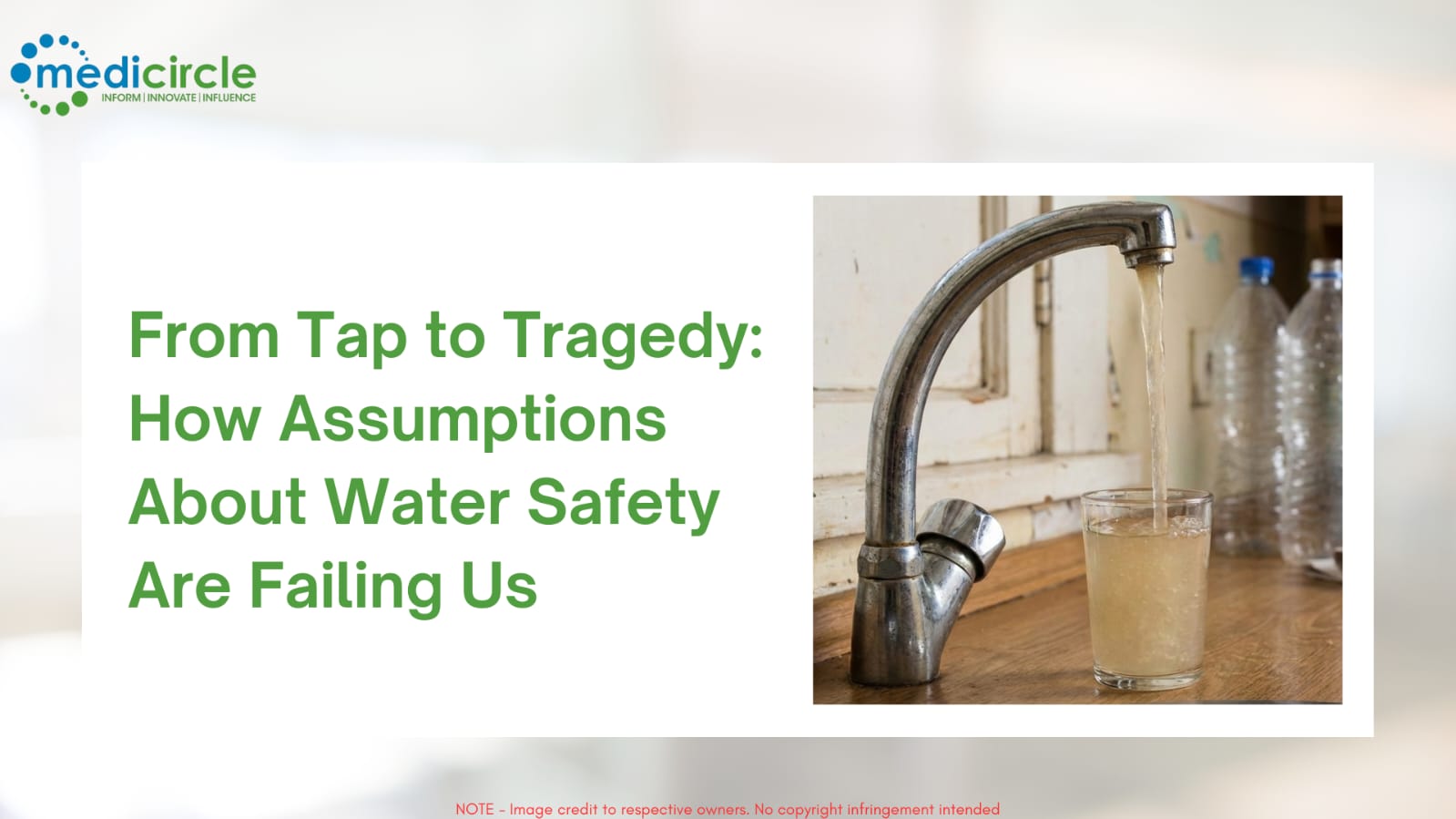
 Amoebae are not merely obscure microbes confined to textbooks and laboratories. They are active participants in ecosystems that directly affect human health.




Water has always symbolised life, purity, and safety. From childhood lessons about hydration to public campaigns promoting clean drinking water, we are taught to trust what flows from our taps and fills our lakes and pools. Yet beneath this sense of security lies a largely unseen biological world that medicine and public health are only beginning to fully confront. Among its most dangerous inhabitants are amoebae, single-celled organisms so small they escape routine notice, yet powerful enough to cause devastating disease and, in rare cases, sudden death.
Amoebae are naturally present in soil and water across the globe. Most coexist peacefully with humans, never causing harm. The problem arises with a few species that have evolved remarkable survival abilities and an alarming capacity to invade the human body. The most notorious among them is Naegleria fowleri, often labelled the “brain-eating amoeba,” a term that sounds sensational yet tragically reflects its outcome. Infection with this organism leads to a condition called primary amoebic meningoencephalitis, a rapidly progressing brain infection with a fatality rate so high that survival is considered exceptional rather than expected.
What makes this threat especially unsettling is the route of infection. It does not spread through drinking contaminated water or person-to-person contact. Instead, the amoeba enters through the nose when people swim, dive, or bathe in contaminated freshwater. From there, it travels along the olfactory nerve straight to the brain. The initial symptoms often resemble common ailments such as fever, headache, nausea, or vomiting. By the time neurological signs appear, the disease has usually advanced beyond effective treatment. This deceptive clinical course means many cases are diagnosed too late, turning an ordinary recreational activity into a medical catastrophe.
Scientists have long known about amoebae, but recent research has shifted attention from rare headline-grabbing infections to a broader, more concerning reality. These organisms are extraordinarily resilient. They can tolerate temperatures that kill many bacteria, survive in chlorinated water, and persist within water distribution systems that are assumed to be safe. In other words, the very infrastructures designed to protect public health may unintentionally provide a refuge for these microbes.
Researchers from leading institutions have highlighted that amoebae are more than isolated pathogens. They function as biological shelters for other disease-causing organisms. Inside an amoeba, bacteria and viruses can hide, multiply, and evade disinfection. This phenomenon, often described as a Trojan horse effect, allows harmful microbes to survive water treatment processes that would normally eliminate them. When these microbes later emerge, they may be more virulent or harder to kill, raising serious concerns about water safety and infection control.
This hidden partnership between amoebae and other pathogens has implications far beyond rare brain infections. It may contribute to the persistence of waterborne diseases and even play a role in the growing problem of antibiotic resistance. When bacteria live inside amoebae, they are shielded from antibiotics and disinfectants, creating an environment where resistant strains can develop and thrive. This adds another layer of complexity to an already strained global health system.
Climate change is expected to intensify this challenge. As global temperatures rise, heat-loving amoebae are expanding into regions where they were previously uncommon. Warmer water temperatures create ideal conditions for their growth in lakes, rivers, and even man-made water systems. Several countries have already reported increased public concern following infections linked to recreational water exposure. These incidents, though still rare, serve as warnings of what may become more frequent if preventive measures are not strengthened.
Urbanisation and ageing infrastructure further compound the risk. Many water distribution systems were designed decades ago, at a time when the microbial ecology of water was poorly understood. Biofilms, sediments, and stagnant zones within pipes can harbour amoebae and the pathogens they protect. Regular chlorination, while effective against many microbes, may not be sufficient to eliminate these resilient organisms. This creates a false sense of safety, where water meets regulatory standards yet still poses hidden risks.
Amoebic infections present a diagnostic challenge. Symptoms often overlap with more common conditions, leading to delays in recognition and treatment. Laboratory confirmation requires specialised tests that are not routinely available in many healthcare settings, particularly in low and middle-income countries. By the time a diagnosis is confirmed, the window for effective intervention may have closed. This highlights the need for faster, more accurate diagnostic tools that can be deployed widely.
Public awareness remains limited, which is both understandable and concerning. People cannot protect themselves from threats they do not know exist. Simple preventive measures, such as avoiding nasal exposure to warm freshwater or using nose clips during swimming, can significantly reduce risk. However, without clear communication from health authorities, these precautions are rarely adopted. The balance between raising awareness and avoiding unnecessary panic is delicate, yet essential.
Experts increasingly argue that amoebae should be viewed through a One Health lens, recognising the interconnectedness of human health, environmental systems, and infrastructure management. These organisms do not respect the boundaries between medicine and ecology. They thrive where environmental conditions, water management practices, and human behaviour intersect. Addressing the problem therefore requires collaboration across disciplines, from microbiology and environmental science to public health policy and urban planning.
Surveillance is a critical first step. Regular monitoring of water sources for amoebae and the pathogens they harbour can provide early warning signs and guide targeted interventions. Advances in molecular biology now make it possible to detect these organisms more accurately than ever before. Integrating such tools into routine water quality assessments could transform how risks are identified and managed.
Water treatment technologies must also evolve. Traditional approaches focused primarily on bacterial contamination may not be sufficient for amoebae. Research into advanced filtration, ultraviolet treatment, and alternative disinfectants offers promising avenues. Investing in these technologies may seem costly, but the price of inaction could be far higher, measured in lives lost and healthcare systems strained by preventable disease.
Healthcare professionals have a role to play as well. Increased training and awareness can help clinicians recognise potential amoebic infections earlier, especially in patients with recent exposure to freshwater. Clear clinical guidelines and access to specialised diagnostic support can improve outcomes, even for rare conditions. At the same time, public health messaging should emphasise that while these infections are serious, they remain uncommon, and informed precautions can dramatically reduce risk.
The story of amoebae challenges many assumptions about safety and control. It reminds us that nature adapts, often faster than our systems are designed to respond. It also highlights the importance of humility in public health, acknowledging that even well-established practices may need revision in the face of new evidence.
Understanding that water safety is an evolving field encourages informed choices and supports demand for better infrastructure and policies. For policymakers, the emergence of amoebae as a public health concern is a call to action, urging investment in research, surveillance, and integrated strategies that protect communities at their source.
As science continues to uncover the complex roles these organisms play in our environment, one thing becomes clear. Amoebae are not merely obscure microbes confined to textbooks and laboratories. They are active participants in ecosystems that directly affect human health. Ignoring them would be a mistake; addressing them thoughtfully could prevent tragedies and strengthen our approach to water safety in a warming world.
In an era where healthcare conversations often focus on advanced technology and personalised medicine, the lesson from amoebae is surprisingly fundamental. Health begins with the basics: clean water, informed communities, and systems designed to adapt. By recognising and responding to the invisible threats within our environment, we move closer to a future where preventable infections truly remain preventable, and trust in something as simple as water can be restored with confidence rather than assumption.




-23-300x250.png)

.jpeg)




.jpg)
.jpg)
.jpg)
.jpg)
.jpg)
.jpg)
.jpg)
.jpg)
.jpg)