Tuesday, October 27, 2026
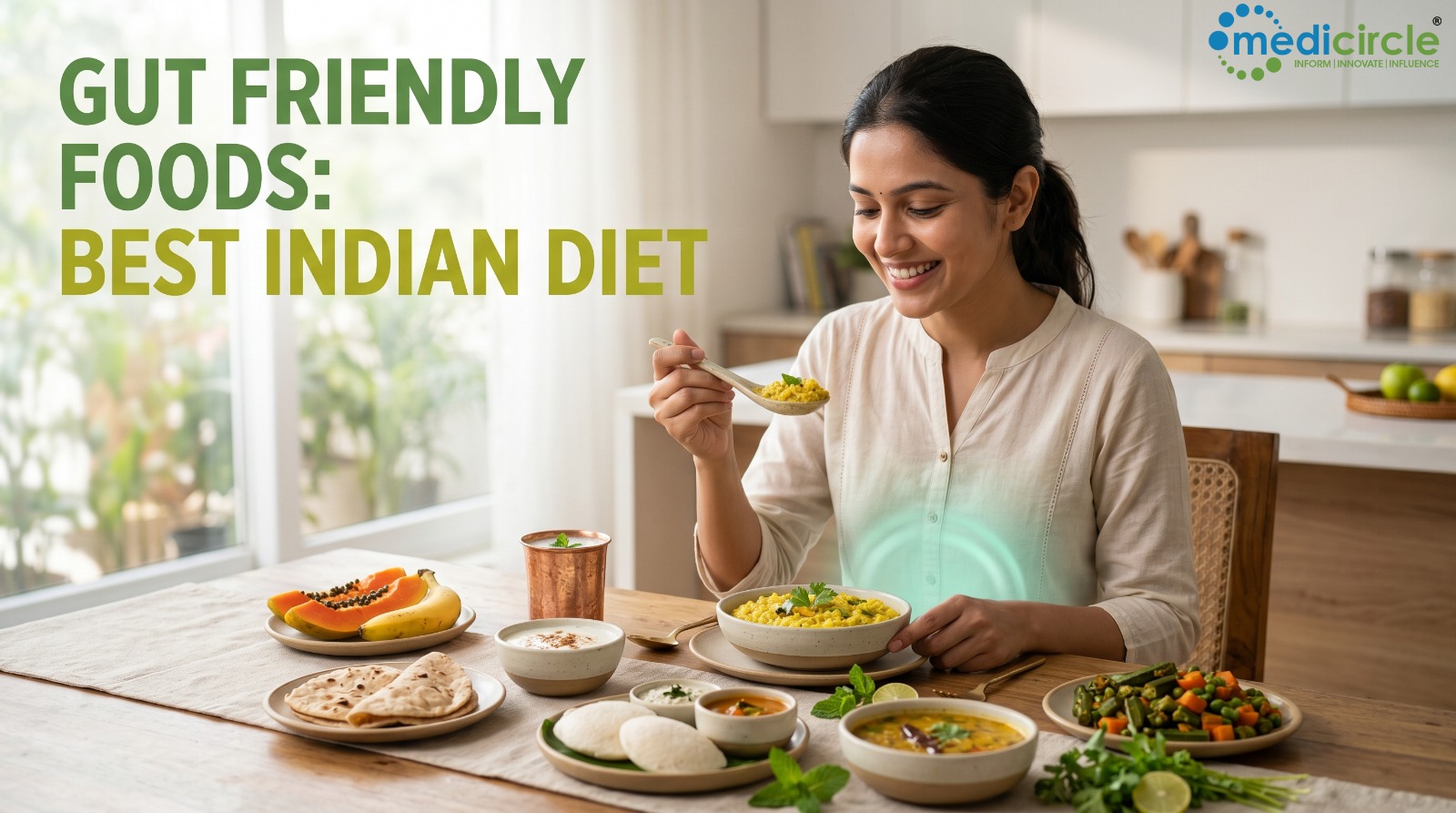
 A consistent intake of gut friendly foods helps improve digestion, immunity, and metabolic balance. Including food rich in good bacteria supports a stable gut environment and long-term digestive wellness.




Gut Friendly Foods: How the Right Diet Builds a Strong Digestive System
Why Gut Health Is Central to Everyday Well-BeingThe digestive system is often reduced to a simple function—breaking down food. In reality, it acts as a regulatory hub influencing immunity, metabolism, and even emotional balance. The ecosystem of microbes inside your gut—commonly referred to as gut friendly bacteria—plays a direct role in how efficiently your body absorbs nutrients and responds to internal stress.
In daily life, the impact of gut health is rarely dramatic but consistently noticeable. For example, someone who eats freshly cooked meals with natural ingredients often reports steady energy and minimal discomfort. In contrast, individuals relying heavily on processed or irregular meals may experience bloating, fatigue, or unpredictable digestion. These differences often reflect how effectively their gut friendly diet supports microbial balance.
What Defines Truly Gut Friendly Foods
Beyond “Healthy” Labels: Functional BenefitsNot all foods labeled healthy contribute equally to digestion. Gut friendly foods are defined by how they interact with your digestive system rather than just their nutrient profile.
They typically:
- Support smooth digestion without heaviness
- Encourage the growth of beneficial microbes
- Provide fiber that sustains microbial activity
- Reduce irritation in the gut lining
For instance, a simple dish like khichdi is often recommended during illness—not because it is nutritionally complex, but because it is easily digestible and reduces digestive strain.
Probiotics vs Prebiotics: The Core Difference
Understanding the difference between these two is essential for building a balanced gut friendly diet.
- Probiotic foods contain live beneficial bacteria
→ Example: curd introduces active cultures into the gut - Prebiotic foods feed existing bacteria
→ Example: oats and bananas nourish microbial growth
A combination of both creates a stable internal environment, making meals more effective over time.
Best Gut Friendly Foods to Include Daily
Gut health is not built through occasional “healthy” choices—it improves through consistency. Including a variety of best gut friendly foods ensures both diversity and stability in your gut microbiome.
Probiotic-Rich Foods That Add Good Bacteria
- Curd (dahi): Regular intake often improves digestion noticeably
- Buttermilk (chaas): Light, hydrating, and supports digestion after meals
- Fermented batters (idli/dosa): Naturally fermented, easier to digest
- Traditional pickles (naturally fermented): Small amounts can support gut flora
These are foundational good bacteria foods that directly introduce beneficial microbes.
Prebiotic Foods That Nourish Gut Bacteria
- Bananas: Especially slightly unripe ones, rich in resistant starch
- Garlic and onions: Naturally promote microbial diversity
- Whole grains (oats, brown rice): Provide sustained nourishment for bacteria
- Lentils and legumes: Combine protein with fiber for gut balance
These are foods high in good bacteria support, helping existing microbes thrive.
Fiber-Rich Foods for Long-Term Digestive Stability
Fiber plays a critical role in maintaining a healthy digestive environment. It acts as fuel for beneficial bacteria and supports regular bowel movement.
Common examples include:
- Leafy greens like spinach and methi
- Fruits such as papaya and apples
- Vegetables like carrots and beans
Regular consumption of these stomach friendly foods strengthens gut function and reduces common digestive discomforts.
Gut Friendly Indian Foods: Everyday Practical Choices
One of the advantages of Indian dietary patterns is that many traditional meals naturally align with gut health principles. Gut friendly Indian foods are not specialized—they are already part of everyday cooking.
Examples from Daily Meals
- Khichdi: A balanced, easy-to-digest combination of rice and lentils
- Dal with roti or rice: Provides protein, fiber, and sustained energy
- Curd rice: Combines probiotics with easily digestible carbohydrates
- Vegetable sabzi with roti: Adds fiber and micronutrients
These meals are not only culturally familiar but also function as effective gut friendly meals without requiring dietary overhauls.
Designing a Sustainable Gut Friendly Diet
A structured approach helps maintain consistency without feeling restrictive.
A Practical Daily Meal Flow
- Morning: Warm water followed by fruit or soaked nuts
- Breakfast: Idli, poha, or oats for light digestion
- Lunch: Dal, roti/rice, sabzi, and curd for balance
- Evening: Roasted snacks or fruits
- Dinner: Khichdi or vegetable-based meals
This structure ensures steady digestion and avoids overwhelming the gut at any point.
Gut Friendly Snacks and Drinks
Instead of relying on packaged options, simple alternatives can support digestion effectively.
- Roasted makhana: Light and easy to digest
- Fresh fruits: Provide enzymes and hydration
- Yogurt bowls: Combine probiotics with nutrients
For beverages:
- Buttermilk: Supports digestion after meals
- Homemade smoothies: Combine fruits with probiotics
- Warm water or herbal drinks: Help reduce bloating
These gut friendly snacks and drinks make it easier to maintain consistency even with a busy schedule.
Real-Life Digestive Challenges and Practical Adjustments
Gut imbalance often develops gradually due to lifestyle patterns rather than one specific cause.
Common Situations
- Irregular meal timing due to work schedules
- Frequent consumption of processed or takeaway food
- Skipping meals followed by overeating
Practical Adjustments
- Maintain consistent meal timing
- Replace processed snacks with gut friendly meals
- Include at least one fermented food daily
These small shifts often produce noticeable improvements within days.
Conditions Linked to Poor Gut Health
Gut health rarely exists in isolation—it often overlaps with other health concerns.
Digestive Discomfort
Symptoms like bloating or acidity are often linked to low intake of food rich in good bacteria.
Immunity Concerns
A large portion of the immune system is associated with the gut, making diet an important factor in resistance to illness.
Energy and Metabolic Balance
Poor nutrient absorption can lead to fatigue, even when calorie intake is sufficient.
Irritable Bowel Patterns
Certain stomach friendly foods like rice, curd, and bananas are often better tolerated and help manage symptoms.
Habits That Sustain Long-Term Gut Health
Sustainable gut health depends more on daily habits than occasional changes.
- Prefer freshly cooked meals over packaged food
- Include fermented foods regularly in small quantities
- Stay hydrated throughout the day
- Avoid long gaps between meals
- Manage stress, as it directly affects digestion
These habits gradually strengthen the environment for gut friendly bacteria to thrive.
Conclusion: Consistency Builds a Healthy Gut
Improving digestion does not require complex diets or strict restrictions. It involves consistently choosing gut friendly foods that support your body naturally.
By combining food rich in good bacteria, fiber-rich ingredients, and balanced meal patterns, you create a system that supports digestion, energy, and overall well-being over time.
FAQs
- What are gut friendly foods and why are they important?
Gut friendly foods are those that support digestion and promote beneficial bacteria. They improve nutrient absorption, reduce bloating, and help maintain a balanced digestive system over time.
- Which foods are rich in good bacteria?
Curd, buttermilk, and fermented dishes are examples of food rich in good bacteria. These foods introduce probiotics that help maintain microbial balance.
- What is a gut friendly diet?
A gut friendly diet includes a mix of probiotic and prebiotic foods along with fiber-rich meals. It focuses on improving digestion rather than restricting food groups.
- Are Indian foods good for gut health?
Yes, many gut friendly Indian foods like khichdi, dal, and curd rice naturally support digestion and are easy to incorporate into daily routines.
- Can gut friendly foods reduce bloating?
Yes, switching to stomach friendly foods and reducing processed intake can gradually reduce bloating and improve digestion.
- How long does it take to improve gut health?
Some improvements may appear within a few days, but long-term benefits require consistent intake of good bacteria foods over weeks or months.
- What are the best snacks for gut health?
Gut friendly snacks include fruits, roasted makhana, yogurt bowls, and nuts, as they are easy to digest and nutrient-rich.
- Which drinks help improve gut health?
Gut friendly drinks like buttermilk and yogurt-based smoothies provide hydration and beneficial bacteria for digestion.
- Can I maintain a gut friendly diet with a busy schedule?
Yes, simple meals like dal, rice, curd, and fruits can form effective gut friendly meals even with limited time.
- What should I avoid for better gut health?
Limiting processed foods, excessive sugar, and irregular eating patterns helps maintain the balance of gut friendly bacteria and supports long-term digestive health.





-23-300x250.png)

.jpeg)






.jpg)
.jpg)
.jpg)
.jpg)
.jpg)
.jpg)
.jpg)
.jpg)
.jpg)