Tuesday, October 27, 2026
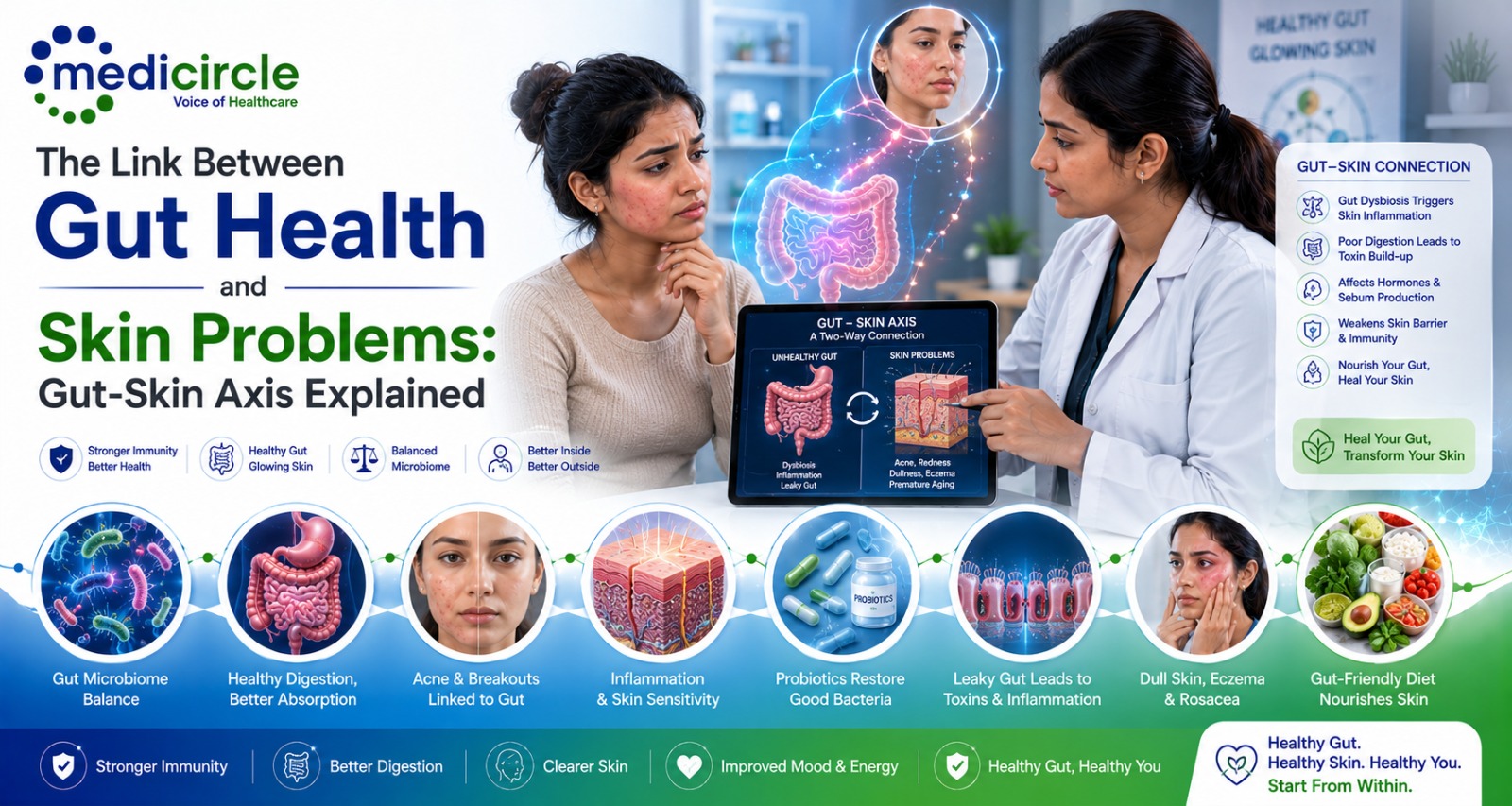
 The relationship between gut health and skin problems has become a major focus in modern health research. Emerging evidence suggests that the digestive system, immune response, inflammation, and skin health are deeply interconnected through the gut-skin axis, influencing conditions like acne, eczema, rosacea, and premature skin aging.





Many people spend years trying different skincare products for acne, redness, irritation, or dullness without realizing that the root cause may extend far beyond the skin itself. Increasing scientific attention is now focused on the relationship between gut health and skin problems, particularly how digestion, inflammation, immunity, and the microbiome influence skin appearance and function.
The skin is not an isolated organ. It constantly reflects what is happening internally. Digestive imbalance, chronic inflammation, poor nutrition absorption, stress, and microbial disruption inside the gut may all contribute to visible skin concerns. This relationship is commonly known as the gut-skin connection or gut-skin axis.
While skincare products may temporarily improve symptoms, long-term skin health often depends on supporting internal physiological balance as well.
What Is the Gut-Skin Connection?
The gut-skin connection refers to the communication network between the digestive system, immune system, nervous system, and skin. The human gut contains trillions of microorganisms collectively known as the gut microbiome. These microbes help regulate digestion, nutrient absorption, immune defense, hormone balance, and inflammation.
When the gut microbiome remains balanced, it supports healthier immune responses and better skin regulation. However, when gut bacteria become disrupted due to stress, poor diet, antibiotics, sleep deprivation, or chronic inflammation, the skin often becomes affected too.
Researchers now associate poor gut health with several inflammatory skin conditions, including:
- Acne
- Rosacea
- Eczema
- Psoriasis
- Sensitive skin
- Premature skin aging
- Chronic skin irritation
This does not mean every skin condition begins in the gut, but digestive health frequently plays a contributing role.
How Poor Gut Health Affects the Skin
The relationship between mental health gut health and skin health is complex because inflammation acts as a shared pathway. When gut balance becomes disrupted, the body may enter a low-grade inflammatory state that eventually affects the skin barrier.
Increased Inflammation Throughout the Body
The gut lining acts as a protective barrier between the digestive tract and bloodstream. Chronic stress, processed foods, alcohol, poor sleep, or excessive sugar intake may weaken this barrier over time.
When this occurs, inflammatory compounds and bacterial fragments may enter circulation more easily. The immune system responds by triggering inflammation, which can appear externally through skin irritation, redness, or acne flare-ups.
Many individuals notice worsening skin symptoms during periods of digestive discomfort, stress, or unhealthy eating patterns because inflammation affects both systems simultaneously.
Nutrient Absorption Problems
Healthy skin depends heavily on nutrients absorbed through digestion. If gut function becomes compromised, the body may struggle to absorb vitamins and minerals efficiently.
Skin health particularly relies on:
- Zinc
- Vitamin A
- Omega-3 fatty acids
- Vitamin D
- B vitamins
- Antioxidants
Digestive imbalance may indirectly contribute to dull skin, slower healing, dryness, or increased breakouts because the skin is not receiving optimal nutritional support.
Hormonal and Immune System Effects
The gut microbiome also influences hormones and immune signaling. Disrupted gut bacteria may affect insulin sensitivity, cortisol levels, and inflammatory hormones linked to acne and other skin concerns.
This helps explain why some individuals experience both digestive symptoms and persistent skin issues at the same time.
Acne and the Gut-Skin Axis
One of the strongest researched links involving gut health and skin problems relates to acne. Acne is often influenced by excess oil production, hormonal changes, inflammation, and bacterial imbalance.
The Role of Diet and Inflammation
Highly processed foods, excess sugar, refined carbohydrates, and low-fiber diets may alter gut bacteria composition while increasing inflammation levels. In some individuals, this may worsen acne severity.
For example, someone consuming large amounts of sugary drinks, fast food, and ultra-processed snacks may experience both digestive bloating and inflammatory acne simultaneously. The issue is not necessarily one food alone, but the overall inflammatory environment created within the body.
Stress, Gut Health, and Acne
Stress significantly affects both digestion and skin health. Chronic stress changes gut bacteria diversity while increasing cortisol production. Elevated stress hormones may increase oil production in the skin and worsen inflammatory breakouts.
This is why acne flare-ups commonly occur during exams, work pressure, emotional stress, or sleep deprivation.
Eczema, Rosacea, and Digestive Imbalance
Conditions such as eczema and rosacea are increasingly associated with immune dysregulation and inflammation connected to the gut.
Eczema and Gut Barrier Function
Eczema involves skin barrier dysfunction and immune hypersensitivity. Some individuals with eczema also experience digestive symptoms such as bloating, food sensitivities, or altered bowel patterns.
Emerging evidence suggests that gut microbiome diversity may influence immune balance in eczema patients. While gut health alone does not “cause” eczema, digestive imbalance may contribute to inflammatory responses that worsen symptoms.
Rosacea and Gut Disorders
Rosacea has also been linked to gastrointestinal conditions in some individuals. Research has explored associations between rosacea and small intestinal bacterial overgrowth (SIBO), inflammatory gut conditions, and altered microbiome composition.
Many rosacea patients notice flare-ups after alcohol, spicy foods, digestive discomfort, or stress, all of which influence both gut activity and inflammatory signaling.
The Gut-Brain-Skin Relationship
The connection between gut health and mental health also influences skin appearance. Stress and emotional overload directly affect digestion through the gut-brain axis.
When stress becomes chronic:
- Digestion slows or becomes irregular
- Gut bacteria diversity may decline
- Inflammation increases
- Sleep quality worsens
- Skin repair becomes less efficient
This explains why emotionally stressful periods often trigger both digestive discomfort and worsening skin symptoms at the same time.
A person experiencing burnout may simultaneously notice bloating, fatigue, acne flare-ups, dull skin, and increased skin sensitivity because stress affects multiple systems together.
Signs Your Skin Problems May Be Linked to Gut Health
Not every skin issue originates from digestion, but certain patterns may suggest a stronger gut-skin relationship.
Common Indicators of a Gut-Skin Imbalance
Some individuals with gut health and skin problems may experience:
- Persistent bloating alongside skin flare-ups
- Acne that worsens after certain foods
- Rosacea combined with digestive discomfort
- Chronic inflammation or skin sensitivity
- Frequent sugar cravings
- Fatigue with inflammatory skin conditions
- Irregular bowel habits and worsening eczema
- Skin dullness during periods of poor digestion
Recognizing these patterns may help guide a more holistic approach toward skin health.
How to Support Gut Health for Better Skin
Improving the gut-skin connection does not involve quick fixes or extreme diets. Skin recovery often reflects gradual improvements in inflammation, digestion, sleep, and lifestyle balance.
Focus on Fiber and Whole Foods
Fiber supports beneficial gut bacteria by acting as nourishment for the microbiome. Diets rich in vegetables, fruits, legumes, seeds, and whole grains generally support better digestive diversity.
People who shift from highly processed diets toward more whole foods often notice improvements not only in digestion but also in skin clarity and energy levels over time.
Include Fermented and Probiotic Foods
Fermented foods may help support microbiome balance in some individuals.
Examples include:
- Yogurt with live cultures
- Kefir
- Kimchi
- Sauerkraut
- Fermented buttermilk
Probiotic-rich foods are not a cure for skin disease, but they may support overall digestive and immune function.
Reduce Chronic Inflammatory Triggers
Consistently poor sleep, excessive alcohol, chronic stress, smoking, and ultra-processed diets may worsen systemic inflammation.
Small long-term adjustments often provide more sustainable benefits than aggressive restrictions.
Support Stress Recovery
Stress management is essential for both digestive and skin health. Activities that calm the nervous system may indirectly improve inflammatory balance.
Helpful approaches include:
- Walking regularly
- Consistent sleep schedules
- Meditation
- Gentle exercise
- Time away from constant digital stimulation
- Relaxation-focused hobbies
Supporting emotional recovery may positively affect both the gut and skin simultaneously.
Why Skincare Alone May Not Be Enough
Topical skincare remains important, but some individuals repeatedly switch products without addressing underlying inflammation, stress, diet quality, or digestive health.
This can create frustration because symptoms temporarily improve but continue recurring.
The skin often reflects internal physiological patterns. Supporting gut balance alongside appropriate skincare may provide more sustainable improvement than focusing only on external treatments.
Conclusion
The relationship between gut health and skin problems highlights how deeply connected the body’s systems truly are. Digestive health influences inflammation, immunity, hormone balance, stress regulation, and nutrient absorption — all of which affect the skin directly or indirectly.
Acne, eczema, rosacea, skin sensitivity, and dullness may sometimes reflect underlying imbalances within the gut microbiome and inflammatory system. While skincare products remain valuable, long-term skin wellness often requires broader lifestyle support involving nutrition, sleep, stress management, and digestive health.
Understanding the gut-skin connection encourages a more comprehensive approach to skin care — one that recognizes healthy skin as a reflection of overall internal health rather than surface appearance alone.
FAQs
What is the gut-skin connection?
The gut-skin connection refers to the relationship between digestive health, the gut microbiome, inflammation, immune activity, and skin health. Poor gut balance may contribute to acne, eczema, rosacea, and other skin concerns.
Can poor gut health cause acne?
Poor gut health may contribute to inflammatory acne in some individuals through immune activation, hormonal changes, and increased inflammation levels.
How does stress affect gut health and skin?
Stress affects digestion, gut bacteria diversity, hormone regulation, and inflammation. This may worsen both digestive symptoms and skin flare-ups simultaneously.
Can probiotics improve skin health?
Probiotics may support gut microbiome balance, which can indirectly benefit inflammation and skin function in some people. Results vary between individuals.
Is eczema connected to gut health?
Some eczema patients also experience digestive imbalance and altered immune responses linked to the gut microbiome. Gut health may influence symptom severity in certain cases.
What foods support the gut-skin axis?
Fiber-rich foods, fermented foods, vegetables, fruits, whole grains, nuts, seeds, and omega-3-rich foods may support healthier gut and skin function.
Can poor digestion cause dull skin?
Digestive problems may affect nutrient absorption and inflammation levels, which can contribute to dullness, dryness, or slower skin repair.
Why do skin problems worsen during stress?
Stress increases cortisol and inflammatory signaling while affecting digestion and sleep quality, all of which may worsen skin symptoms.
Is rosacea linked to digestive issues?
Research has explored connections between rosacea and gastrointestinal imbalance, including altered gut bacteria and inflammatory digestive conditions.
How long does improving gut health take to affect the skin?
Skin improvements vary depending on the individual, underlying conditions, lifestyle changes, and consistency. Gradual improvements may take several weeks or months.





-23-300x250.png)

.jpeg)






.jpg)
.jpg)
.jpg)
.jpg)
.jpg)
.jpg)
.jpg)
.jpg)
.jpg)