Sunday, October 25, 2026
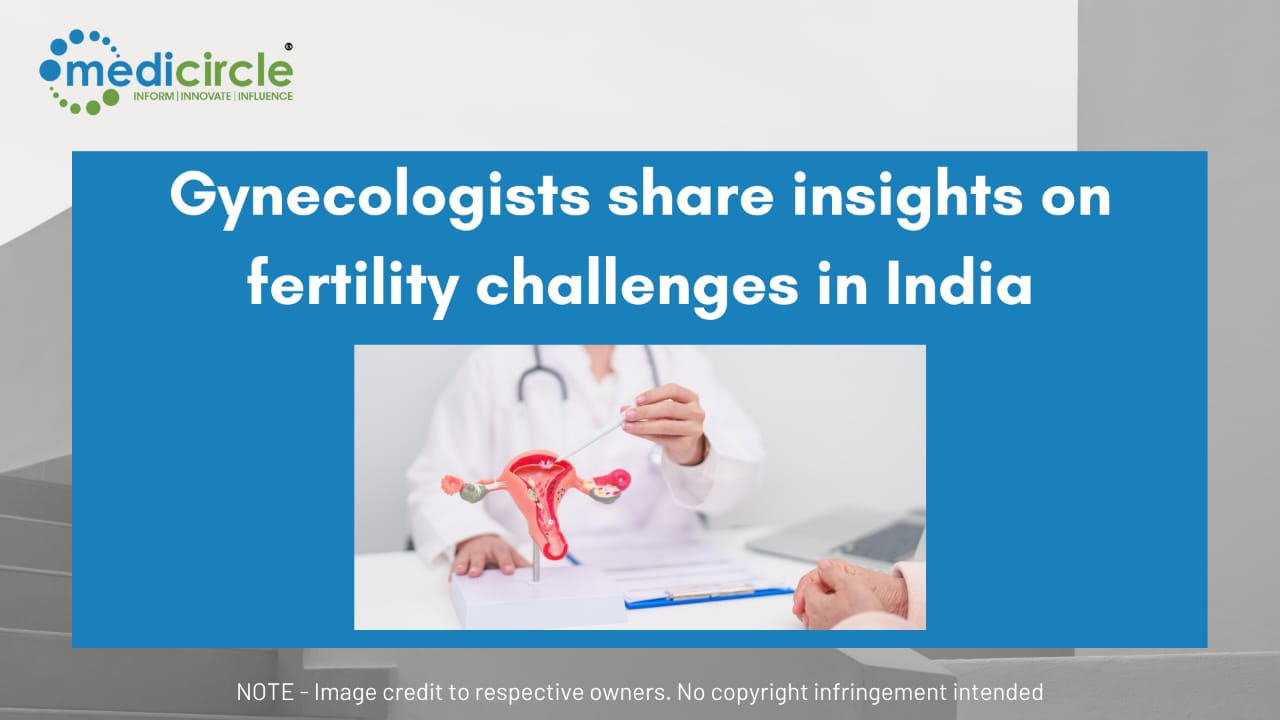
 Fertility in India is shaped by medical, social and lifestyle factors. This article explores declining fertility rates, medical hurdles, social stigma, accessibility issues and the evolving support systems for couples facing challenges.




The path to becoming parents often brings unexpected turns for many couples across India. What many assume will happen naturally sometimes becomes a journey filled with questions, medical consultations and emotional challenges. In clinic after clinic, gynecologists witness the silent struggle of couples balancing hope with reality, tradition with modern constraints and personal dreams with biological limitations.
While India continues to be known for its growing population, there is another story unfolding behind the scenes. The country's fertility rate has now dropped to 1.9 children per woman, falling below the replacement level. Yet numbers alone do not capture the complete picture. Studies indicate that approximately 30% of Indians face difficulties having children when they wish to. This gap between desire and reality forms the core of today's fertility challenges.
Fertility beyond numbers:
India's relationship with fertility is full of contrasts. The population continues to grow due to previous decades of higher birth rates, but the current reality tells a different story. The number of children under five peaked in 2004, while the population of those under 15 reached its highest point in 2009. These shifting numbers reveal a society in transition.
Medical professionals observe significant regional variations across the country. Some developed states report fertility rates as low as 1.4, while others maintain higher numbers. This variation highlights unequal access to reproductive healthcare services. What remains consistent is the growing number of couples seeking help; with women between 25 to 34 years now comprising 60% of gynecology consultations in urban areas.
Medical hurdles:
When conception proves difficult, doctors examine multiple factors. Current understanding suggests that 40 to 50% of infertility cases relate to female factors, while 30 to 40% connect to male factors. The remaining cases involve unexplained infertility or combinations of factors from both partners.
Common medical challenges include:
- PCOS concerns: Affecting between 3.7% to 22.5% of women, this condition has become a leading cause of ovulation issues.
- Endometrial tuberculosis: Responsible for nearly 18% of female infertility cases.
- Male fertility issues: Increasingly common, often associated with tobacco and alcohol use.
- Lifestyle factors: Obesity among women has risen from 10.6% in 1998 to 24.7% in 2014, creating additional reproductive complications.
A respected gynecologist from a Delhi hospital observes, "The patterns we notice strongly suggest that lifestyle changes in recent decades have substantially affected reproductive health. Many patients express surprise when they learn how factors including stress, diet and environmental elements can influence fertility."
Society and fertility:
Fertility challenges extend beyond medical diagnoses into social and economic realms. Doctors regularly see how these external factors create additional complications for couples:
- Financial pressures: Economic uncertainty, job instability and housing concerns frequently appear as contributing factors.
- Relationship dynamics: Many women report difficulties finding compatible partners and establishing fair sharing of domestic duties.
- Work-life balance: Insufficient workplace support including paid parental leave, flexible scheduling and childcare options makes balancing career and family difficult.
- Social stigma: Infertility remains heavily stigmatized, particularly for women, despite nearly equal contribution from male factors.
- Later family planning: More educated professionals are marrying in their late 20s or 30s, then confronting biological limitations.
A Mumbai based gynecologist shares, "Many couples face conflicting expectations, they are encouraged to establish careers before starting families, yet face constant inquiries about when they will have children. By their mid-30s, they are often surprised to learn about the natural fertility decline."
Closing the gap:
Despite growing needs, significant disparities exist in treatment accessibility. Of approximately 27.5 million infertile couples in India, only about 1% seek proper analysis and treatment. Among those, just 65,000 pursue IVF procedures each year.
Medical professionals identify several key barriers:
- Cost concerns: Though IVF expenses in India are 3 to 4 times lower than in the US, treatment remains unaffordable for many, especially without insurance coverage.
- Geographical disparities: Half of all IVF cycles occur in just eight metropolitan cities, limiting options for couples elsewhere.
- Information gaps: Many couples do not recognize potential fertility issues until later stages when treatment becomes more complex.
- Regulatory issues: The absence of clear national guidelines for ART clinics raises quality concerns.
Current fertility treatment:
|
Aspect |
Present Situation |
Existing Hurdles |
|
Cost Factors |
IVF expenses 3 to 4x lower than US. |
Remains unaffordable for most; limited insurance support. |
|
Regional Availability |
50% of procedures in 8 major cities. |
Minimal access in non-urban regions. |
|
Public Awareness |
Growing among urban educated populations. |
Limited knowledge in semi-urban and rural communities. |
|
Guidance Framework |
Gradually developing. |
Absence of uniform national standards. |
Moving forward:
The discussion around fertility in India is gradually evolving. Healthcare providers note increasing openness about reproductive health challenges, particularly among urban communities. Digital health platforms like Medicircle have supported this shift by providing reliable information and creating spaces for sharing experiences.
Medical experts emphasize several important approaches:
- Preventive health measures: Regular examinations and early discussions about reproductive plans.
- Holistic care methods: Addressing physical, emotional and psychological aspects of fertility journeys.
- Education efforts: Enhancing awareness about fertility preservation options and realistic timelines.
- Policy development: Advocating for inclusive healthcare that recognizes fertility treatment as essential care.
A senior gynecologist from Chennai explains, "As healthcare providers, we are working to change the conversation from blame to support. Infertility is not anyone's fault; it is a medical condition requiring compassionate, comprehensive care."
A supportive future:
The fertility challenges confronting Indian couples today resist simple explanations or solutions. They represent a complex interaction of biological, environmental, social and psychological factors that demand equally thoughtful responses. Healthcare professionals across India hope for a future where reproductive health discussions occur without stigma, support becomes available without judgment and the path to parenthood, whatever form it takes receives understanding and empathy.
Perhaps the most valuable perspective medical providers offer is this: fertility challenges affect an estimated 1 in 4 couples during their reproductive years. If you are experiencing difficulties, remember you are not alone and seeking support represents not failure but empowerment. Through open conversation, we can create a society that supports the many ways families come into being.





-23-300x250.png)

.jpeg)


.jpg)
.jpg)
.jpg)
.jpg)
.jpg)
.jpg)
.jpg)
.jpg)
.jpg)