 Thursday, October 08, 2026
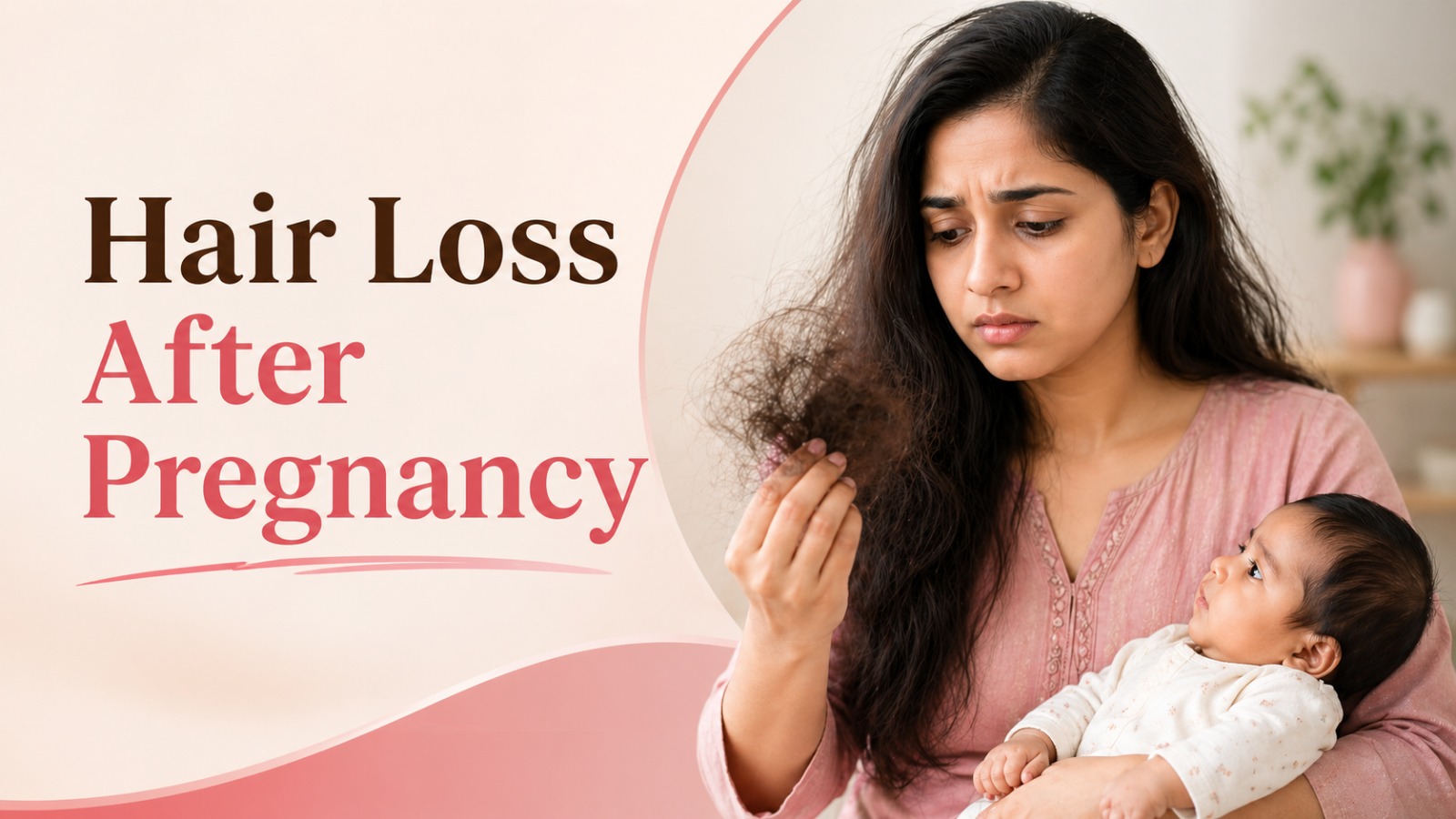
 Understanding hair loss after pregnancy and supporting the body with proper nutrition and care helps improve postpartum hair regrowth naturally. Consistent routines, balanced habits, and mindful choices support long-term recovery and healthier hair growth postpartum.





Many new mothers notice more hair in the brush or shower a few months after delivery. Hair loss after pregnancy can feel alarming, especially when it seems sudden and excessive. This phase, known as postpartum hair loss, is common but often misunderstood. Understanding why it happens, how it progresses, and what truly helps can make this experience easier to manage and less stressful.
Why Hair Loss After Pregnancy Happens in the First Place
During pregnancy, hormone levels, especially estrogen, remain elevated. This extended hormonal phase keeps hair in the growth stage longer than usual. As a result, many women notice thicker, fuller hair while pregnant.
After delivery, these hormone levels drop rapidly. This sudden shift causes many hair strands to move into the shedding phase at the same time. This is why hair falling out after pregnancy often feels intense and noticeable. It is not new hair loss, but delayed shedding catching up all at once.
In real life, this often begins around three to four months postpartum. A mother who previously noticed very little hair fall during pregnancy may suddenly see increased shedding. This is the body returning to its natural cycle.
This process is known as telogen effluvium. It is temporary but can feel overwhelming, especially when combined with sleep changes, nutritional shifts, and stress. Understanding this biological reset helps explain why post pregnancy hair loss is not a permanent condition in most cases.
How Postpartum Hair Loss Behaves in Real-Life Scenarios
Not all women experience postpartum hair loss in the same way. Some notice mild thinning, while others feel a visible reduction in volume.
In practical situations, mothers often notice hair collecting on pillows, in hair ties, or after washing. This pattern may continue for several weeks. The intensity can vary depending on factors like stress, nutrition, and overall health.
A common scenario involves increased shedding around the hairline or temples. This can make the change more noticeable. However, this does not mean permanent damage to hair roots. It is simply the natural cycle resetting.
For some women, postpartum hair regrowth begins quietly while shedding is still ongoing. This overlap can feel confusing. New baby hairs may appear even before shedding fully stops.
Understanding this overlap helps manage expectations. Hair loss and regrowth are not separate phases but part of the same ongoing process.
When Hair Loss After Pregnancy Becomes Severe and Needs Attention
While postpartum hair loss is normal, there are situations where it may feel excessive or prolonged.
Signs That Hair Loss May Be More Than Temporary- Hair shedding continues beyond the usual recovery window
Most postpartum shedding slows down within six to twelve months. If hair loss continues well beyond this period without signs of regrowth, it may indicate underlying factors such as nutritional gaps or hormonal imbalance that require closer attention. - Visible thinning or widening of the scalp parting becomes noticeable
Temporary shedding usually reduces overall volume, but if specific areas show clear thinning, it may suggest that hair regrowth is not keeping pace with shedding. This can affect confidence and may need targeted postpartum hair loss treatment. - Hair texture changes along with increased breakage
If hair feels weaker, more brittle, or breaks easily, it may not be just shedding. This could be linked to nutritional deficiencies or lifestyle stress, affecting the quality of hair regrowth. - No signs of baby hair or regrowth after several months
Early signs of hair growth postpartum usually appear as small, fine strands. Lack of visible regrowth may indicate that the recovery process needs additional support.
In such cases, focusing on postpartum hair loss help through diet, routine, and consistent care becomes important.
The Role of Nutrition in Postpartum Hair Recovery
Hair health is closely linked to nutrition, especially during the postpartum phase. The body is recovering, often while supporting breastfeeding, which increases nutrient demand.
Deficiencies in iron, protein, and essential vitamins can slow down postpartum hair regrowth. This is why many women explore postpartum hair loss vitamins and postpartum hair loss supplements.
In real-world scenarios, mothers who maintain balanced meals often notice faster improvement compared to those with irregular eating patterns. Hydration, protein intake, and micronutrients all contribute to hair strength and regrowth.
It is not about quick fixes but consistent nourishment. Hair reflects internal health, and recovery often follows when the body receives adequate support.
Postpartum Hair Loss Treatment: What Actually Helps
There is no single solution that works instantly. Effective postpartum hair loss treatment is usually a combination of small, consistent practices.
Approaches That Support Recovery Over Time- Gentle hair care reduces unnecessary stress on hair roots
Using mild products, avoiding tight hairstyles, and reducing heat exposure helps prevent additional breakage. This supports the natural regrowth process without interfering with recovery. - Consistent nutrition supports internal repair and growth
Balanced meals combined with postpartum hair vitamins help provide the building blocks needed for stronger hair. This includes proteins, iron, and essential nutrients. - Scalp care improves circulation and supports regrowth
Simple practices like gentle scalp massage can improve blood flow and support healthier follicles, contributing to hair growth postpartum. - Routine consistency matters more than quick solutions
Many expect immediate results, but hair recovery takes time. Consistency in care, rather than frequent changes, provides better outcomes.
These approaches form the foundation of the best postpartum hair loss treatment, focusing on long-term recovery rather than temporary fixes.
Understanding Products and Supplements in the Market
The market offers many options, including postpartum hair loss products and best products for postpartum hair loss. While these can support recovery, they should be chosen carefully.
Some products focus on strengthening existing hair, while others aim to support regrowth. Similarly, postpartum hair loss supplements can help fill nutritional gaps.
However, results vary based on individual conditions. A product that works for one person may not have the same effect for another. This is why understanding the purpose of each option is important before choosing the best postpartum hair loss products.
How to Prevent Postpartum Hair Loss from Worsening
Prevention is not about stopping shedding entirely, but about supporting the body so that hair loss does not feel excessive.
Maintaining regular meals, reducing stress, and ensuring adequate rest all contribute to stability. These lifestyle patterns help prevent postpartum hair loss from becoming more severe.
In practical terms, small habits like avoiding harsh treatments, managing stress, and staying consistent with nutrition can make a noticeable difference over time.
Realistic Expectations: What Recovery Actually Looks Like
Hair recovery after pregnancy is gradual. It does not return overnight. Understanding this helps reduce unnecessary worry.
Most women see improvement within months, with postpartum hair regrowth tips focusing on patience and consistency. New hair may initially appear thin but gradually becomes stronger.
It is also normal for hair texture or density to feel slightly different after recovery. This is part of the natural adjustment process.
Conclusion
Hair loss after pregnancy is a natural and temporary phase for most women. While postpartum hair loss can feel overwhelming, it reflects a biological reset rather than permanent damage.
With the right approach, including proper nutrition, gentle care, and realistic expectations, recovery becomes manageable. Understanding how the process works and supporting the body consistently can lead to steady improvement and healthy postpartum hair regrowth.
Frequently Asked Questions (FAQs)
1. How long does postpartum hair loss usually last in real cases?In most cases, postpartum hair loss begins around 2–4 months after delivery and gradually slows within 6–12 months. The timeline can vary depending on nutrition, stress, and recovery. Following consistent postpartum hair regrowth tips and supporting overall health helps improve the recovery phase and encourages steady hair growth postpartum.
2. Can breastfeeding affect hair loss after pregnancy?Breastfeeding itself does not directly cause hair loss after pregnancy, but it increases the body’s nutritional demand. If nutrients are not replenished, it may slow postpartum hair regrowth. Maintaining balanced meals and using appropriate postpartum hair vitamins can help support recovery.
3. What is the best daily routine for postpartum hair care?A simple routine that includes gentle handling, minimal heat styling, and regular scalp care can support recovery. Consistency is key. Following a routine alongside postpartum hair loss treatment practices and using suitable postpartum hair loss products helps maintain hair strength during shedding phases.
4. Why does hair fall out more around the hairline after pregnancy?Hairline thinning is common because these areas are more sensitive to hormonal changes. This pattern often becomes noticeable during hair falling out after pregnancy. With time and proper care, these areas usually show improvement through gradual postpartum hair regrowth.
5. Are postpartum hair loss supplements really necessary?Not always, but postpartum hair loss supplements can help if there are nutritional gaps. They support overall recovery and improve the quality of regrowth. Combined with a balanced diet, they contribute to better results in hair loss after pregnancy treatment and vitamins.
6. Can stress make postpartum hair loss worse?Yes, stress can slow down recovery and increase shedding. It affects the hair cycle and may delay hair growth postpartum. Managing daily stress and following postpartum hair regrowth tips can help stabilize the process.
7. How can I tell if my hair is regrowing after postpartum shedding?Early signs of postpartum hair regrowth include small, fine strands appearing near the hairline or scalp. These baby hairs may feel soft initially but strengthen over time. This is a positive sign that recovery is progressing.
8. Do natural remedies work for postpartum hair loss?Natural approaches such as proper nutrition, scalp care, and routine consistency can support recovery. While they may not provide instant results, they contribute to long-term improvement when used alongside postpartum hair loss remedy practices and general postpartum hair loss help.
9. What type of products should I look for during postpartum hair loss?Choosing gentle, strengthening products is important. Look for formulations that support scalp health and reduce breakage. Using the best postpartum hair loss products along with mild care routines helps maintain hair quality during recovery.
10. Can postpartum hair loss become permanent in some cases?In most cases, postpartum hair loss is temporary. However, if shedding continues without improvement, it may indicate other factors affecting hair health. Seeking proper postpartum hair loss help and following consistent postpartum hair loss treatment practices can support recovery.






.jpeg)










.jpg)
.jpg)
.jpg)
.jpg)
.jpg)
.jpg)


.jpg)