Tuesday, October 27, 2026
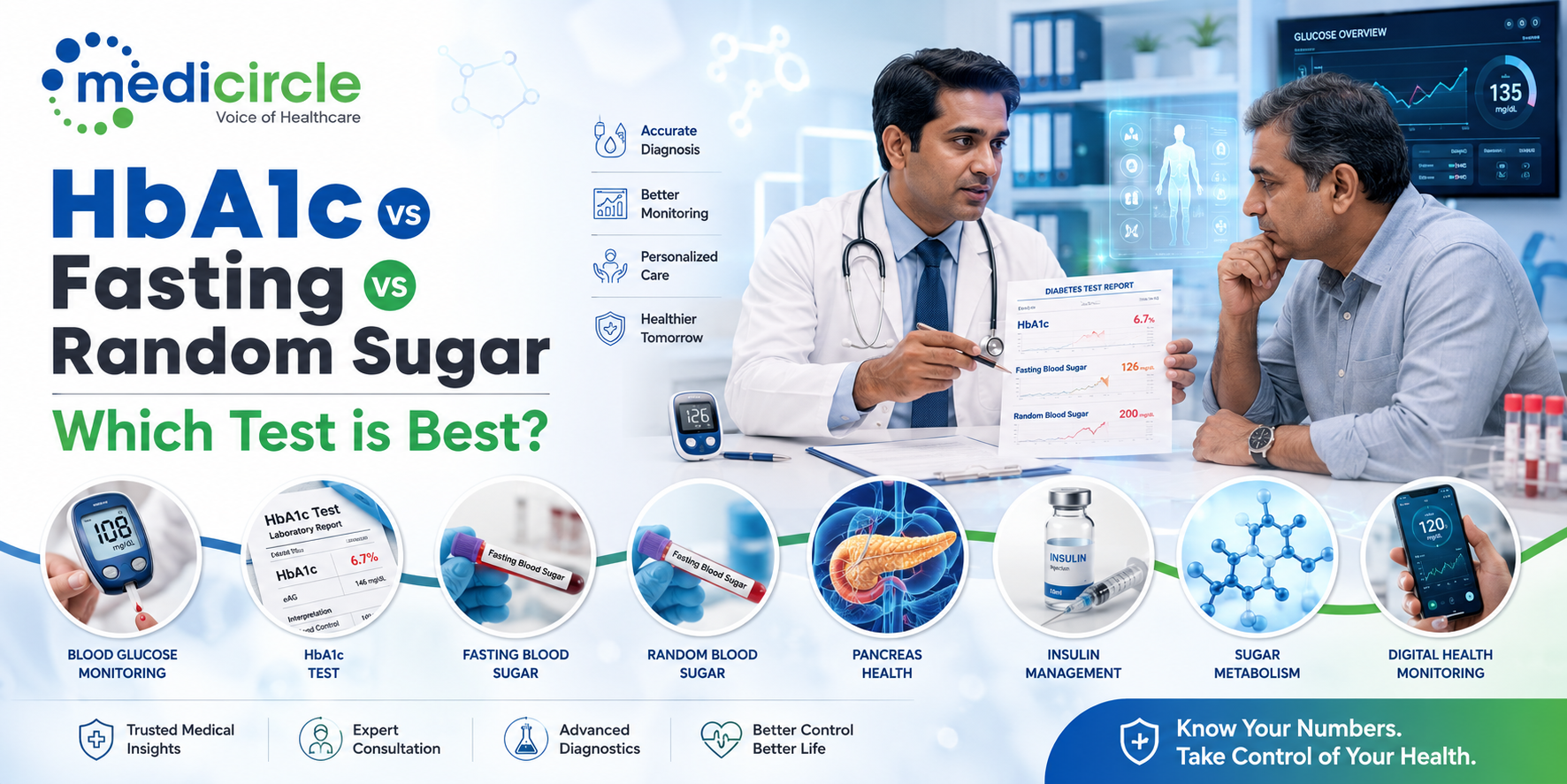
 Fasting and random sugar tests offer real-time snapshots of glucose, while the HbA1c test provides a comprehensive three-month average, creating a complete map for effective metabolic health management.




Walk into any diagnostic laboratory across India, and you will likely see a significant portion of patients waiting for blood sugar evaluations. With urban stressors, modern lifestyle shifts, and a cultural diet naturally rich in carbohydrates, monitoring metabolic health has shifted from an occasional medical checkup to a vital aspect of routine self-care.
However, looking at a diabetes report often brings up a puzzling question. Why do different blood sugar tests show completely contrasting numbers on the exact same day? It is incredibly common to have a perfectly normal morning reading, only to find your three-month average telling a very different story. To clear up this confusion, we need to break down the three primary tools doctors use to track blood glucose. These are Fasting Blood Sugar, Random Blood Sugar, and the Glycated Hemoglobin test. Each of these serves a unique purpose in assessing how your body processes energy.
Fasting Blood Sugar Explained
As the name implies, a fasting blood sugar test evaluates the amount of glucose circulating in your blood when your digestive system is completely at rest. To get an accurate reading, you must avoid all food and beverages except plain water for a solid eight to twelve hours before the blood draw. This is why laboratories prefer collecting these samples early in the morning, before you have your first cup of tea or breakfast.
When you fast overnight, your body relies on internal energy reserves. Your liver steadily releases small amounts of stored glucose into the bloodstream to keep your organs running. The fasting test essentially measures how effectively your basal insulin production can keep this background sugar release under control.
- Normal: Below 100 mg/dL
- Prediabetes: 100 mg/dL to 125 mg/dL
- Diabetes: 126 mg/dL or higher when confirmed on two separate occasions
Because it eliminates the immediate impact of recent meals, the fasting test gives healthcare providers a reliable, standard baseline to track early signs of insulin resistance during annual health checkups.
Random Blood Sugar Insights
In stark contrast to a fasting test, a random blood sugar test requires absolutely no dietary preparation. A healthcare worker can draw your blood or perform a quick finger-prick check at any hour of the day, regardless of what or when you last ate.
Because glucose levels naturally spike after meals and gradually drop as insulin drives energy into your cells, a random reading offers a dynamic, real-time snapshot. For an individual with a highly efficient metabolism, the body rapidly processes glucose, meaning a random reading will rarely cross 140 mg/dL, even after a heavy, carbohydrate-dense meal.
If a random check lands between 140 mg/dL and 199 mg/dL, it typically indicates prediabetes or an impaired ability to clear glucose from the blood. A value of 200 mg/dL or above, especially if you are experiencing classic symptoms like unquenchable thirst, frequent bathroom trips, or sudden fatigue, strongly points toward diabetes. In emergency medical settings, this test is an invaluable tool for doctors who need to instantly rule out severe blood sugar crises in patients experiencing sudden illness.
Understanding the HbA1c Test
While fasting and random tests give us incredibly useful spot-checks, they both suffer from the same limitation. They only show what is happening in your body at that exact fraction of a second. If you had a highly stressful morning, did not sleep well the night before, or recently finished an intense workout, your immediate blood sugar levels might spike temporarily, skewing the results.
The HbA1c test solves this problem by looking at the bigger picture. When glucose enters your bloodstream, a certain percentage of it naturally binds to hemoglobin, the oxygen-carrying protein inside your red blood cells. Once this bond forms, it stays intact for the entire lifespan of that red blood cell, which averages about three months. By analyzing this glycated hemoglobin, lab technicians can calculate a mathematically precise average of your blood sugar levels over the past ninety days.
Best of all, because it looks at a long-term trend, you do not need to fast for an HbA1c test. You cannot trick the results by eating a strictly clean diet for just a day or two before your lab appointment.
Interpreting Your Results
The results of an HbA1c test are delivered as a clean percentage rather than a daily fluid measurement. This standard metric makes it easy to see exactly where your metabolic health stands over the long term.
|
HbA1c Percentage Range |
What It Means For Your Health |
|
Under 5.7% |
Healthy, optimal glucose management |
|
5.7% to 6.4% |
Prediabetes; clear warning sign to modify habits |
|
6.5% or Higher |
Diagnostic benchmark for Diabetes |
Why Results Can Differ
To easily understand how these tests interact, use a quick visual analogy. Checking your random blood sugar is like snapping a quick smartphone selfie because it captures your exact appearance at one fleeting moment. A fasting test is more like a formal, staged portrait taken under highly controlled, specific conditions. The HbA1c test, however, is a comprehensive three-month video documentary that reveals your true lifestyle patterns over time.
This difference explains why your individual lab values can sometimes seem contradictory. For instance, you might feel proud of a perfect morning fasting score simply because you avoided sweets the evening prior. Yet, if your typical weekly routine involves heavy afternoon snacks or minimal physical activity, your HbA1c percentage will quietly track that overall trend and show an elevated score.
Conversely, a single alarming spike on a home glucometer during a random check does not automatically mean you have developed a chronic health issue. Everyday variables like a minor cold, temporary dental pain, or specific medications can cause short-term glucose surges while leaving your long-term three-month average completely untouched. By reviewing these immediate and long-term markers together, your doctor gains a thorough, realistic understanding of your health.
Choosing the Right Test
Because every blood sugar test views your body through a slightly different lens, choosing which one is most important depends entirely on your personal medical journey and immediate health objectives. They are designed to work together as a team rather than compete against one another.
- Routine Screenings: Fasting Sugar and HbA1c Baseline
- Everyday Monitoring: Random or Post-Meal Glucometer Checks
- Treatment Tracking: HbA1c Ninety-Day Trend Analysis
If you are an adult focusing on preventive wellness with no history of metabolic issues, pairing a fasting blood sugar test with an annual HbA1c gives you an ideal baseline. This combination catches insulin issues early enough to reverse them through basic dietary updates. If you are actively managing a diabetes diagnosis, the HbA1c stands out as your ultimate progress report. It provides clear proof of whether your current medication doses, walks, and nutritional changes are actually succeeding over time.
For the day-to-day routine of home monitoring with a personal glucometer, random and post-meal tests are your best tools. They show you exactly how your body responds in real-time to specific regional meals, whether that is a plate of rice, fresh paranthas, or festive sweets. Treating these tests as cooperative pieces of a broader health puzzle keeps you fully informed and in control.
Frequently Asked Questions
Why my morning fasting sugar normal but my HbA1c is high?
This is a frequent point of confusion for many patients. Your morning fasting numbers only reflect your sugar levels after a long night of sleep without food. However, you might be experiencing significant, unmanaged sugar spikes during the afternoon or right after lunch and dinner. Because the fasting test cannot see these daytime surges, your HbA1c average rises even if your mornings look perfect.
Can a single high random blood sugar reading confirm a diabetes diagnosis?
No, an isolated high reading on a random test is not enough to officially diagnose diabetes. Brief, sharp increases in blood sugar can be caused by sudden physical or emotional stress, an underlying infection, physical injury, or temporary medications like steroids. If a random test comes back high, a physician will almost always order a confirmatory fasting or HbA1c test to see if the elevation is a constant pattern.
How often should I get my HbA1c levels checked?
If you are a healthy adult over thirty with no metabolic symptoms, checking your HbA1c once a year as part of a routine checkup is a great habit. If you have been diagnosed with prediabetes or are actively working to manage diabetes, it is generally best to test your HbA1c every three to six months. This timeline allows you and your healthcare provider to see the clear impact of your lifestyle adjustments and fine-tune your care plan.
Managing Your Long-Term Wellness
At the end of the day, numbers on a laboratory page are simply data points meant to empower you, not cause anxiety. Your health is shaped by your overall daily habits, not an isolated blood test result.
Utilize these diagnostic tools as supportive, friendly guides to help you make mindful decisions about nutrition, consistent physical movement, and stress reduction. By staying proactive with your screenings and reviewing these markers with a trusted primary care physician, you can take practical, informed ownership of your physical well-being and long-term vitality.





-23-300x250.png)

.jpeg)





.jpg)
.jpg)
.jpg)
.jpg)
.jpg)
.jpg)
.jpg)
.jpg)
.jpg)